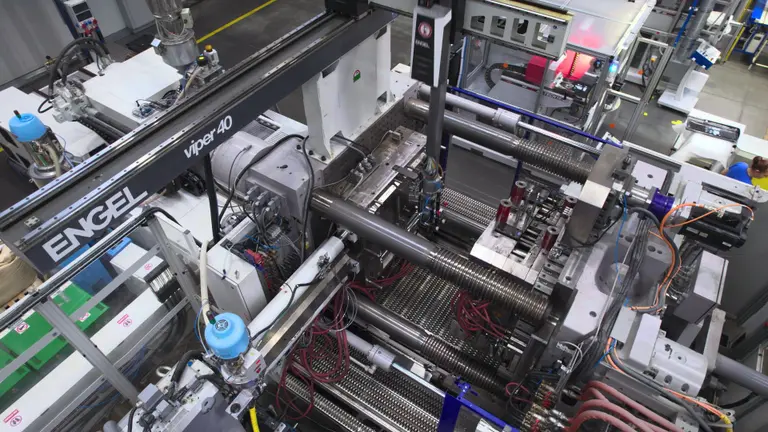
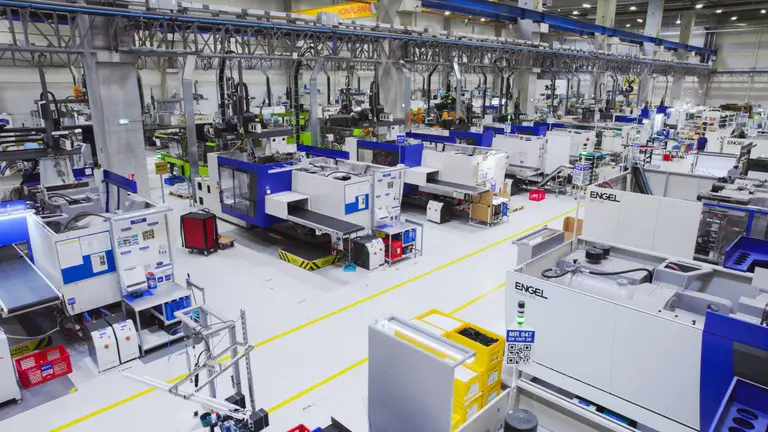
In the dynamic landscape of manufacturing, where innovation is the key to staying ahead, we understand the critical importance of investing in cutting-edge plastic injection molding technologies.
Category: Blogs
Rosti Group – Your full turn-key Plastic Injection Molding Partner
At Rosti, we pride ourselves on being large enough to cope with complex injection molding projects, yet small enough to care, supporting you from concept to reality.
Rosti Group Global Partnership Model – benefits of Customer Collaboration
In the fast-paced landscape of the global plastic injection molding industry, the importance of collaboration and knowledge-sharing across Rosti Group sites has never been more important than in the current global economy.
3-D Printing Creates Efficiencies in Injection Molding
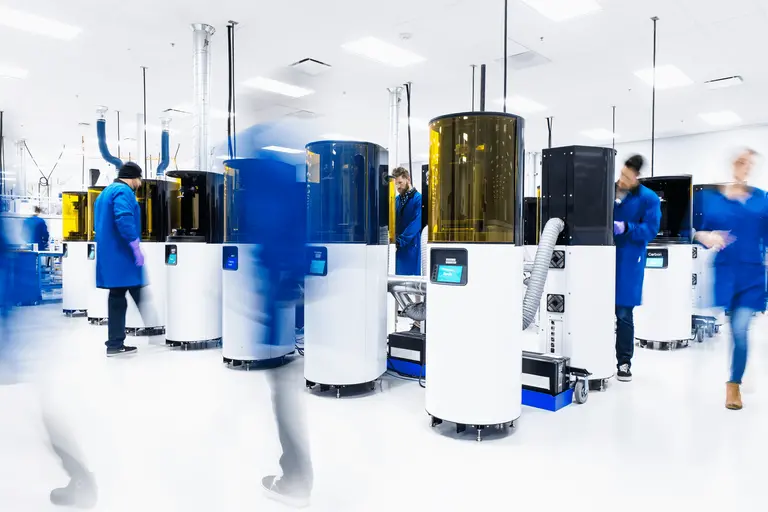
In the world of plastics manufacturing, there has been a definitive line between 3D printed parts and plastic injection molded parts. However, in recent years, that line has blurred as more injection molders not only see the value in 3D printing for prototyping parts or low-volume runs but also to help create efficiencies in their own manufacturing processes. While using 3D printing to improve injection molding outcomes is not always common practice, PCI’s forward-thinking engineers have identified areas where additive molding plays a significant role in enhancing machine functionality.
4 Reasons to Consider Metal to Plastic Conversion
Since the introduction of engineering-grade resins and plastic materials in the 1950s, many parts previously fabricated from metal have been replaced by injection molded parts. On average, companies report an overall cost savings of 25-50% by converting to plastic parts, yet some manufacturers have resisted making the change.
Design Is Top Consideration To Reduce Plastics Manufacturing Costs
Plastics manufacturing is a highly competitive, global industry in which businesses are presented with both time and cost challenges. Avoiding delays and reducing risks for costly design changes can mean that your product gets to market faster than your competitors. The sharp line that was once drawn between development and production is now, oftentimes, blurred with manufacturers leaning on industry design experts to become involved in the design for manufacturability process. In fact, manufacturers rank design as the top factor in reducing overall manufacturing costs.
5 Ways Lights-Out Manufacturing Has Transformed Injection Molding
The tendency for North American manufacturers of plastic parts to outsource tasks to South America or overseas is changing back toward reshoring – or that of keeping production processes in house and within the United States. After decades of offshoring for economic purposes, wages in emerging economies have started to rise substantially.
Key Qualities of High-Heat and Exotic Resins
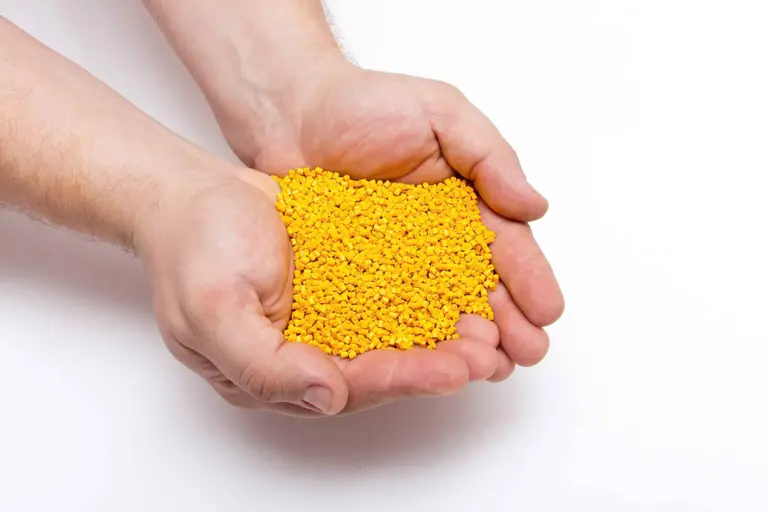
Resin materials used in plastic injection molding have evolved significantly in recent years as advancements to combining plastics with fillers and reinforcement materials has become more common in many industrial applications to improve part performance and strength. In the past, plastics were not known to be highly heat resistant materials. It is becoming more known that there are now many high performance resins that can be put to use at temperatures up to 572 degrees Fahrenheit – depending on the part / product’s environmental factors and exposure to chemicals. High heat and exotic resins are particularly good metal replacement options because they provide incredible benefits in the areas of weight savings, chemical resistance, and sliding friction characteristics. Additionally, these great attributes can be maintained at high permanent operating temperatures.
Benefits of Dimensional Testing in Plastic Injection Molding
A coordinate measuring machine (CMM) is a device that measures the physical geometrical characteristics of an object, and in our manufacturing application – plastic parts. The device is often used in manufacturing processes to qualify or test a part or against the design intent.
Preparing for Injection Molding Resin Selection
Manufacturers use a wide variety of plastics to mold parts incorporated into products and have increasingly begun to replace other materials like bronze, stainless steel, aluminum, and ceramics. Some of the most popular reasons for using or switching to plastic include longer overall lifespan of the part, reduced wear on other components of a product, faster production line speeds, corrosion resistance and weight reduction. In addition, companies report an average 25-50 percent cost savings when parts are converted to plastic which oftentimes exhibit superior performance attributes.