4 Reasons to Consider Converting Metal to Plastic
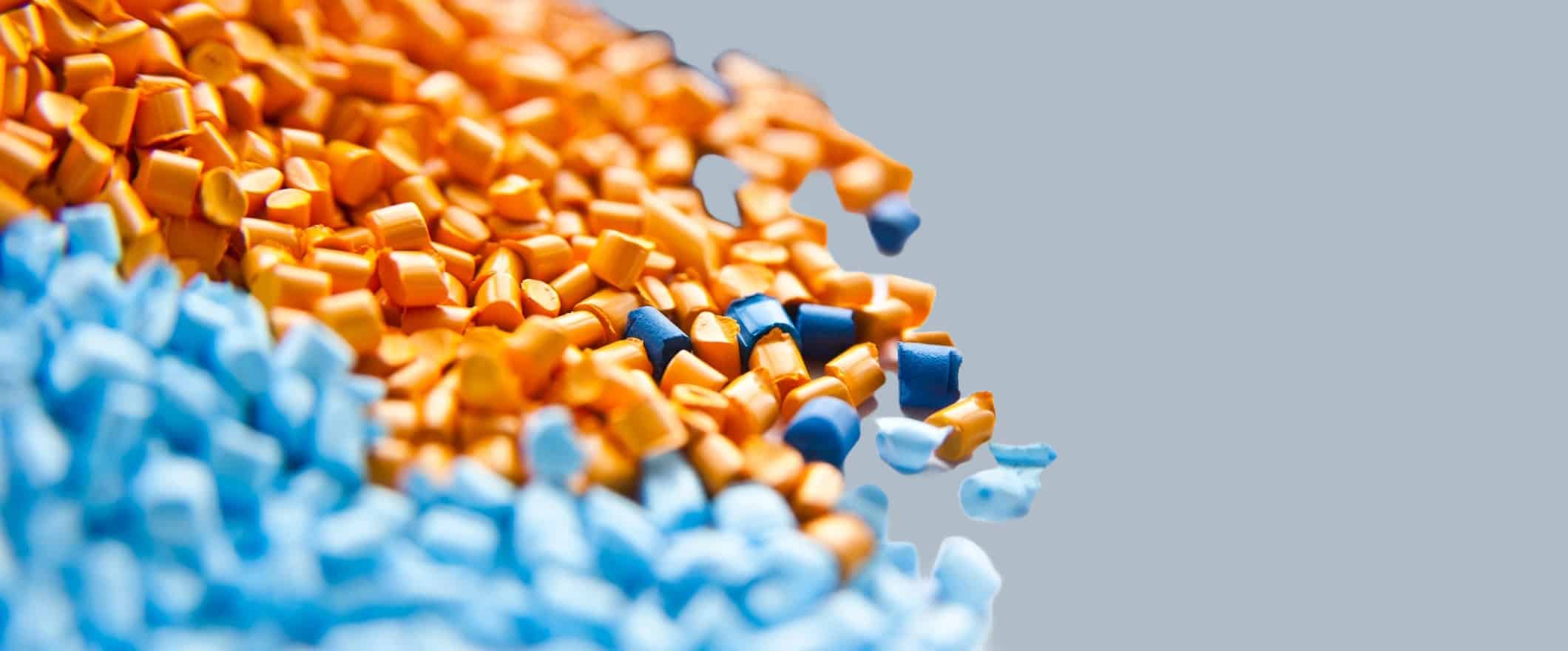
Since engineering-grade resins and plastic materials were introduced in the 1950s, many parts that used to be made from metal have been replaced with injection molded parts. On average, companies report an overall cost savings of 25–50% when switching to plastic parts, yet some manufacturers have been reluctant to make the change.
When product manufacturers haven’t considered switching from metal to plastic, it’s likely because they aren’t aware of the complex qualities plastics can offer. Others simply prefer the predictability of using the same material from the part’s original design, rather than looking into plastic options that could match or surpass the performance of the current material.
As a production material, plastic blends can be tailored to meet specific environmental, structural, and operational requirements. The right design and material choice can result in a plastic component that outperforms metal. Plus, by adding reinforcing features like ribs and gussets that can be molded directly into the plastic, you boost strength and durability and also reduce production time.
When additives are blended right into the plastic, they can enhance certain features and create a highly customized material. These additives boost plastic performance in areas such as impact and tensile strength, friction, scratch and flame resistance. Additives make plastics lighter, safer for use in food distribution and medical supplies, and more environmentally friendly.
Whether you’re now thinking about making the switch, or uncertainty in the metals market has you looking for better options, there are plenty of benefits to converting your metal parts to plastic. Here are four things to keep in mind:
Better Design
It’s easy to see why engineers love the flexibility that comes with using plastic injection molded parts instead of metal ones. Design features include:
- When the latest software and technology are used, injection molders can test a variety of materials during the design phase—allowing for predictive design tweaks and better performance results
- The ability to integrate and accommodate complex shapes and geometries as well as consolidate parts
- Weight reduction and improved structural limits
- Improved aesthetics—since plastics come in a wide variety of colors and offer surface finishes and textures more appealing than metals, plastic injection molded parts tend to outshine metal ones. Plus, plastic parts allow for enhanced decoration or labeling inside the mold, further boosting their visual appeal
Improved Performance
Compared to metal parts, plastic parts are usually up to 50% lighter and offer performance features that metal simply can’t match, including:
- Reduced size, weight, and thickness—especially important when manufacturing small appliances, engines, medical devices, and technology, where tight space matters. Injection molded parts can be made smaller, thinner, and lighter than metal parts, which are big advantages
- Increased strength and durability—today’s engineered plastics can withstand significant stress, and the plastic parts made from them can hold tight tolerances, making them just as robust and reliable as metal parts
- Resistance to impact, corrosion, and heat—with over 25,000 engineered plastic materials available, including new blends and hybrid compositions, injection molded parts can be designed to meet very specific performance needs. Some blends are perfect for applications requiring impact absorption and resistance to corrosive elements and heat
Faster Manufacturing
From a manufacturing perspective, plastic injection molding offers a faster and more consistent process compared to metal parts fabrication—including uniform production, improved customer satisfaction, and fewer warranty claims.
Plastic injection molding also lets you combine multiple components in a single mold design, instead of making several metal parts and assembling them together. That means joints that would normally have to be welded can be made seamless in an injection-molded part—often without a parting line. Additional benefits include:
- No maintenance needed – Unlike metal parts, plastic components don’t need coating or painting for protection, making them virtually maintenance free
- Longer tooling life – While metal and plastic tooling costs are very similar, metals are often slower to manufacture. Another advantage: the tooling for plastic parts typically lasts ten times longer than cast aluminum tooling
- Easier changes – It’s nearly impossible to switch to a less expensive metal without a full redesign. However, the cost of resins usually doesn’t affect the mold, so you get more flexibility with material quality and cost
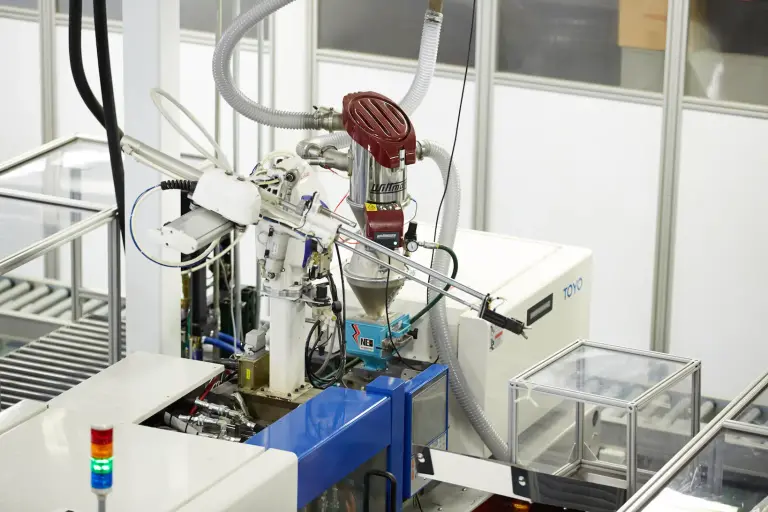
- Plastic components can be produced much faster than metal ones by using cyclical, highly repeatable processes with fewer overall steps. Unlike metal production, plastic part production is often automated, mechanized, and requires little supervision
- Plastic injection molds can eliminate the need for secondary assembly steps by producing complex, geometrically varied components in one step. Metal post-production often needs welding different pieces together, adhering extra parts like bearings, and applying protective coatings. Plastic injection molds turn out single, ready-to-use parts, accommodating multi-piece designs, integrating support pieces, and adding protective coatings directly to the material.
Reduced Production Time and Cost
Cutting material costs is just the beginning of saving money when you convert from metal to plastic. Many other factors contribute to major reductions in total manufacturing costs for plastics, including:
- Material market stability – Not only do metal prices fluctuate in the marketplace, but proposed tariffs and economic uncertainty often drive prices up. However, the cost of plastics and resins used for injection molded parts generally remains stable
- Energy savings – With lower melt temperatures and fewer machining steps, injection molding uses less energy than producing metal parts
- Reduced scrap and waste – The injection molding process by nature cuts down on the scrap and waste that typically come with metal fabrication
- Lower shipping and operating costs – Because plastic parts are almost always much lighter and smaller than metal ones, the costs for shipping finished parts to the customer or manufacturer, as well as other operating expenses, are reduced. Depending on the product, transportation can even be considered during the component design phase by creating products that nest or stack together to optimize space during transport.
When considering a metal-to-plastic conversion, it’s important to contact an experienced injection molder early in the design process. This allows them to recommend changes to your part design that will improve manufacturability and create the best product for your specific application. PCI has extensive experience helping customers with metal-to-plastic conversions and would welcome the chance to work with you to help reduce your overall costs.
If you have questions about metal conversion or want to take steps to realize the benefits of injection molding for your specific application, contact us.