
Preparing for Injection Molding Resin Selection

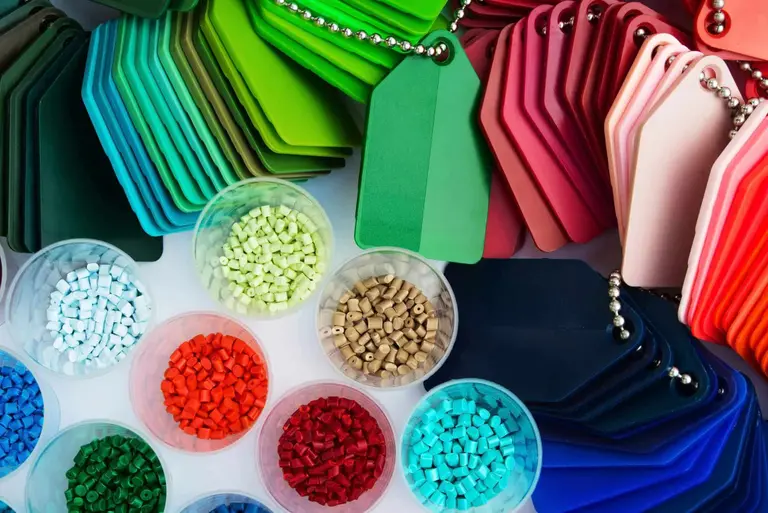
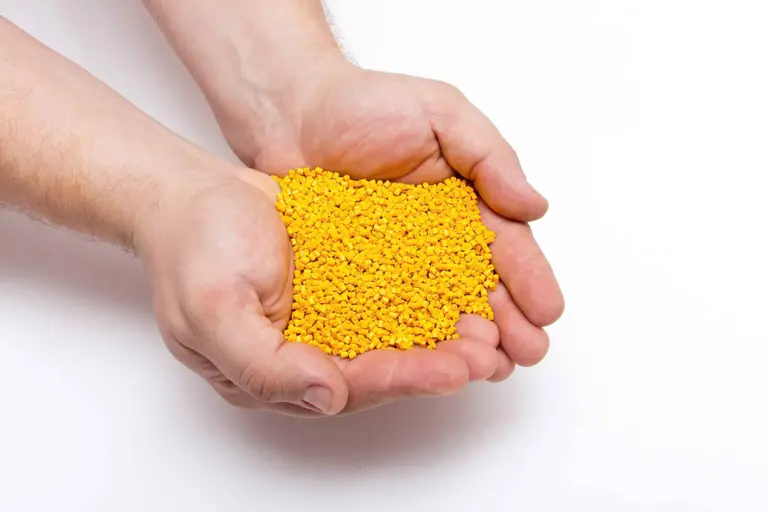
Manufacturers use a wide variety of plastics to mold parts incorporated into products and have increasingly begun to replace other materials like bronze, stainless steel, aluminum, and ceramics. Some of the most popular reasons for using or switching to plastic include longer overall lifespan of the part, reduced wear on other components of a product, faster production line speeds, corrosion resistance and weight reduction. In addition, companies report an average 25-50 percent cost savings when parts are converted to plastic which oftentimes exhibit superior performance attributes.

Advantages of Scientific Molding Practices

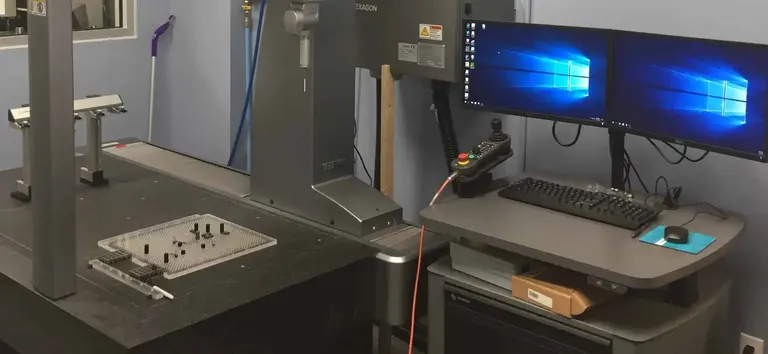
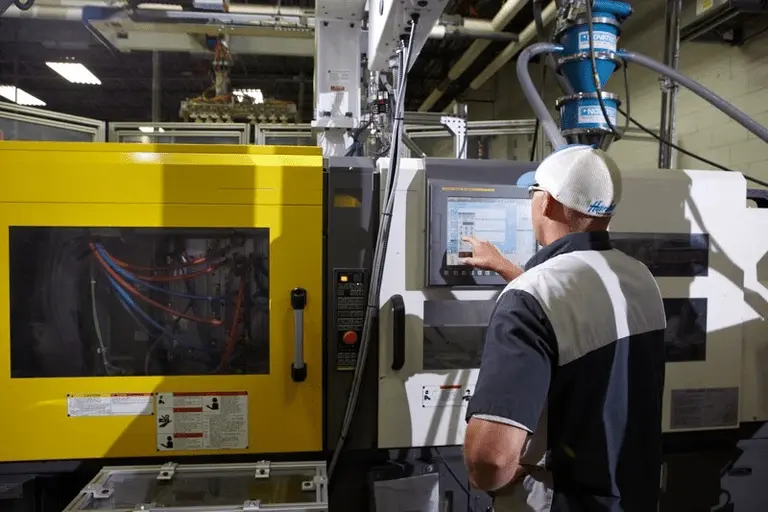
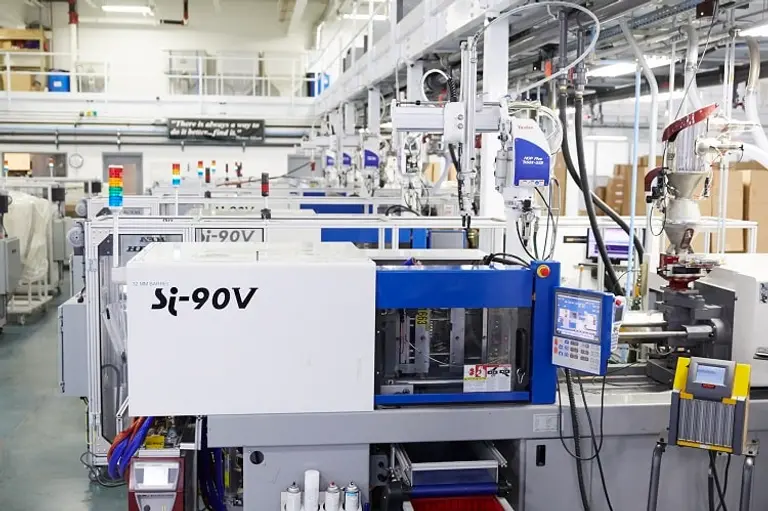
Scientific molding practices are essential to achieving outcomes that deliver faster cycles, higher volumes, and a more efficient injection molding process. Implementing sound scientific principles can help with determining optimal molding conditions. Equipment and software that help monitor real-time production processes guide the scientific molding stages and provide a critical advantage. In addition, quality control issues can be avoided by having automated containment control and traceability for specific applications. From collecting data to machine maintenance, process development to resin characteristics, and much more – scientific molding helps identify efficiencies which result in greater value and better parts for customers.

Plastic Residence Time: Calculation and Process

From the specific plastic you are using, your mold, temperature, material density, and the machine itself and its individual parts, there are a number of variables that can make or break the injection molding process. One thing is certain: Processing too long or too short outside of the recommended plastic residence time can cause significant quality issues. Worse yet, not all resulting problems are immediately visible – inconsistency in melt quality, color variation, or weakened parts.

PCI Recognized with 2019 MAPP Innovation Award

Future success for many injection molders is dependant on the company’s ability to find efficiencies and innovative ways to improve business processes. Even small improvements can add up to big increases in productivity. Each year, the Manufacturers Association for Plastics Processors (MAPP) celebrates the innovative practices of a select handful of companies that touch on all areas of plastics manufacturing.