
Rosti: Bringing Excellent Services for Sustainable Growth of the Automotive Industry

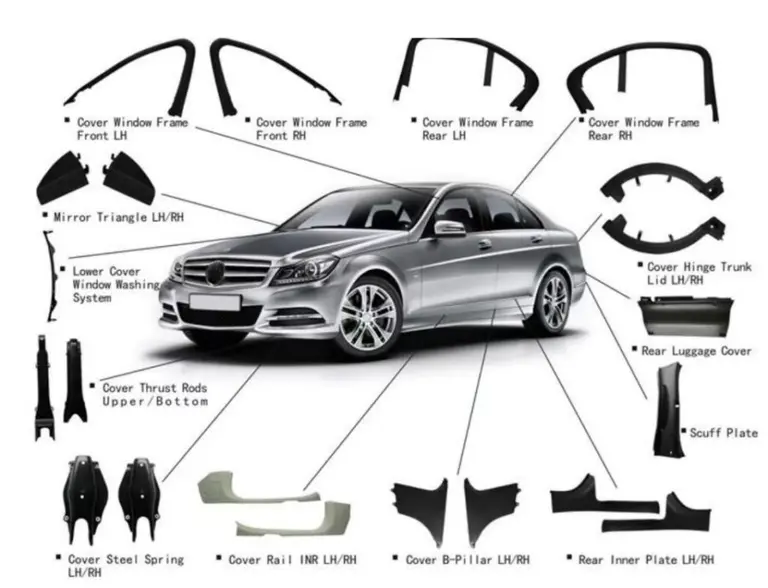
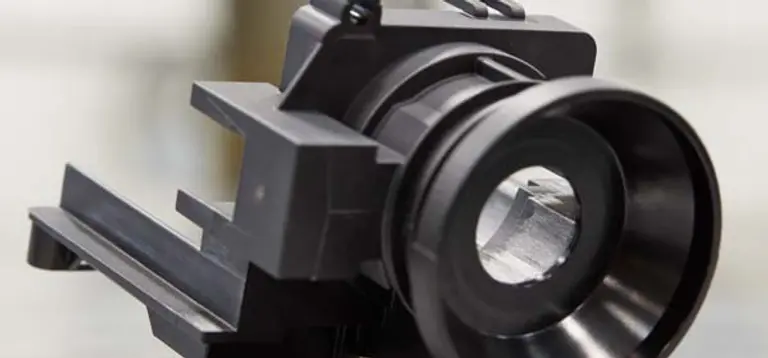
Plastics play an important role in automotive manufacturing. With the gradual popularization of energy conservation and emission reduction in automobiles, the lightweighting trend of replacing metal with plastic in automotive parts has become one of the most effective measures to reduce automotive emissions and improve combustion efficiency. In this aspect, injection moulding technology can also realise the integrated manufacturing of automotive parts, thereby improving the production efficiency in the automotive sector.

4 Reasons to Consider Metal to Plastic Conversion

Since the introduction of engineering-grade resins and plastic materials in the 1950s, many parts previously fabricated from metal have been replaced by injection molded parts. On average, companies report an overall cost savings of 25-50% by converting to plastic parts, yet some manufacturers have resisted making the change.

Key Qualities of High-Heat and Exotic Resins

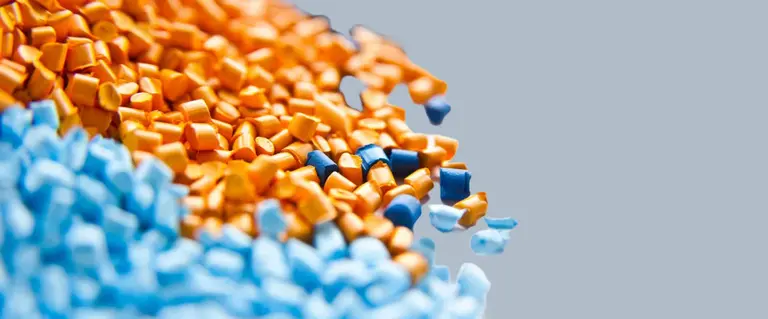
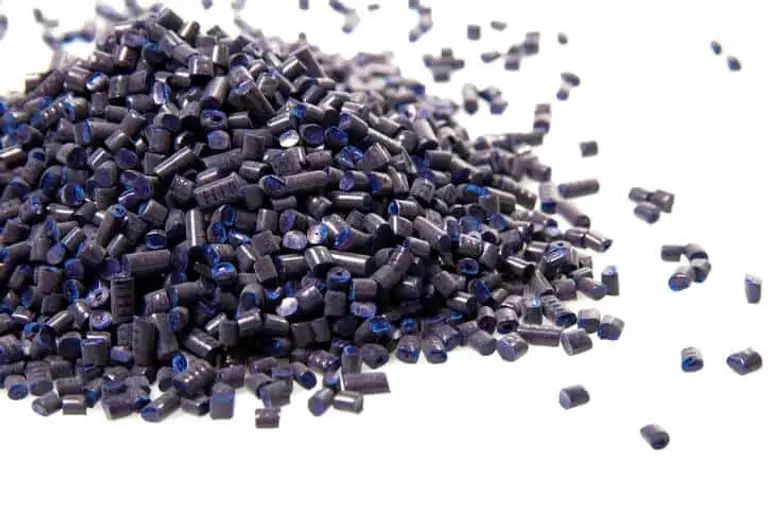
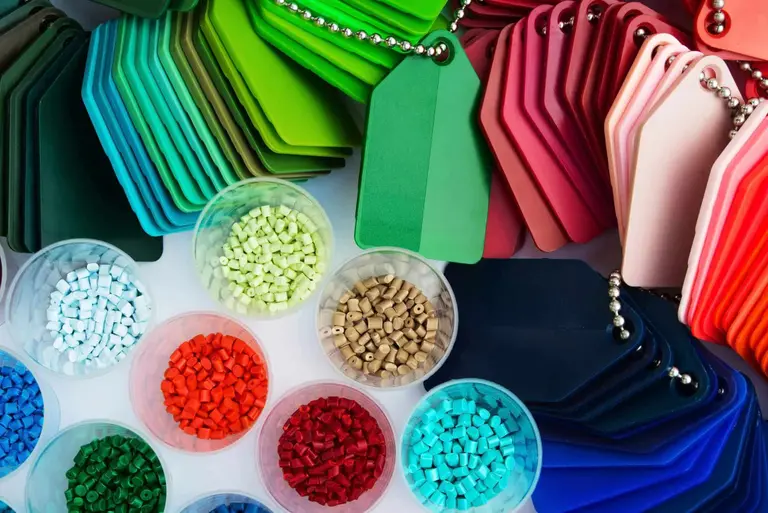
Resin materials used in plastic injection molding have evolved significantly in recent years as advancements to combining plastics with fillers and reinforcement materials has become more common in many industrial applications to improve part performance and strength. In the past, plastics were not known to be highly heat resistant materials. It is becoming more known that there are now many high performance resins that can be put to use at temperatures up to 572 degrees Fahrenheit – depending on the part / product’s environmental factors and exposure to chemicals. High heat and exotic resins are particularly good metal replacement options because they provide incredible benefits in the areas of weight savings, chemical resistance, and sliding friction characteristics. Additionally, these great attributes can be maintained at high permanent operating temperatures.

Preparing for Injection Moulding Resin Selection

Manufacturers use a wide variety of plastics to mold parts incorporated into products and have increasingly begun to replace other materials like bronze, stainless steel, aluminum, and ceramics. Some of the most popular reasons for using or switching to plastic include longer overall lifespan of the part, reduced wear on other components of a product, faster production line speeds, corrosion resistance and weight reduction. In addition, companies report an average 25-50 percent cost savings when parts are converted to plastic which oftentimes exhibit superior performance attributes.