Rosti
Shaping Sustainable Solutions for Tomorrow

Rosti is committed to shaping sustainable solutions throughout the value chain. Design and redesign are powerful levers for change, and we use them to reduce environmental impact while keeping products commercially viable.
We work closely with our customers to lower emissions and develop circular, sustainable solutions backed by clear guidance and expert advice. Sustainability is not an add-on—it is embedded in how we design, engineer, and manufacture.
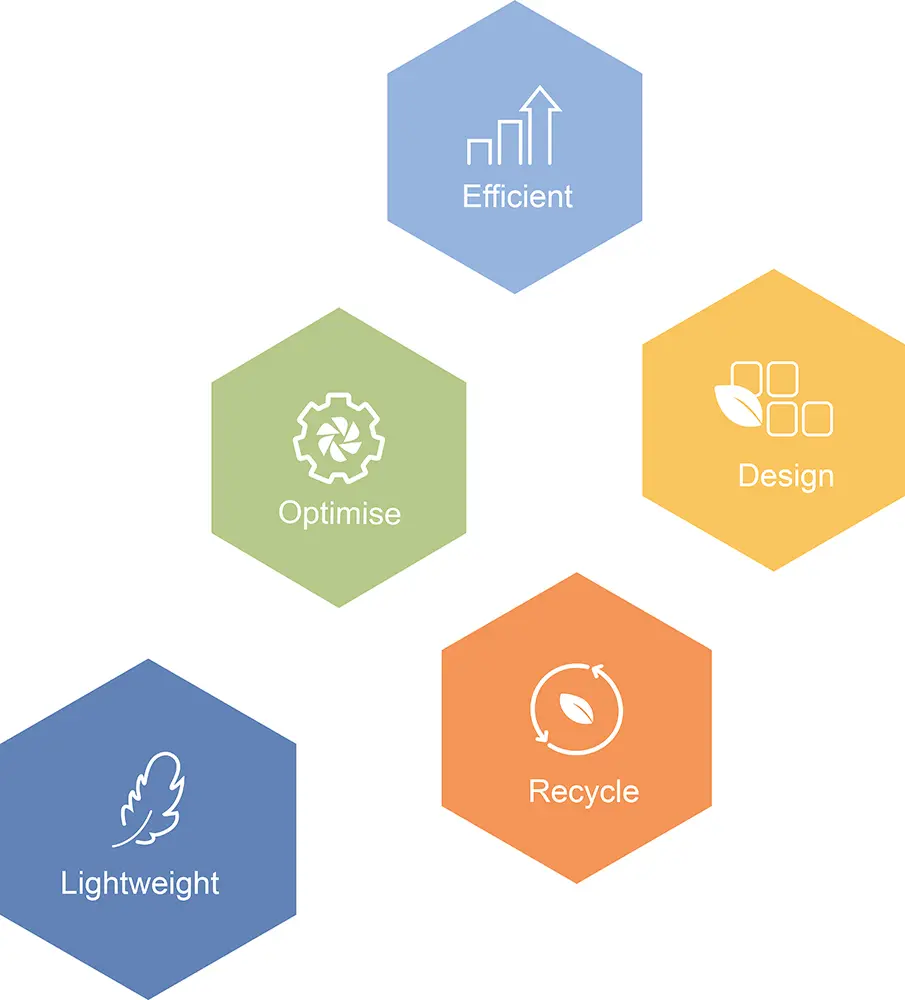
By combining customer collaboration with our materials knowledge and design expertise, we help improve your sustainability performance by optimizing designs with lightweighting and responsible material choices while encouraging circular design principles. The design and redesign phases play a crucial role in sustainability. We provide global high-precision molding and contract manufacturing
services that bring your concepts to life.
Let’s challenge your design—together.
Our Sustainability Report
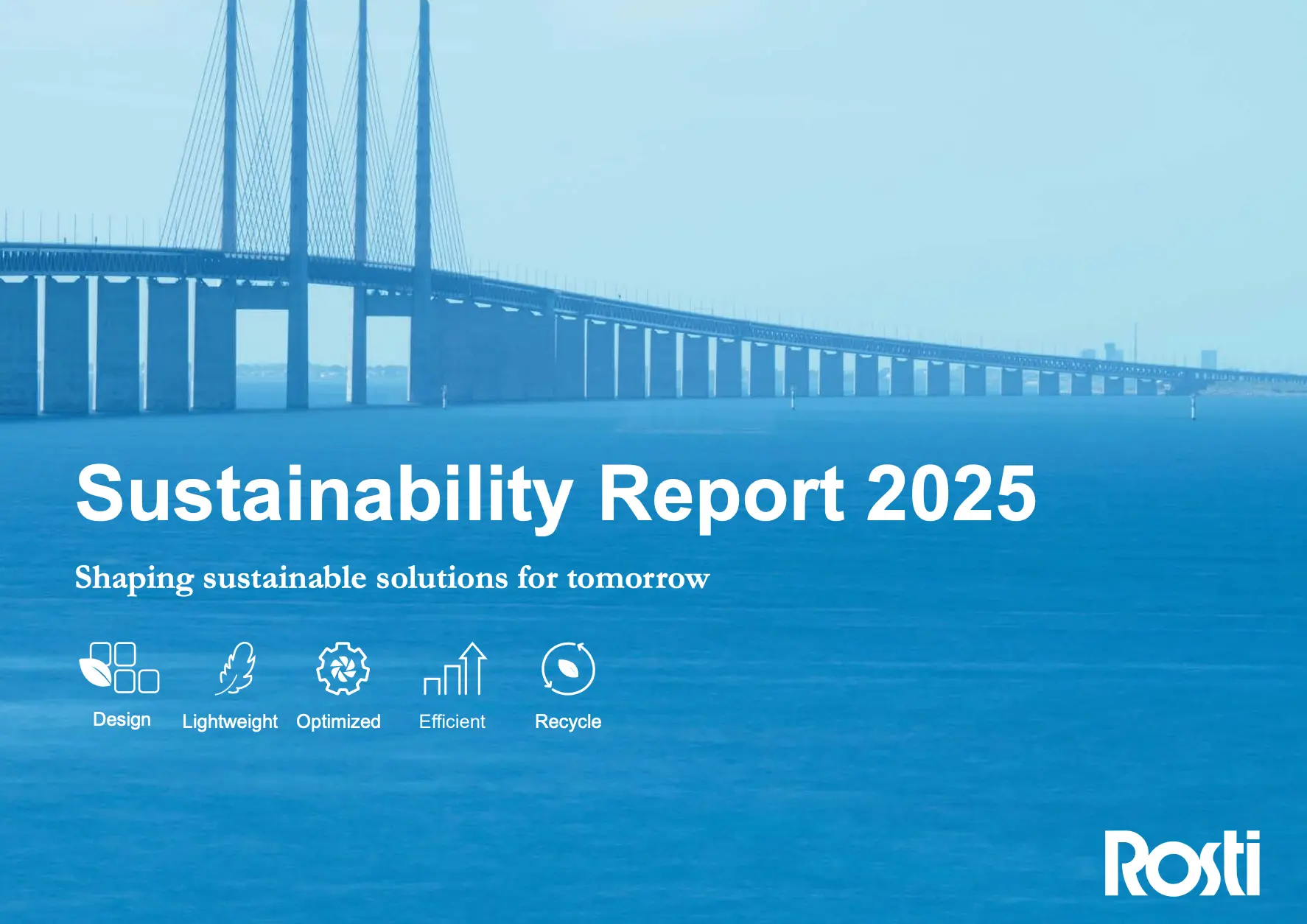
Our Sustainability Report 2025 outlines how we are shaping sustainable solutions for tomorrow and aligning with environmental legislation.
- Case studies and examples of best practices
- Progress toward achieving 2030 commitments
- CSRD and ESRS alignment
Rosti Sustainability Vision
“To be the preferred partner to bring Sustainability
from concept to reality by innovating
circular sustainable solutions”
Read our Rosti Sustainability Framework Document to find out more.
Our Sustainability Framework
Our Sustainability Framework defines how we embed environmental, social, and governance responsibility into everything we do, from concept to reality.
- Vision and 6 R principles
- 2030 measurable commitments
- CSRD and ESRS alignment
Our 2030 Commitments
We have aligned our ambitions with the circular economy and the United Nations Sustainable Development Goals. Clear metrics help every site and every colleague contribute to meaningful change and measure progress over time.
50% Reduction in emissions
We are committed to reducing emissions
within our control and empowering
customer choices through sustainable
materials and designs
100% Recyclable design option
Challenge all designs to become more
sustainable
100% Clean energy
Always use clean energy at all our sites
Zero waste to landfill
Leave no trace of waste
100% Green material option
Always offer alternatives made from
recycled or renewable materials
25% improvement in energy efficiency
Achieve more with less energy, aiming for a
50% improvement by 2040
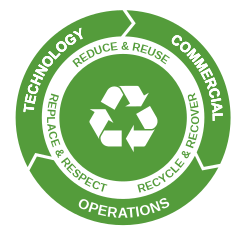
Reduce, Reuse, Recycle, Recover, Replace, Respect
We structure our circular economy efforts around three focus areas:

Reduce and reuse
- Operating an internal energy management program
- Creating lightweight solutions that use less material
- Improving packaging to minimize waste
Recycle and recover
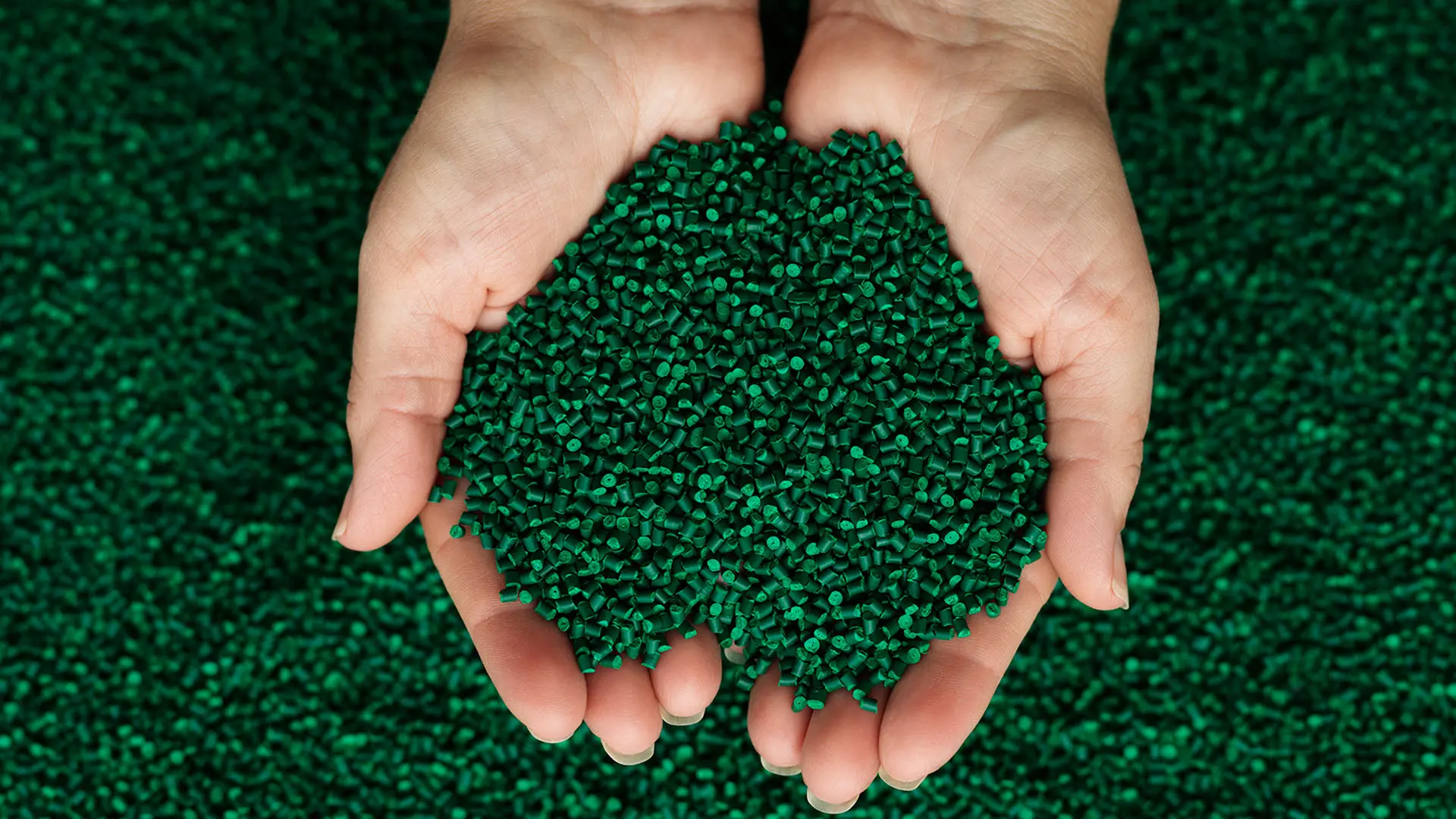
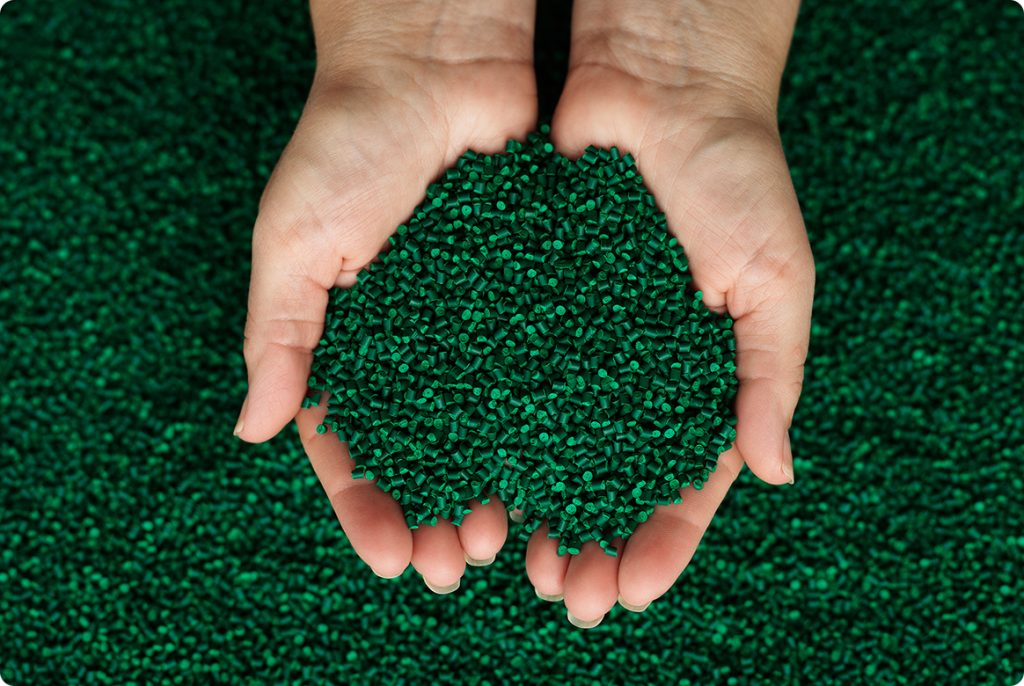
- Using recycled feedstock where technically and commercially viable
- Reprocessing internal scrap into new products
- Designing repairable products with extended life cycles

Replace and respect
- Using bio-based feedstock materials where appropriate
- Eliminating unnecessary processes
- Replacing metal components with plastics when this reduces weight and environmental impact

Rosti and the Circular Economy
Rosti is committed to supporting the need to
improve the environment for future generations.
Across our industry, we see a clear shift from a linear economy to a circular one, where material choice and end-of-life are critical. At Rosti, new products are analyzed at the concept stage to better fit within a circular model.
We evaluate material selection, tooling strategies, production technologies, and each product’s potential for repair, reuse, and recycling.
Our teams work closely with advanced material developers, machine manufacturers, and our customers to reduce environmental impact and support communities and our planet. These efforts are rooted in our values of partnership and integrity and are backed by practical actions, not just ambitions.
Making a Difference Throughout the Value Chain
We aim to make a meaningful difference at every stage of the value chain by acting as a trusted advisor. Even small design changes can deliver significant environmental benefits, so we proactively suggest next steps that improve sustainability performance without compromising quality or cost.
By combining engineering expertise, manufacturing experience, and a strong focus on sustainability, we help customers turn responsible ideas into real, manufacturable products.
On-Site Strategy Examples:
Rosti Europe
Our sites across Rosti Europe are dedicated to developing unique and innovative sustainability initiatives, and we’re committed to upholding high environmental standards.
Examples include:
- Supporting our customers in emission reduction – providing Product Carbon Footprint (PCF) calculation tools and guidance to help reduce emissions.
- Recycling production waste – reusing materials and striving to minimize waste at every stage of production.
- Designing for recyclability – collaborating with customers to minimize plastic content and enhance the recyclability of products.
- Sustainable material alternatives – We’ve helped customers from 10 sectors change materials in their products to greener alternatives.
- Sustainable packaging – enabling the transition to reusable and returnable packaging solutions.
- Using renewable energy sources – we are progressively transitioning to 100% clean energy.
- Self-generated renewable power – investing in systems that enable on-site energy generation from renewable sources.
- Modernizing our machinery park – upgrading equipment to improve energy efficiency and minimize heat losses.
- Energy recovery – harnessing heat generated by machines as a secondary energy source.
- Reducing energy losses – optimizing production processes, compressed air systems, ventilation, and installation insulation.
- Smart energy management – implementing automated controls, sensors, and intelligent lighting systems to reduce unnecessary energy use.
Rosti Asia
Rosti China and Rosti Malaysia are taking significant steps to minimize their environmental impact by prioritizing their own sustainability initiatives.
Examples include:
- Supporting our customers in emission reduction – applying green materials in production and providing Product Carbon Footprint (PCF) calculation tools and guidance to help reduce emissions.
- Waste reduction projects – Improving the waste recycling rate through both internal and external efforts to promote a circular approach to materials.
- Increasing the share of clean energy – continually expanding the use of energy from renewable sources.
- Reducing energy losses – boosting production efficiency through better process control, optimized machine settings, and enhanced leak inspections.
- Smart energy management – implementing controls, sensors, and systems that automatically reduce unnecessary energy use.
- Intelligent lighting solutions – deploying lighting systems that adapt to working conditions and lower energy consumption.
- Machinery modernization – upgrading production equipment to boost efficiency and decrease environmental impact.
- Recycling production waste – reprocessing manufacturing by-products and encouraging a circular approach to materials.
Rosti North America
Recently acquired, Rosti US has joined the Rosti group and begun our sustainability journey, in line with the Rosti agenda.
Examples include:
- Transition to lower emission solutions – We’ve enabled customers to switch from metal to plastic solutions in the construction industry.
- Sustainable packaging – supporting reusable and returnable packaging solutions.
- Protecting water resources – implementing Operation Clean Sweep initiatives to prevent the release of plastic particles and other contaminants into the environment.
- Investing in clean energy – starting our transition toward renewable energy sources to lower carbon emissions.
- Reducing energy losses – boosting production efficiency through better process control, optimized equipment settings, and improved insulation.
- Enhancing waste recycling – seeking new solutions to increase the proportion of recycled materials in our operations.