Rosti
In-Mold Decoration – IMD
Services for High‑Quality Decorative Plastic Parts
What Is In‑Mold Decoration (IMD)?
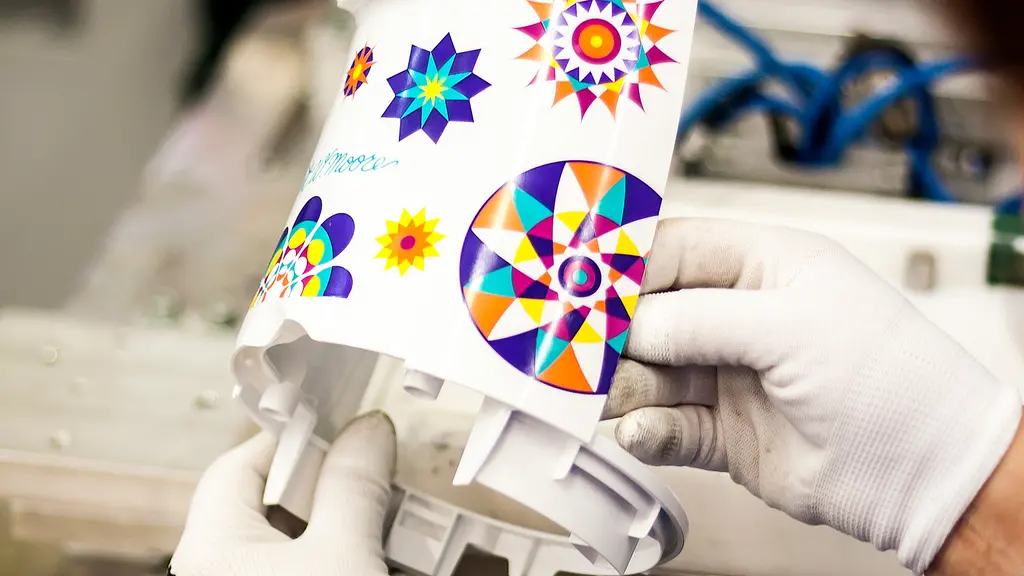
Rosti’s In-Mold Decoration solutions combine advanced materials, precision molding, and high-quality graphics to create durable, visually premium plastic parts.
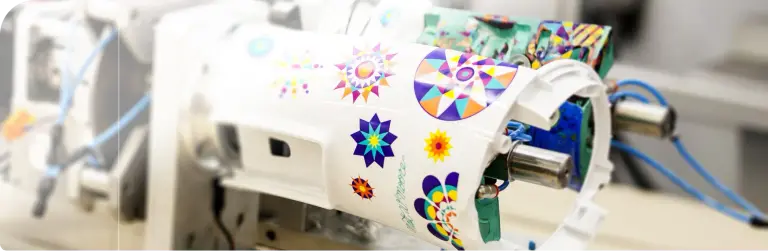
Our IMD process integrates decorative films directly into the molding cycle, achieving consistent surface finishes, excellent scratch and chemical resistance, and full design freedom for complex shapes. From automotive HMI panels and consumer electronics to industrial equipment, we deliver scalable and repeatable IMD manufacturing supported by end-to-end engineering, tooling, and global production expertise.

Tony Austin
European Technical Director

Benefits of In‑Mold Decoration for Product Design and Durability
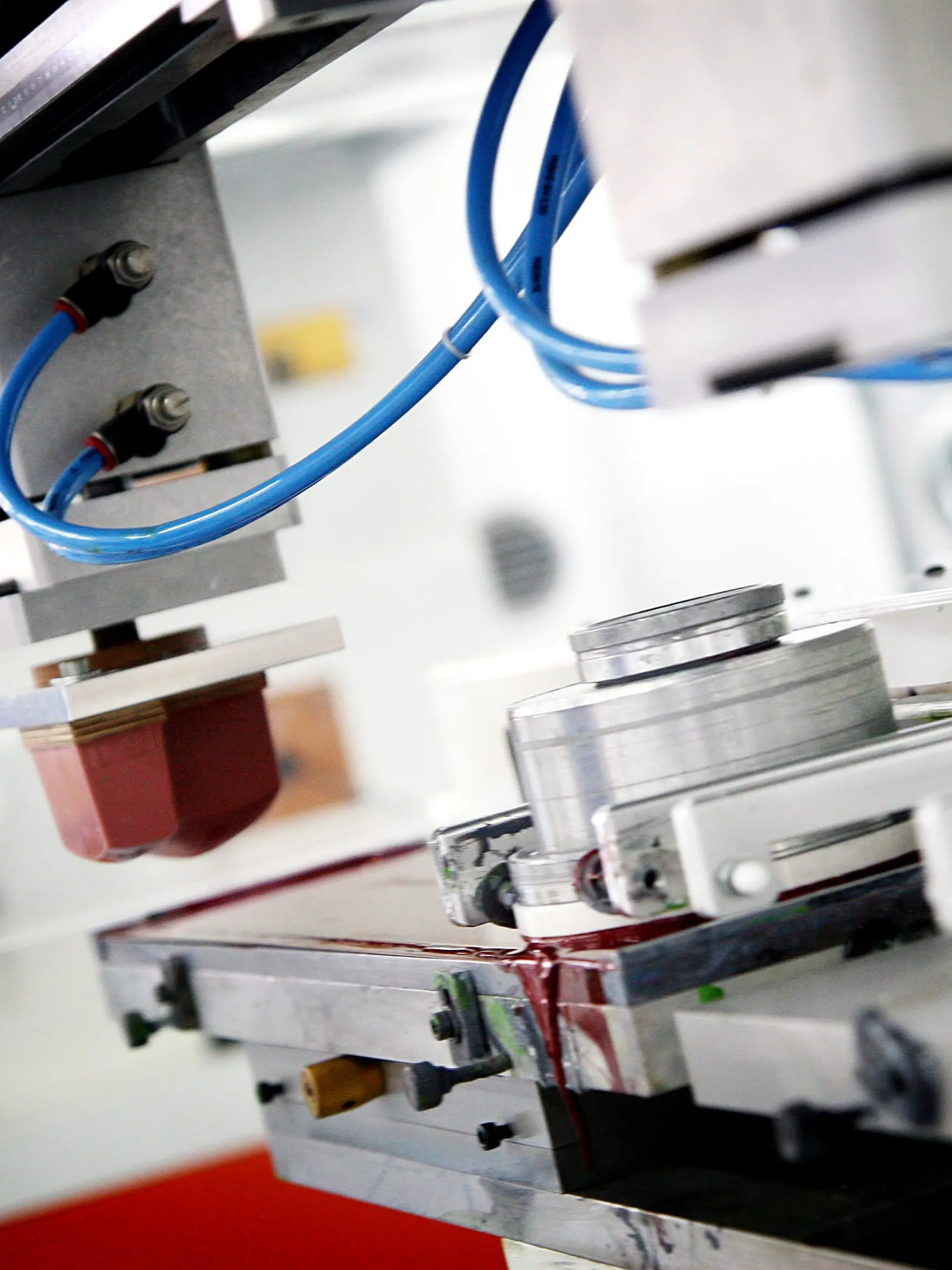
Through continuous refinement of in-mold films and processes, we’ve developed an IMD technique that offers high precision and cost-effectiveness, available at various global sites. The Rosti approach not only streamlines your production process but also lowers operating costs, all while maintaining superior image quality.
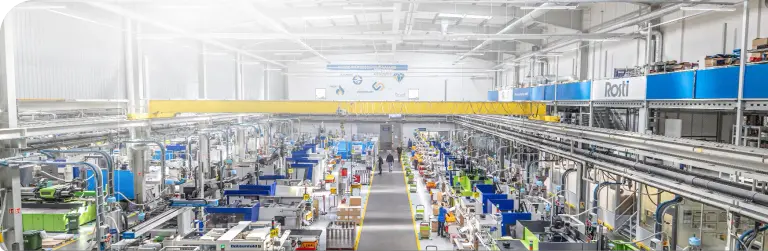
Rosti’s IMD Capabilities and Global Production Expertise
Our commitment to pushing the boundaries of IMD has led to groundbreaking collaboration with customers and suppliers, delivering solutions once thought impossible—including challenges related to geometric ratios.
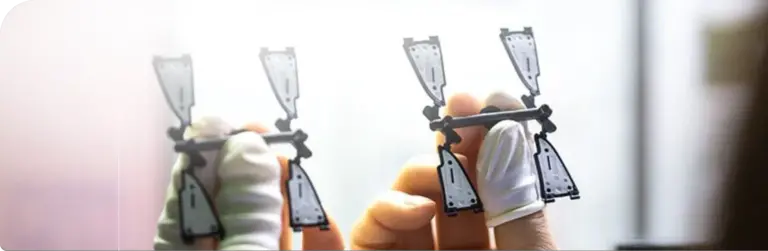
Rosti China successfully implemented a new in-mold decoration (IMD) manufacturing cell for a long-standing customer, introducing a higher level of cosmetic design than conventional painting or plating processes provide. Traditionally used for flat shapes, IMD presented unique challenges for the complex 3D parts in focus, with an impressive stretch ratio exceeding 45%.
Our approach included thorough risk assessment and potential failure mode analysis, treating the project as a distinct technical development separate from our main new product introduction programs. We managed challenges involving stretch ratio, resin, and part flow length.
Key factors included:
- Stretch ratio: The significant increase in part profile compared to the flat foil.
- Resin: The best outcome is achieved with slow and cool entry to minimize ink defects at the gate location.
- Flow length: The optimal ratio of the component wall section compared to the length from gate to end of fill should be as short as possible to maintain an even temperature and pressure gradient.
- We achieved solutions by leveraging our partners’ combined expertise—including resin, equipment, and decoration foil suppliers. We used digital simulation and analysis to tackle critical-to-quality factors, optimizing the development cycle for cost-effectiveness and speed to market.
Stretch ratio challenges were managed by analyzing high and low stretch regions along the part’s three-dimensional curves. The resin—a high-temperature engineering polymer (Polybutylene Terephthalate (PBT) plus glass fiber content)—was optimized using Rosti’s advanced injection molding flow simulation capabilities. The combination of thin wall geometry and resin required high injection temperatures and pressures, which were addressed through Rosti’s expertise in digital analysis.
After extensive digital development and scenario analysis, Rosti confidently moved forward with physical tooling and development. From launching steel tooling to achieving proof of concept and getting the production part process approved took less than three months. This impressive timeframe was possible thanks to a deep understanding of process challenges, strong simulation models, and a commitment to innovation—clearly demonstrating Rosti’s ‘concept to reality’ philosophy.