6 Things to Consider When Choosing a Plastic Injection Molder
With over 5,500 plastic injection molding companies in the United States, product manufacturers are faced with the challenge of choosing the best partner to help mass-produce a product or production element for their business.
When you need thousands of parts produced on time and under budget, having the peace of mind that your injection molder will truly be a partner and keep your needs in mind can make all the difference when it comes to getting your product to market faster. Many important decisions throughout each project process depend on information shared very early on. When expectations are set at the beginning of the project, there’s less chance of a communication breakdown later. Here are 6 other important things to consider when choosing a plastic injection molder.
1. Production Capabilities and Technology
It’s important to verify before starting any project that your molder has the capabilities you need. When you work with a molder that offers multiple presses in various sizes, they can take on the entire project while using similar materials and colors. It’s also important to understand any capacity constraints your supplier may have in relation to your project timeline. A partner with the right machinery and the latest technology can quickly scale production up or down to meet market demand without the need to find and qualify a new contract manufacturer. This kind of versatility can save both time and money.
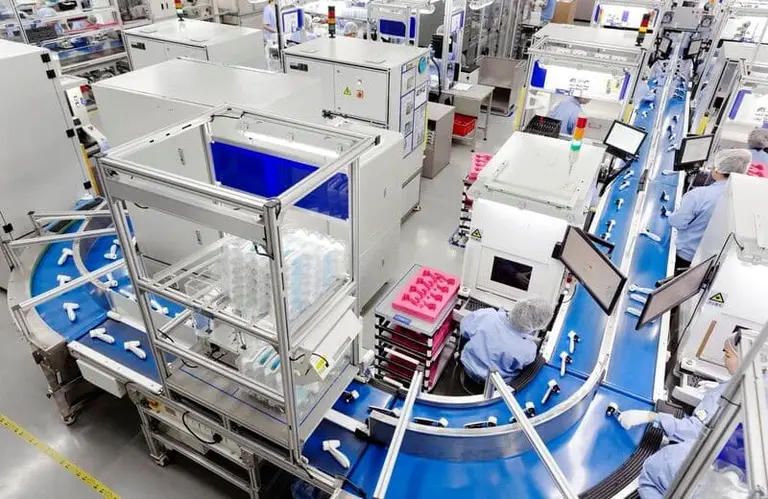
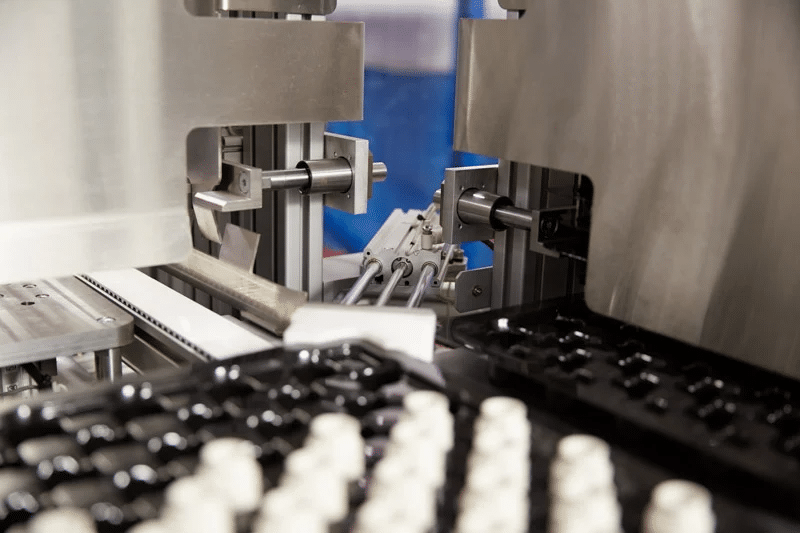
Around the world, technology and automation set injection molders apart. Those that incorporate the latest design and production capabilities offer competitive prices compared to overseas alternatives. Over the years, advancements in automation and lights-out manufacturing processes have had a major impact on the plastics industry. Not only has this allowed businesses to improve in terms of cost and turnaround time, but it’s also enabled plastic part producers to reduce the chance of defects and increase the overall quality of the products they create.
2. Expanded Services
Prototyping and part design are often services that fall outside the scope of what an injection molder offers, or they are introduced to the process far too late to allow for any cost or timing efficiencies. This is noteworthy considering manufacturers rate design as a top factor in reducing overall manufacturing costs.
Just like technology, best practices for tooling and part manufacturing have changed a lot over the years. The work that happens early in the development cycle, particularly design, is what creates real efficiency with project time and budget. When a toolmaker/injection molder is involved early in the design and development cycle, customer objectives are understood and unexpected surprises are avoided. It’s all about following a 4-pronged approach:
- Design for Manufacturing
- Design for Functionality
- Design for Assembly
- Design for Sustainability
3. Quality Standards
Do your parts need to pass strict inspections or meet high safety and quality standards? If so, it’s essential that you partner with an injection molder that is ISO certified, which ensures that parts will be molded with the correct and specified materials.
4. Customer Service & Communication
Long-term business-to-business relationships require the extra element of outstanding customer service and communication. Especially with complex parts or projects that include a high level of intellectual property sensitivity, working with an onshore partner who is responsive to your needs provides valuable peace of mind.
If your needs are specialized or unique, finding a supplier who understands your industry, materials, and challenges is crucial to your project’s success. You may want to speak directly with unbiased customers who can help you decide whether to do business with the supplier by confirming their business practices, communication style, financial stability, product quality, and turnaround times.
5. Available Resins
Material/resin selection is a critical part of the design and production process for a successful product. Working with an experienced injection molder will help make sure your end use is considered throughout the design and material selection process. In addition to the base material chosen as the best option for your product, filler materials and other additives can be included to enhance part properties. Experienced injection molding engineers can also help you lower costs by recommending ways to reduce the amount of material used, when possible, without compromising quality.
6. Value
Price is always a top factor for a manufacturer when choosing the best injection molding partner. Budgets and ROI calculations are part of doing business. However, think about the process of buying a car. Sometimes a “bargain” deal may end up costing you in repairs just a few months later. Many factors play into the overall price of part production, and there’s more to a long-term partnership than just choosing the lowest quote. While the cheapest option may seem like the best solution, it could cost you more in the long run.
Poor design and material selection, production issues, or missing a product launch can quickly add extra costs. Take into account the overall value of the service you’re getting—the quality of work and your partner’s ability to be a key resource for you and your team.
Most manufacturers have unique and specific needs. Finding a supplier who understands your industry, go-to materials, and unique challenges is key to the success of any plastic injection molding project. By reviewing these 6 important considerations, you’ll streamline the process of choosing a knowledgeable and experienced plastic injection molder, ensuring positive outcomes for relationships, budget, and time to market.
Ready to learn about PCI’s injection molding process from design to production? Download our comprehensive guide: Injection Molding 101.