Cleanroom injection molding: Class 7 vs. Class 8 – What’s the difference?
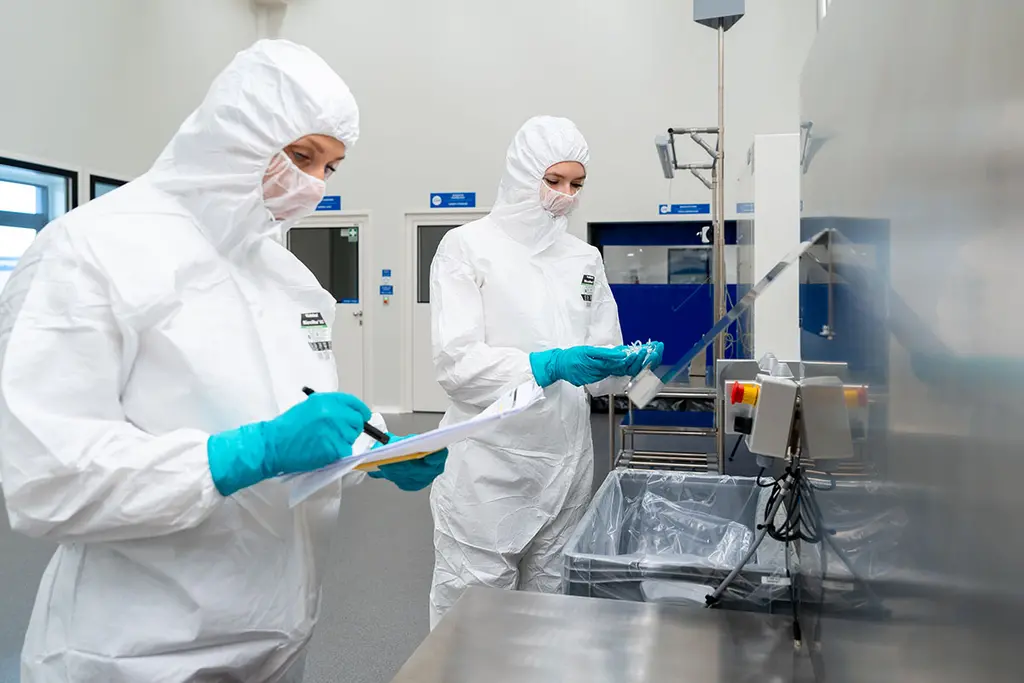
For manufacturers of medical devices, diagnostics, and pharmaceutical products, choosing the right cleanroom classification is crucial. Selecting the wrong option can lead to higher costs, slow down validation, and introduce unnecessary compliance risks. Although cleanroom injection molding is essential for contamination control, not every cleanroom provides the same level of environmental control.
The two most common classifications used in medical manufacturing are Class 7 and Class 8 cleanrooms. Knowing the differences can help businesses select the right environment for their products and meet regulatory requirements.
What is cleanroom injection molding?
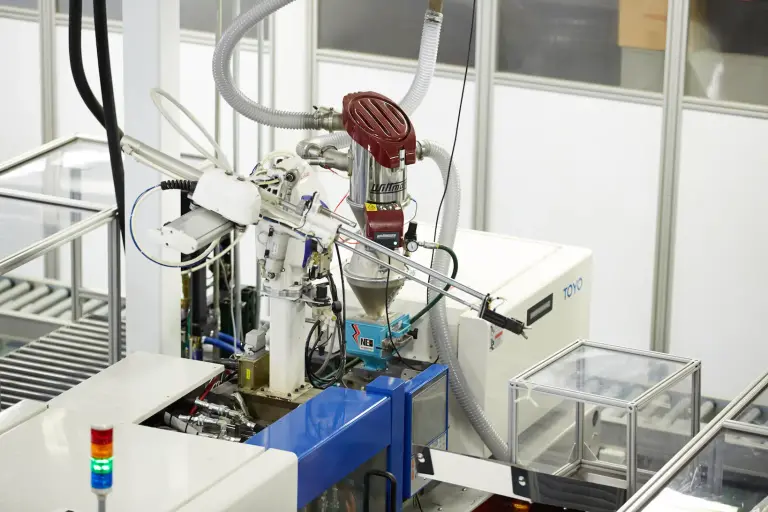
Cleanroom injection molding means producing plastic components in a controlled environment where airborne particles, temperature, humidity, and contamination risks are closely regulated.
This is especially important for medical and healthcare uses, where even small amounts of contamination can affect product performance, safety, or compliance.
Key features of a cleanroom environment include:
- HEPA-filtered air systems
- Controlled airflow and pressure
- Strict gowning procedures
- Environmental monitoring
- Validated manufacturing processes
What do ISO cleanroom classifications mean?
Cleanrooms are classified using ISO 14644-1, which measures the level of airborne particles within a controlled environment.
The lower the ISO number, the cleaner the room and the stricter the particle control. For medical injection molding, Class 7 and Class 8 are the most widely used standards.
Class 7 Cleanrooms
A Class 7 cleanroom provides a higher level of contamination control and is usually used for products that require strict cleanliness standards.
Common Applications
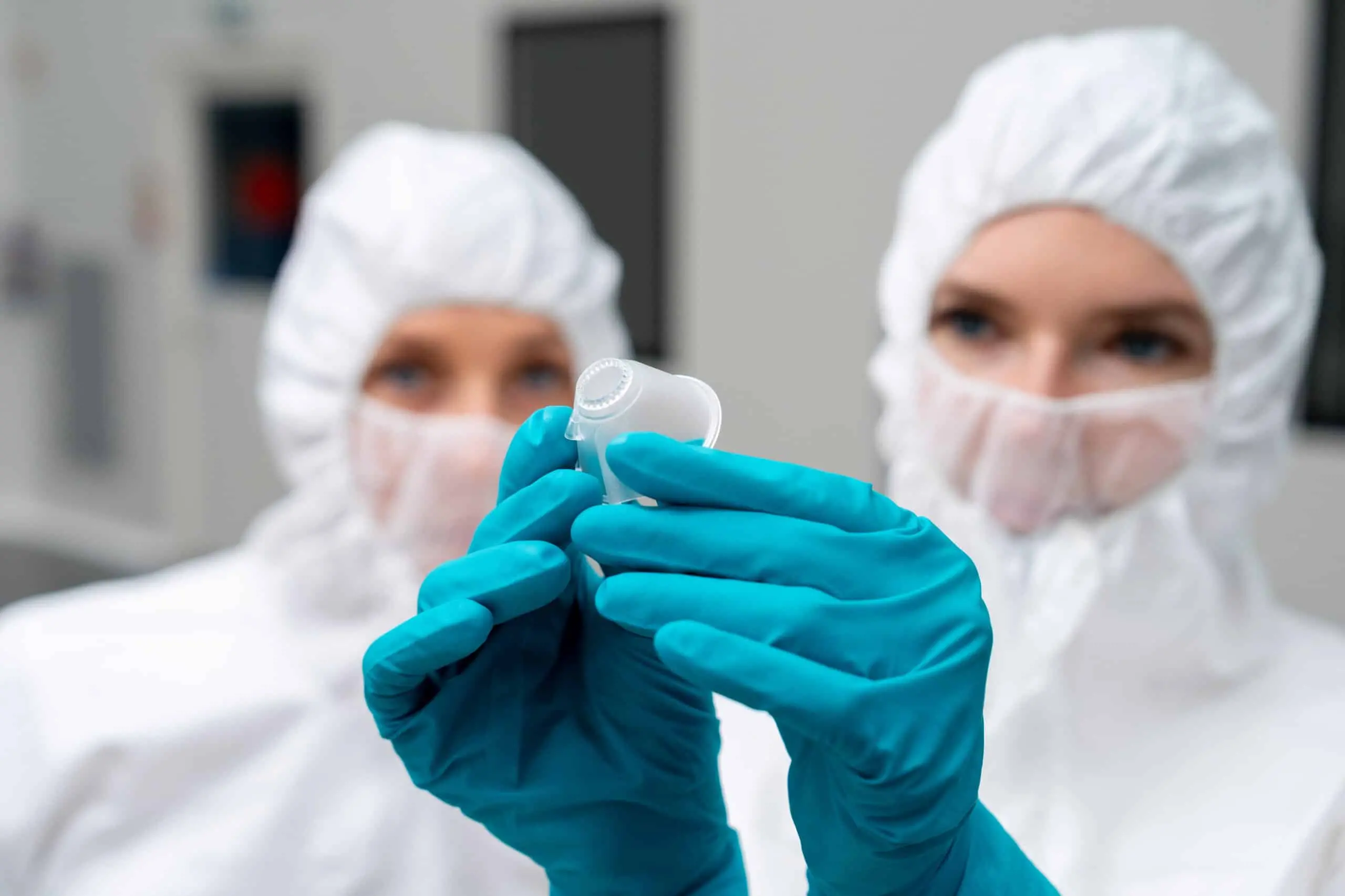
- Medical devices – direct patient contact
- Diagnostic components
- Implantable device parts
- Patient-contact products
- High-risk healthcare applications
Benefits
- Lower particle counts
- Higher level of contamination control
- More rigorous environmental monitoring
- Supports regulatory requirements
- Ideal for critical and high-risk medical components
Class 8 Cleanrooms
A Class 8 cleanroom provides a controlled manufacturing environment with less strict particle limits than Class 7.
While still highly regulated, this environment is often well suited to lower-risk products and high-volume production.
Common Applications
- Medical packaging
- Assembly operations
- Non-critical medical components
- Secondary manufacturing processes
Benefits
- Controlled and compliant manufacturing environment
- Lower operating and setup costs
- Efficient for high-volume production
- Suitable for non-critical or lower-risk applications
Class 7 vs Class 8: At a glance
| Feature | Class 7 | Class 8 |
| Cleanliness Level | Higher | Lower |
| Particle Control | More stringent | Moderate |
| Typical Applications | Medical devices, diagnostics | Packaging, assembly |
| Monitoring Requirements | Extensive | Standard |
| Operating Costs | Higher | Lower |
Typical selection guidance:
- Class 7 is typically chosen for critical, patient-contact, or high-risk applications
- Class 8 is generally used for packaging, assembly, or lower-risk components
Which cleanroom classification is right for you?
Selecting the right cleanroom classification depends on your product’s risk profile and regulatory requirements. In practice:
- Products with direct patient contact or high contamination sensitivity typically require a Class 7 environment
- Secondary processes such as packaging or assembly are often suitable for Class 8
- Regulatory expectations, sterilization requirements, and material behavior should always be assessed early in development
Products with direct patient interaction or strict cleanliness requirements typically require a Class 7 environment, while many packaging and assembly operations can be efficiently manufactured in a Class 8 cleanroom.
Why manufacturing expertise matters
Cleanroom classification is just one aspect of successful medical manufacturing. Equally important is having a strong quality management system, such as ISO 13485, which helps ensure traceability, validation, regulatory compliance, and consistent product quality throughout the product lifecycle.
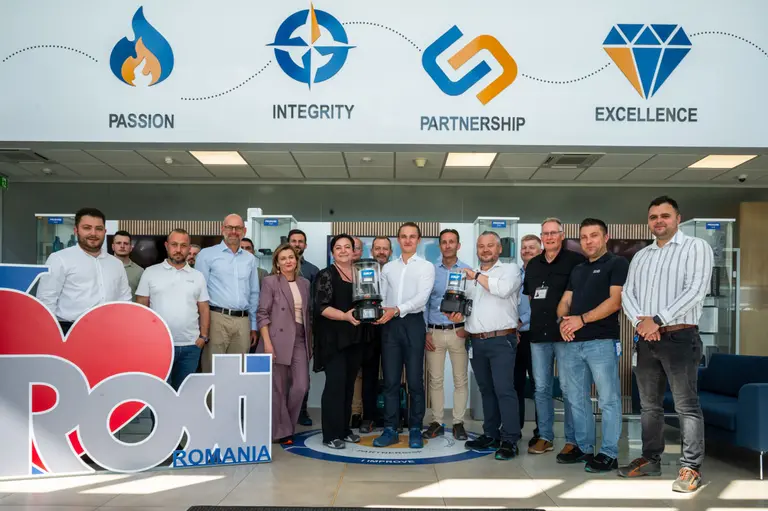
Partnering with an experienced global manufacturing organization can offer significant benefits when bringing medical and healthcare products to market. Rosti Group runs 13 manufacturing sites across Europe, Asia, and North America, providing customers with a truly global production footprint. With strategically located Class 7 and Class 8 cleanroom facilities, supported by certified quality systems and extensive expertise in medical manufacturing, Rosti can provide the flexibility, scalability, and reliability required to support a wide range of healthcare and life sciences applications.
Choosing the right cleanroom strategy is not only about compliance, but also about balancing quality, efficiency, and long-term scalability.
Both Class 7 and Class 8 cleanrooms play an important role in cleanroom injection molding. Class 7 offers the highest level of contamination control for critical medical applications, while Class 8 provides a cost-effective solution for lower-risk products and processes. Choosing the right cleanroom environment helps manufacturers balance compliance, quality, efficiency, and cost while making sure products meet the demands of today’s healthcare market.
Whether you are developing a new medical device, scaling up production, or reviewing your cleanroom manufacturing strategy, Rosti’s global team can help identify the most suitable manufacturing solution for your needs.
Not sure if Class 7 or Class 8 is best for your product? Our team can help you assess product risk, regulatory requirements, and production strategy to define the most efficient and compliant solution.