Our Global Perspective on Medical Molding with Gustav Reingsdahl
We sit down with Gustav Reingsdahl to discuss the changing global medical injection molding market and the strategic role Rosti plays as a trusted contract manufacturing partner—from concept to reality.
What themes have emerged in 2024 in the plastic injection molding sector related to the medical market?
In 2024, we saw several key trends emerge in plastic injection molding, especially within the medical sector. Some of the most important include:
Sustainability and Biodegradable Materials
The medical industry is under growing pressure to reduce its environmental impact. This year, we’ve seen an increasing shift toward sustainable polymers, including biodegradable and recycled materials.
Advanced Automation and Smart Manufacturing
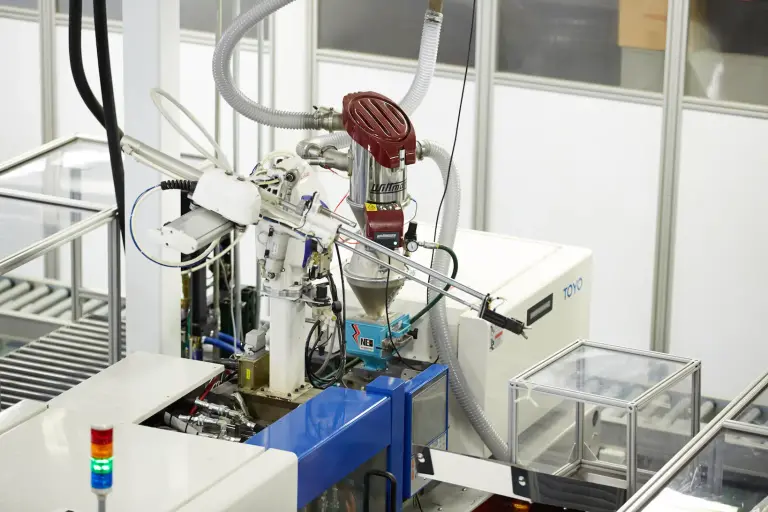
The use of automation, robotics, and AI-driven quality control systems has continued to gain momentum. The medical sector in particular has embraced smart manufacturing to improve precision, reduce waste, and increase production efficiency.
Regulatory and Material Compliance Challenges
The changing regulatory landscape continues to affect material selection and manufacturing processes. With stricter guidelines from the FDA and EU MDR, medical manufacturers must ensure that plastic components meet new biocompatibility and sterilization requirements. This has led to greater demand for advanced material testing and compliance tracking in the injection molding process.
Supply Chain Resilience and Nearshoring Trends
The disruptions experienced over the past few years have prompted medical manufacturers to rethink their supply chains. Many have moved toward nearshoring or reshoring production to ensure reliability, reduce lead times, and comply with localization policies. This trend has affected how injection molding companies source materials and structure operations to remain competitive.
Overall, 2024 was a year of innovation and adaptation for the plastic injection molding sector, especially in the medical market. As demand for precision, compliance, and sustainability keeps rising, manufacturers must stay ahead of these trends to stay competitive in a changing landscape.
How do Rosti’s capabilities and global technologies help get products to market faster?
Accelerated time to market by mobilizing our digital technovation centers with Carbon® M3 printers using Digital Light Synthesis printing technology
Through our Innovation Lab, we offer rapid prototyping services—including 3D printing and soft tooling—which let us quickly test, refine, and validate product designs. This greatly shortens the initial development phase and makes sure potential issues are identified and resolved early on.
We offer a fully integrated design-to-manufacturing approach, covering product development, precision injection molding, assembly, and packaging all under one roof. This eliminates unnecessary delays that come from outsourcing different stages of production, making the entire process smoother and more efficient.
The medical industry is highly regulated, and managing compliance can be complex. Rosti has deep expertise in ISO 13485-certified medical manufacturing and works closely with clients to ensure all materials and processes meet the latest regulatory requirements, avoiding potential roadblocks to market approval.
With manufacturing facilities across Europe, Asia, and North America, we provide customers with strategic geographic advantages. Our ability to nearshore production helps reduce lead times, optimize logistics, and comply with regional regulatory requirements, ensuring faster delivery to market. Additionally, our flexible production setup makes for a smooth transition from low-volume prototyping to full-scale mass production, cutting market entry times while maintaining cost efficiency.
How has the increased focus on sustainability and partnering with the right provider benefited Rosti?
As the push for greener manufacturing grows, we have put in place a range of sustainable practices including innovations in materials, design optimizations such as lightweighting and recyclability, greater operational efficiency, and a focus on green energy.
Sustainability isn’t just an option anymore—it’s essential. We take a proactive approach, bringing together eco-friendly practices, responsible material sourcing, and advanced manufacturing technologies to help our clients deliver innovative, high-quality, and sustainable products to market.
What trends do you see shaping the medical industry in 2025?
One key trend we’re seeing and expect to continue is the rise in home health and wearable health. As remote patient monitoring, home diagnostics, and wearable medical devices become more common, there’s a growing demand for miniaturized, high-precision plastic components. Rosti is investing in advanced precision molding technologies to ensure we meet the complex needs of next-generation wearables and home-use devices.
Sustainability and circular economy initiatives will become even more important, especially for the healthcare sector as it works to reduce waste and carbon footprint. At Rosti, we are working closely with some customers to explore how we can help them limit their carbon footprint.