Enhancing Supply Chains with a Strategic U.S. Manufacturing Presence
In today’s unpredictable global landscape, supply chains are facing more challenges than ever before. Geopolitical tensions, changing trade policies, increasing transportation costs, and ongoing disruptions have compelled manufacturers to reconsider how they operate.
For many organizations, the question is no longer just where can we manufacture most cost-effectively? – but rather how can we build a supply chain that is resilient, responsive, and ready for the future?
This is where a strong North American plastic injection molding presence becomes a strategic advantage. At Rosti Group, ongoing investment in U.S. operations reflects a broader change in mindset, one that prioritizes risk mitigation, flexibility, and lasting value over short-term cost savings.
From cost efficiency to risk mitigation
For decades, global manufacturing strategies were largely focused on cost. Offshore production provided lower labor costs and economies of scale, making it an appealing option for many businesses.
However, recent disruptions have revealed the vulnerabilities of extended global supply chains. Delays, shortages, and unexpected cost increases have highlighted the risks of relying too heavily on distant manufacturing hubs.
As a result, organizations are increasingly adopting a more balanced approach by combining global capabilities with regional production to limit risks and gain more control.
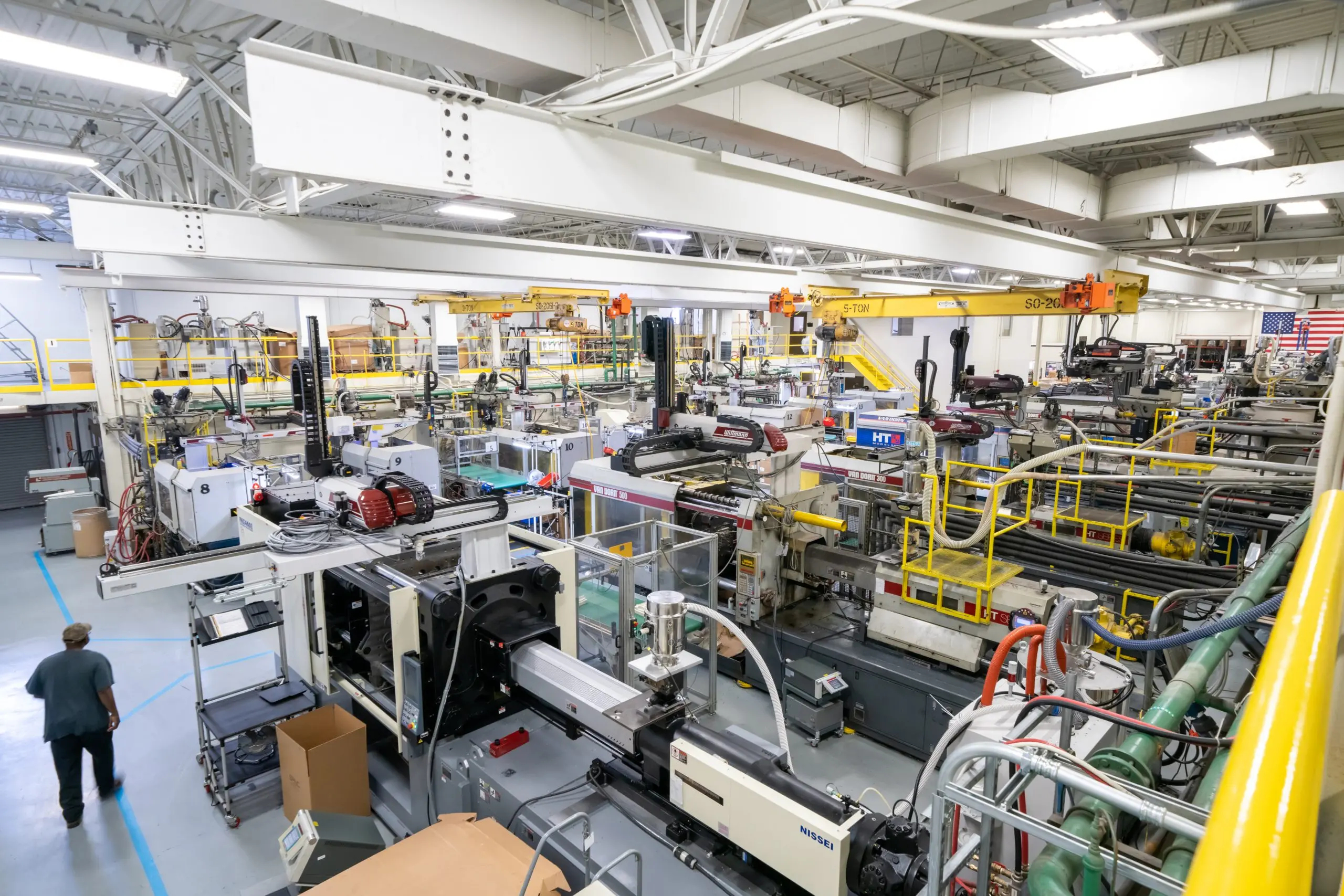
A U.S.-based manufacturing presence plays a key role in this strategy. It allows companies to bring production closer to their end markets, reducing lead times, improving responsiveness, and minimizing the impact of external disruptions.
Building resilience through localization
Localizing production isn’t just about geography – it’s about building a supply chain that’s more resilient and adaptable.
With manufacturing in North America, businesses can respond faster to shifts in demand, adjust production schedules with greater agility, and maintain closer coordination between engineering, production, and commercial teams.
This proximity also enhances visibility and collaboration. Problems can be spotted and fixed sooner, reducing the chances of costly delays or quality issues.
At the same time, localization helps limit exposure to tariffs, trade restrictions, and transportation volatility – factors that have become increasingly important in recent years.
The power of a connected global network
While regional manufacturing clearly offers advantages, it’s most effective when backed by a strong global network.
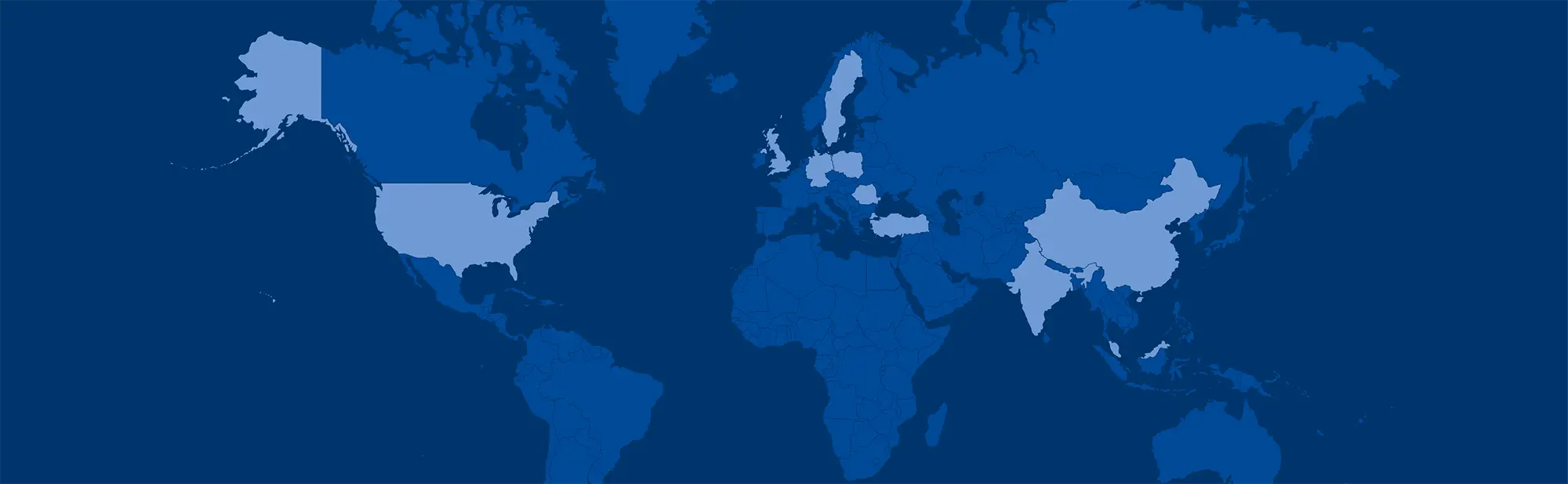
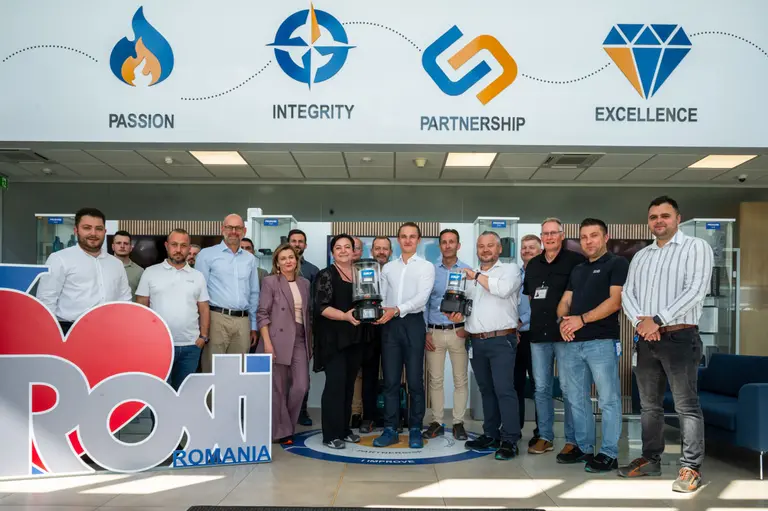
Rosti’s “One Rosti” approach ensures that its North American operations are fully connected to its broader international resources. This lets customers benefit from shared expertise, consistent processes, and access to extra capacity when needed.
If a project requires specific technical skills or extra resources, support can be tapped from the entire global network, ensuring continuity and flexibility without sacrificing quality.
This blend of local implementation and global support provides a powerful foundation for handling complexity and reducing risk.
Agility and speed in decision-making
In a rapidly changing environment, the ability to act quickly is crucial.
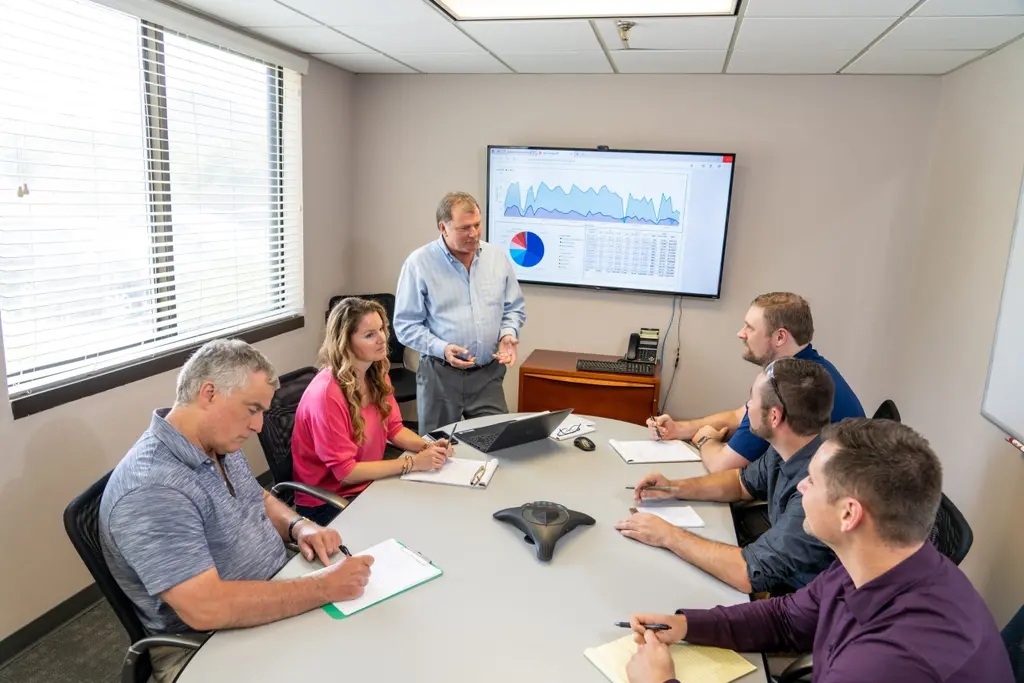
One key advantage of our operating model is agility. With a relatively flat organizational structure, decisions about investment, capacity, and resource allocation can be made quickly – often in days instead of weeks.
This responsiveness enables the company to support customers through times of change, whether that means ramping up production, transferring projects, or adapting to new market conditions.
It also strengthens a partnership-driven approach, where both sides work together to achieve long-term success.
Creating flexibility for the future
Flexibility has emerged as a defining quality of resilient supply chains.
Instead of depending on a single manufacturing facility or an inflexible production model, businesses are increasingly seeking partners who offer scalable, adaptable solutions.
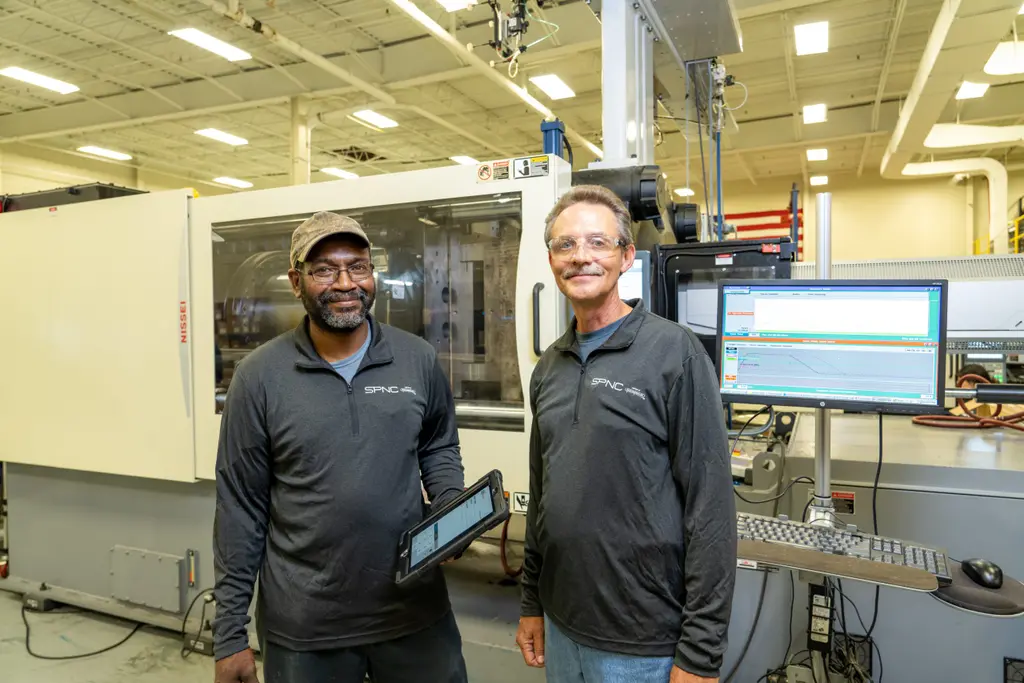
Our North American footprint is crafted with this in mind. By combining multiple sites, ongoing investment, and global connections, the company gives customers options – whether that’s growing capacity, adding new projects, or managing risks through multi-site production strategies.
This flexibility not only supports current operations but also enables future growth, giving customers confidence that their manufacturing strategy can adapt as their business evolves.
A Strategic Foundation for Long-Term Growth
As supply chains keep evolving, the importance of regional manufacturing will only continue to grow.
A strong U.S. presence offers more than operational efficiency—it provides a strategic foundation for resilience, agility, and sustained growth.
By investing in North America and integrating it into a global network, we help customers navigate uncertainty with greater confidence, turning supply chain challenges into opportunities for innovation and competitive advantage.
In a world where disruption is becoming the norm, this balanced, forward-thinking approach is no longer optional—it’s essential.