From Local Supplier to Global Engineering Partner
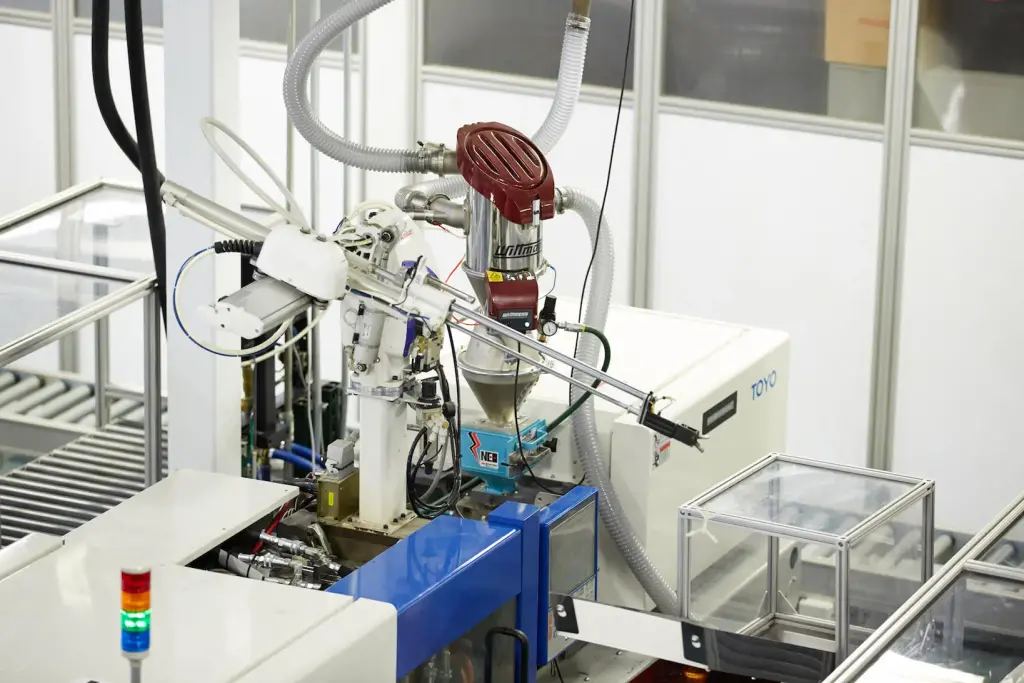
What starts as a single project can often grow into something much more impactful. In this Q&A, we talk with a member of the Rosti team about how helping a customer localize production in Europe became the foundation for a growing strategic partnership—covering product development and design, Design for Manufacturing, access to a global manufacturing network, and building a resilient, future-ready supply chain.
Supporting a Global Manufacturing Strategy Through Production Transfer
How has the relationship changed from the initial engagement to today, and what expanded the scope over time? What drove growth in programs, regions, or technologies?
The partnership began in May 2023, when a global technology company started a strategic move to relocate their injection molding supply from Asia to Europe. This nearshoring and localization strategy was driven by supply chain resilience, sustainability goals, and the need to align production more closely with regional electronics manufacturing partners.
Rosti joined at a key moment, positioning itself not only as a plastics supplier, but as an engineering-led injection molding partner in Europe. From the start, the engagement was engineering-driven rather than just commercial. Cross-functional teams were involved from the first meetings, including DFM engineering specialists who presented advanced injection molding technologies, sample parts, tooling strategies, and manufacturing capabilities.
From Localisation Supplier to Integrated Engineering Partner
The collaboration has grown significantly over time, reflecting a move toward an early-stage engineering partnership in plastics manufacturing. Starting with the May meeting and more than 20 follow-ups—including visits to Sweden every 1–2 months—Rosti continued to strengthen its position. In September 2024, the first Lunch & Learn session was held, focusing on technologies and sustainability. This was followed by a second session in April 2025 and culminated in a December 2025 Open House engineering event that brought together over 40 engineers to explore technologies, The Rosti Way of working, and the tooling development process.
The first award came quickly as a second-source program. However, the relationship took off when Rosti was later granted a major first-source program before earlier projects had completed full mass production validation, which was a big change from the customer’s usual supplier onboarding process.
Scope expansion was driven by:
- Consistent on-site engineering engagement
- Proactive design-for-manufacturing (DFM) involvement
- Demonstrated expertise in insert molding and electronics enclosures
- Cultural and strategic alignment
- Responsiveness and speed of action
- Technical plastics innovation capability
Within two years, the portfolio grew from a single localization project to multiple complex IP-rated electronics housing platforms across regions.
Technical complexity
What makes these IP-based surveillance and electronic products technically challenging from a molding perspective?
The products are highly engineered electronic devices that require precision injection molding, durability, and high-end cosmetic looks that are appropriate for IP-rated outdoor electronics enclosures.
Key technical challenges include:
- Tight tolerances to ensure proper assembly with electronics and optical components
- High insert density, including complex multi-insert molding setups
- Environmental performance, meeting outdoor, weather-resistant, and IP-rated enclosure requirements
- Thermal management considerations due to internal electronics and edge computing components
- Premium cosmetic standards, previously achieved through secondary processes like painting
- Material constraints, including specified global engineering resin grades with long supply chains
Additionally, new AI-enabled and electronics features are often added into legacy plastic housing designs. This creates structural and manufacturing conflicts that need advanced DFM analysis to make sure injection molding production can scale without sacrificing performance, cost-efficiency, or compliance.
Engineering collaboration
At what stage do we engage in product development, and how do we influence DFM, cost, or performance?
The partnership has developed significantly over time, showing a move toward early-stage engineering collaboration in plastics manufacturing.
Initial phase: Projects were mostly complete when received, requiring DFM optimization rather than redesign.
Development phase: Rosti began offering design enhancements, focusing on insert molding strategies, refining structural geometry, optimizing wall thickness, and simplifying electronics assembly.
Current phase: Engagement now starts at early DFM and concept validation phases, including collaborative product development workshops during concept and pre-RFQ stages.
Rosti’s impacts:
- Structural optimization for plastic electronics housings
- Strategies for insert integration
- Balancing wall thickness for mold flow control
- Tooling simplification and risk reduction
- Cost-saving opportunities in injection molding production
- Assembly efficiency and automation compatibility
- Sustainable manufacturing alternatives
Case Study – Paint Elimination Initiative
During a customer visit, Rosti identified painted parts inside electronic enclosures that could potentially be replaced with molded surface textures. Painting added expense, required surface preparation, environmental impact, VOC emissions, and made the supply chain more complex.
Rosti suggested a molded texture solution using advanced tooling surface technology and created a cost-effective prototype validation approach using a partial tool strategy. This lowered validation investment while allowing for full mechanical and environmental performance testing.
If approved, this sustainable plastics manufacturing solution will achieve:
• No secondary processing
• Direct cost savings
• Lower carbon footprint
• Better environmental sustainability
• Shorter production lead times
• Easier supply chain management
This initiative was proactively driven as part of an engineering partner approach, not through a formal RFQ process.
Global Manufacturing Strategy
How do we support the customer’s global supply chain?
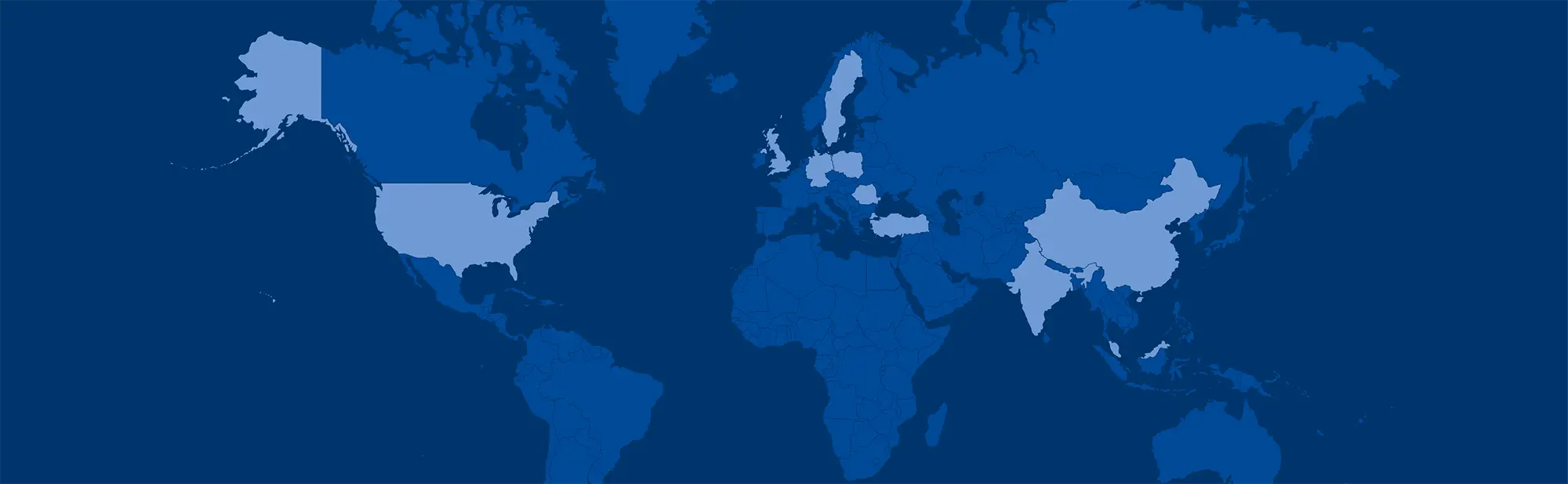
Rosti maintains a multi-region injection molding manufacturing footprint by:
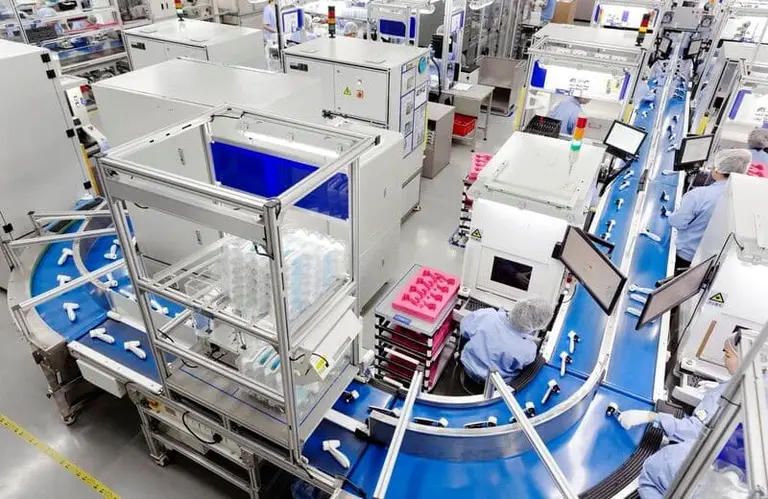
- Manufacturing in Europe at advanced technical plastics facilities
- Shipping molded electronics housings to various global assembly sites
- Supporting dual-source risk mitigation approaches
- Providing scalable capacity for new product launches (NPI)
- Supporting regionalized and localized manufacturing strategies
The localization and nearshoring strategy reduces dependency on long intercontinental supply chains and improves supply resilience, lead time control, sustainability performance, and production flexibility.
Measurable Value Delivered
What quantifiable results have been delivered?
While specific commercial figures remain confidential, measurable outcomes include:
• Transition from second-source to first-source injection molding supplier within two years
• Award of major electronics enclosure program ahead of standard supplier validation milestone
• Reduction of secondary processing through paint elimination study
• Insert molding and structural optimization for complex electronic assemblies
• Rapid DFM turnaround supported by on-site engineering collaboration
• Portfolio growth across multiple IP-rated electronics product platforms
• Strengthened supply chain resilience through European manufacturing
The shift in supplier status represents both technical validation and strategic trust in an engineering-led manufacturing partner.
Differentiation
What differentiates Rosti from other injection molding suppliers?
- Engineering-first engagement model in plastics manufacturing
- Frequent on-site technical presence and proactive collaboration
- Speed of response across European manufacturing operations
- Confidence to challenge legacy enclosure design assumptions
- Balanced proactivity, supportive without being intrusive
- Alignment with customer sustainability, localization, and carbon-reduction goals
- Deep expertise in precision injection molding for electronics
The ability to move quickly from virtual DFM discussion to in-person technical workshop has been a key trust builder and competitive differentiator in the European injection molding market.
Risk & Problem-Solving
Can you share an example of solving a major technical challenge?
On a recent wearable electronics device program, new functionality including advanced sensors was being integrated into a legacy plastic housing design. The inherited geometry created injection molding manufacturability and electronics assembly risks.
Rosti conducted intensive DFM collaboration sessions, including in-person technical workshops, to:
- Identify geometric conflicts
- Redesign critical structural features for moldability
- Improve flow characteristics and reduce tooling complexity
- Optimize insert molding integration
- Reduce downstream tooling and validation risk
This engineering intervention prevented potential tooling rework, cost escalation, delayed NPI timelines, and launch delays.
The turning point was the customer’s shift from “review and quote” to “co-develop and optimize” with a strategic injection molding engineering partner.
Innovation & Future Growth
How is the product portfolio evolving, and how are we supporting that evolution?
The customer’s electronics product portfolio continues to evolve with:
- AI-enabled hardware platforms
- Edge computing integration
- Increased electronics density
- Sustainability-driven product redesign
- Greater regulatory and environmental performance requirements
- Smart surveillance and connected device expansion
Rosti is supporting this evolution by:
- Engaging earlier in concept-stage product development
- Reviewing product families before formal RFQ release
- Proposing sustainable injection molding process alternatives
- Preparing material localization and resin sourcing strategies
- Expanding DFM workshops and advanced tooling technology showcases
- Supporting circular economy and recycled polymer initiatives
The next stage of collaboration moves beyond reactive quoting toward proactive platform engineering support within a sustainable manufacturing framework.
In less than two years, the relationship has evolved from:
Localization supplier to development contributor to trusted first-source injection molding engineering partner
The engagement demonstrates how sustained engineering collaboration, precision injection molding expertise, supply chain localization, sustainable plastics manufacturing, and proactive problem-solving can quickly transform a supplier relationship into a long-term strategic engineering partnership in the European electronics manufacturing sector.