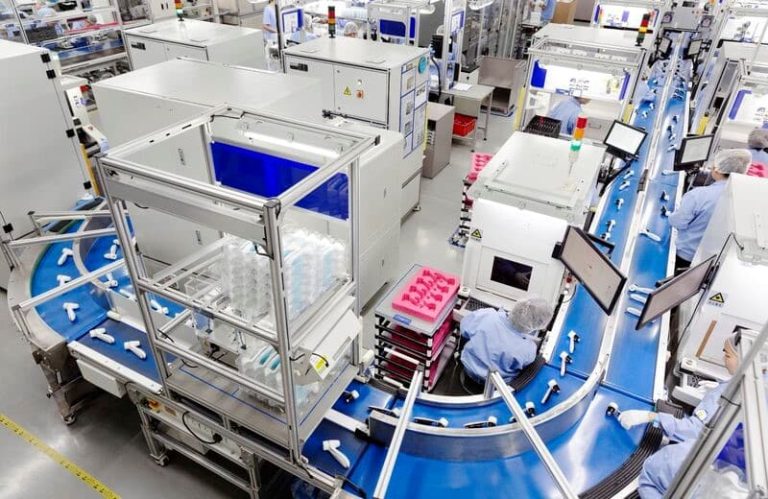
What is Clean Room Injection Molding?
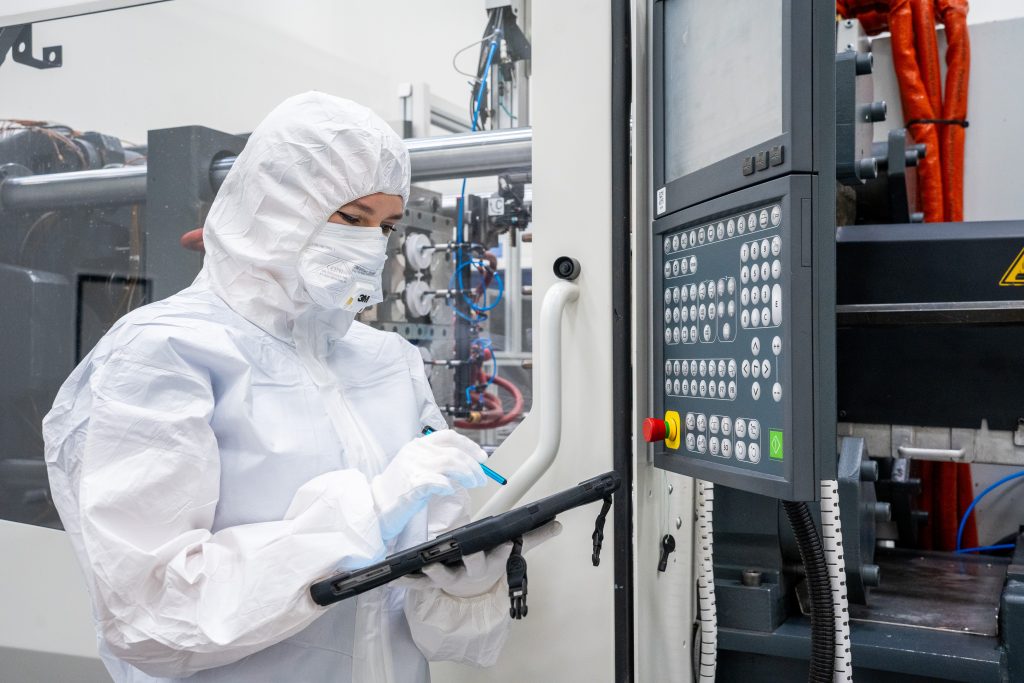
Clean room injection molding is a specialized manufacturing process designed to produce high-precision plastic components in a strictly controlled environment.
Within the medical sector, where patient safety, regulatory compliance, and product integrity are critical, clean room manufacturing plays a vital role in ensuring components are produced free from contamination. By combining advanced injection molding technology with cleanroom controls, manufacturers can consistently meet the stringent quality standards required for medical devices and healthcare applications.
Key points covered in this article:
- Injection molding in clean rooms: Production of plastic and silicone parts in controlled environments to prevent contamination, especially for medical and precision components.
- ISO classification: Clean rooms follow ISO 14644 standards (e.g., Class 7 and 8) to control particle levels and maintain stable production conditions.
- Essential for sensitive industries: Critical for medical, pharma, optics, and electronics where contamination can impact safety and performance.
- Strict controls and validation: Require specialized facility design, filtration, and validated processes to ensure compliance and consistent quality.
What is injection molding in clean rooms?
Injection molding in cleanrooms refers to the production of plastic parts within an environment where airborne particles, temperature, and humidity are carefully regulated. This approach is essential for medical components that must meet high cleanliness and performance requirements, such as single-use devices, diagnostic components, and pharmaceutical packaging.
What defines a clean room?
A clean room is a controlled environment engineered to limit the presence of airborne particles and other potential contaminants. Clean rooms are classified according to air cleanliness standards, which define the maximum number of particles permitted per cubic meter of air.
In medical injection molding, the most commonly used classifications include:
- ISO Class 7 – Suitable for many medical device manufacturing processes where a high level of contamination control is required.
- ISO Class 8 – Often used for less sensitive medical components or secondary operations such as assembly and packaging.
Beyond particle control, clean rooms also regulate temperature and humidity to ensure consistent material behavior and process stability. These environmental controls help prevent defects, maintain dimensional accuracy, and support repeatable, validated manufacturing processes.
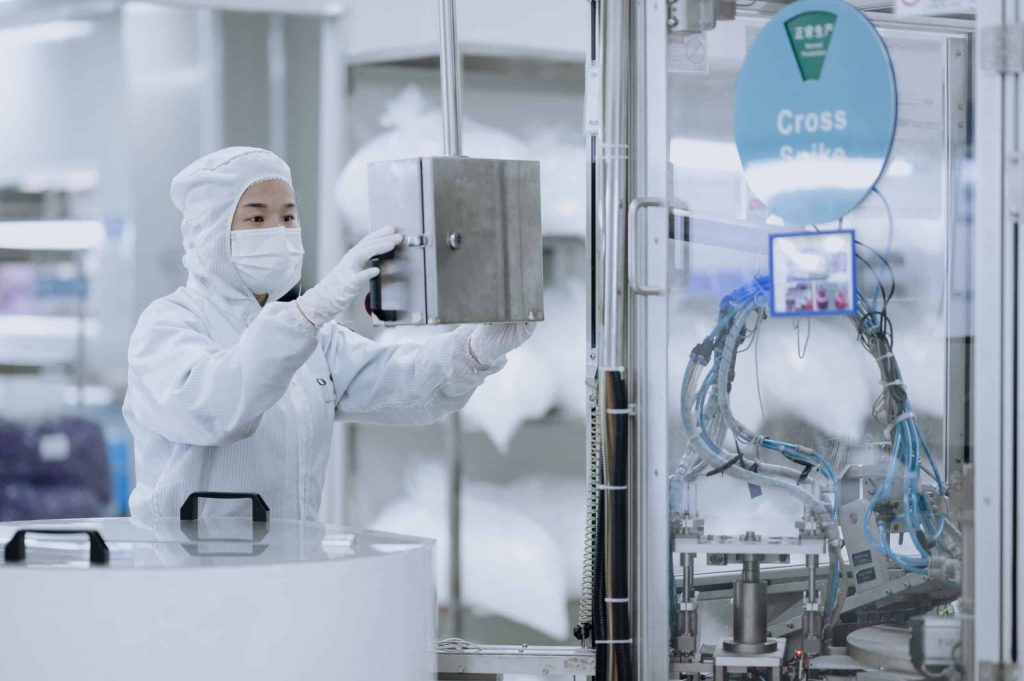
The basics of injection molding in a clean room
Injection molding in a clean room minimizes contamination risks by enclosing the entire manufacturing process within a controlled environment. This significantly reduces exposure to dust, microorganisms, and other airborne contaminants that could compromise medical components.
Compared to standard manufacturing environments, injection molding in clean room settings involves
- Controlled airflow and filtration systems to maintain air cleanliness
- Strict gowning and operational procedures for personnel
- Enhanced monitoring and validation of environmental conditions
While conventional injection molding focuses primarily on efficiency and output, clean room injection molding prioritizes product safety, compliance, and consistency, all of which are essential for medical and healthcare applications.
Why clean room molding is necessary for sensitive industries
Sensitive industries such as medical, pharmaceutical, optics, and electronics demand manufacturing environments that go far beyond standard production controls. Clean room molding is essential where even microscopic contamination or process variation can affect product performance, safety, or regulatory compliance. By maintaining strict environmental conditions, clean room injection molding supports the production of high-quality components used in critical applications.
Meeting regulatory needs for medical devices
Medical device manufacturing is governed by stringent regulatory frameworks designed to ensure patient safety and product reliability. Clean room molding helps manufacturers meet key compliance requirements, including those set by the FDA and the EU Medical Device Regulation (MDR), particularly for surgical components, implantable parts, and diagnostic devices.
Producing components in a clean room environment reduces the risk of particulate contamination and bioburden, supporting validated manufacturing processes and traceability. This controlled approach is essential for achieving the levels of cleanliness required for medical products, helping manufacturers deliver components that meet sterility, safety, and quality expectations throughout the product lifecycle.
Applications in pharma, optics, and electronics
Beyond medical devices, clean room molding is essential in several high-precision industries:
Pharmaceutical Applications
- Enables production of high-purity packaging
- Used for drug delivery components and closures
- Prevents contamination that could affect product safety or effectiveness
Optics and Electronics
- Used to manufacture sensor housings, optical components, and precision enclosures
- Protects sensitive parts from microscopic defects, dust, and static particles
- Helps prevent performance issues or product failure
Why does clean room precision injection molding matter?
- Eliminates environmental contamination
- Maintains tight dimensional accuracy
- Ensures high-quality surface finish
- Protects overall part functionality
Facility and Design for Clean Room Injection Molding
An effective clean room facility is fundamental to achieving consistent quality and regulatory compliance in medical manufacturing. Injection molding clean room design integrates controlled environments, specialized equipment, and disciplined operational practices to minimize contamination risks throughout the production process. A well-designed injection molding clean room supports repeatability, efficiency, and long-term process validation.
Essential Injection Molding Clean Room Design Elements
Air handling is one of the most critical aspects of clean room design
HEPA Filtration Systems
- Remove airborne contaminants
- Capture fine particles to maintain air purity
Positive Air Pressure
- Ensures clean air flows outward
- Prevents particles from entering from adjacent areas
Specialized Airflow Patterns (e.g., Laminar Flow)
- Maintain consistent cleanliness levels
- Protect molding machines and critical process zones
Layout and zoning are equally important. Clean room facilities are typically divided into clearly defined areas, separating the classified molding environment from support functions such as raw material preparation, tooling maintenance, and packaging. This zoning approach reduces cross-contamination risks and supports compliance with ISO 14644 cleanliness classifications.
Machinery and Equipment Requirements
Machinery selection plays a key role in maintaining clean room conditions. Non-contaminating equipment, such as all-electric injection molding presses, is commonly preferred due to their low particle generation, reduced lubricant use, and precise process control. These machines also support energy efficiency and consistent part quality.
To further protect cleanliness, controlled material transfer systems are used to move polymers and components into the clean room without exposure to external contaminants.
Material handling systems help maintain cleanroom integrity:
Closed-loop conveying systems
- Minimize exposure to airborne contaminants
- Protect materials during transfer
Sealed containers
- Prevent contamination during storage and transport
- Maintain material cleanliness before processing
Automated handling solutions
- Reduce manual contact
- Lower the risk of human-introduced contamination
Maintain environmental integrity throughout the molding process.
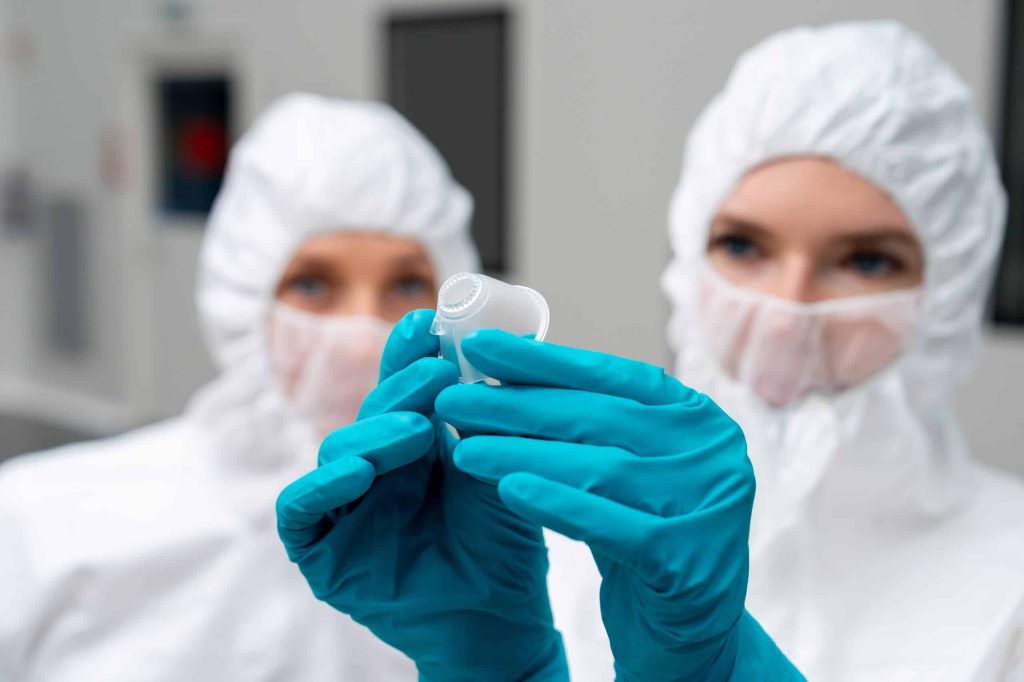
Operational cleanroom injection molding requirements
Beyond facility design and equipment, successful cleanroom injection molding depends on strict operational controls. Comprehensive protocols govern personnel behavior, including gowning procedures, hygiene practices, and controlled movement within the cleanroom.
Material handling and maintenance activities are also tightly regulated. Raw materials must be approved, stored, and introduced in a controlled manner, while cleaning and equipment maintenance follow validated procedures to prevent contamination. Together, these operational requirements ensure that cleanroom injection molding processes remain stable, compliant, and capable of meeting the demanding standards of the medical sector.
Specialized processes and compliance
Manufacturing plastic and silicone components for the medical sector requires more than standard injection molding capabilities. It requires specialized processes, tightly controlled environments, and strict adherence to international quality and regulatory standards. Cleanroom injection molding plays a critical role in ensuring patient safety, product reliability, and full regulatory compliance.
Cleanroom LSR injection molding (Liquid Silicone Rubber)
Cleanroom LSR Injection Molding is essential for producing high-purity, contamination-free components used in sensitive medical applications. Liquid Silicone Rubber (LSR) is widely chosen for medical devices due to its biocompatibility, flexibility, chemical resistance, and ability to withstand sterilization processes. However, these benefits can only be fully realized when LSR components are manufactured in controlled cleanroom environments.
Specialized cleanrooms minimize particulate contamination, microbial exposure, and environmental variability during production. This is particularly critical for medical-grade LSR parts that come into direct or indirect contact with patients.
Typical applications of cleanroom LSR Injection molding include:
- Seals and gaskets for medical devices
- Membranes and diaphragms
- Flexible medical components used in drug delivery, diagnostics, and surgical equipment
By combining advanced molding technology with cleanroom controls, manufacturers can deliver consistent, high-quality LSR components that meet stringent medical requirements.
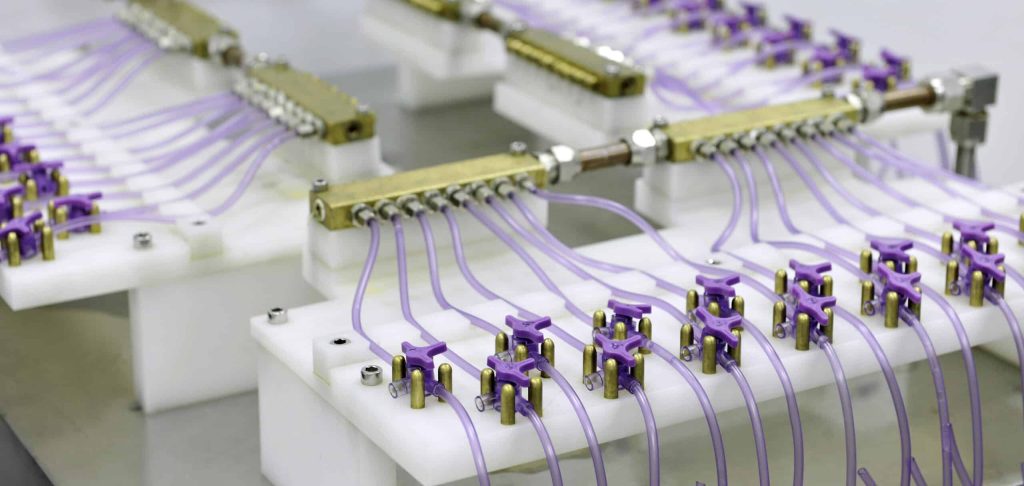
Adhering to cleanroom injection molding standards
Compliance is a cornerstone of medical manufacturing. Adhering to recognized cleanroom injection molding standards ensures that every component is produced under validated, repeatable, and traceable conditions.
A robust quality management system, such as ISO 13485, provides the framework for controlling processes, managing risk, and meeting regulatory expectations across global markets. This includes documented procedures, change control, and continuous improvement.
Equally important are validation protocols, including:
- Installation Qualification (IQ) to confirm equipment is installed correctly
- Operational Qualification (OQ) to verify processes operate within defined limits
- Performance Qualification (PQ) to demonstrate consistent, real-world production performance
Together, these measures provide full traceability and process control, reducing risk and ensuring compliance with cleanroom injection molding standards throughout the product lifecycle.
Partnering with Rosti for certified cleanroom manufacturing
Choosing the right manufacturing partner is critical for medical device companies navigating complex regulatory landscapes. Rosti offers certified cleanroom manufacturing solutions designed to support compliance, quality, and scalability.
Rosti’s expertise in injection molding cleanroom operations
Rosti brings extensive experience in injection molding cleanroom operations, supported by internationally recognized ISO cleanroom classifications and medical manufacturing certifications. Its global footprint and standardized processes ensure consistent quality across regions, while deep technical expertise supports complex medical and LSR applications.
By operating within certified cleanroom environments and following strict validation and quality protocols, Rosti helps customers mitigate risk, maintain regulatory compliance, and accelerate time to market.

Reliable and compliant manufacturing
In the medical sector, there is no margin for compromise. Cleanroom LSR injection molding, adherence to cleanroom injection molding standards, and validated manufacturing processes are essential for delivering safe, reliable medical components.
By partnering with Rosti an experienced manufacturer, medical device companies gain access to certified cleanroom capabilities, proven quality systems, and a trusted partner committed to compliance and risk mitigation.
Looking for a reliable cleanroom manufacturing partner for your next medical project? Contact Rosti to learn how our certified injection molding solutions can support your regulatory and performance requirements.