News,
Rosti: Delivering Outstanding Services for the Sustainable Growth of the Automotive Industry
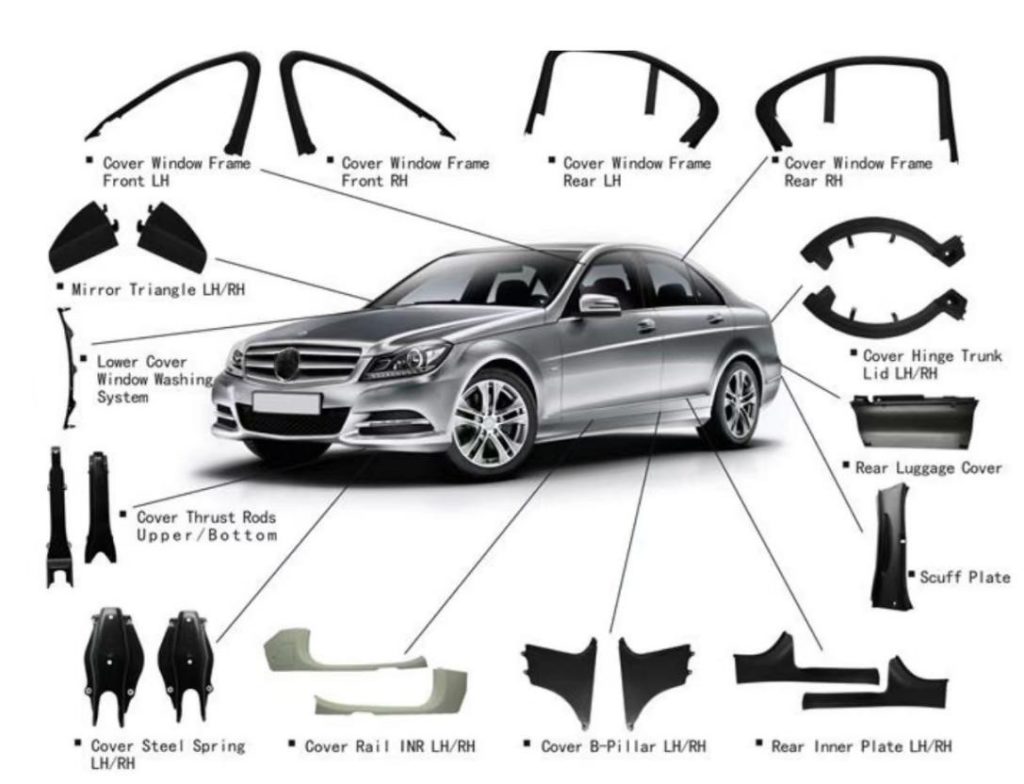
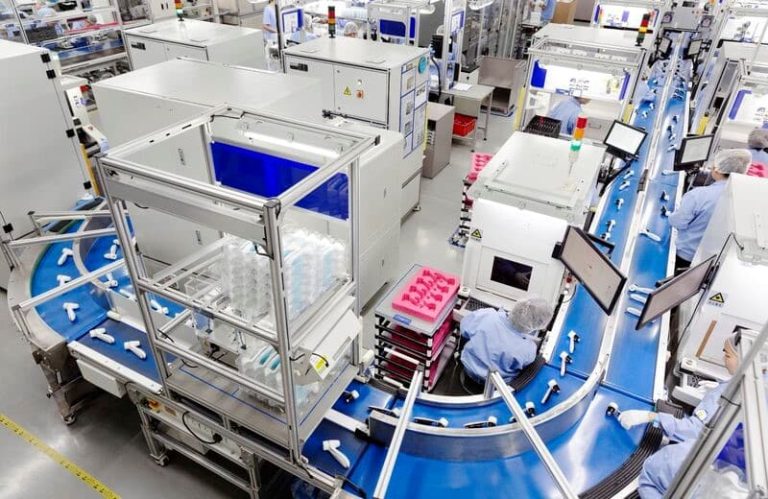
Plastics play a vital role in automotive manufacturing.
With the ongoing promotion of energy-saving initiatives and emission reductions in the automotive industry, the trend toward lightweighting—replacing metal with plastic components—has become one of the most effective methods to lower car emissions and boost combustion efficiency. In this regard, injection molding technology also enables the integrated production of automotive parts, thereby increasing production efficiency in the automotive sector.
As competition in the automotive market gets tougher, companies are accelerating product development to keep pace with rising market demand for unique innovations. This puts greater pressure on the design and R&D capabilities of precision structural parts manufacturers, driving molding technologies like injection molding to evolve towards higher precision, faster speed, greater stability, and advanced material performance.
In addition, the rapid growth of Electric Vehicles (EVs) has accelerated the lightweighting trend since range is a major concern for EV users, and vehicle weight is a key factor affecting driving range. Statistics show global EV sales reached 10.0912 million in 2022, making up 14% of the overall market; in China, EV numbers also surpassed 10 million in 2022 and are expected to reach 19 million in 2023.
In the era of electrification, smart manufacturing and green production, new injection molding technologies play a crucial role in promoting the sustainable development of the automotive industry. As a technology leader in precision injection molding and contract manufacturing with 79 years of history, Rosti serves numerous automotive manufacturers worldwide. Rosti continues to expand new business in the new energy vehicle sector with advanced precision equipment and a strong commitment to sustainable operations.
Rosti’s Innovations in Precision Injection Molding and Additive Manufacturing
Based in Malmö, Sweden, Rosti is a technology leader in precision injection molding and contract manufacturing, with 12 manufacturing plants and five innovative R&D centers across Europe, Asia, and the Americas. With 26 years of injection molding experience in the automotive industry, Rosti’s products are widely used for structural and decorative parts for Mercedes-Benz, BMW, Land Rover, Volkswagen, Volvo, and BYD. In recent years, as EVs have grown, Rosti’s injection molded parts and components have expanded into areas like charging stations and battery equipment.
With innovative, recyclable, and sustainable solutions, Rosti has become the preferred partner for its customers.
How does Rosti serve clients with a 72-hour turnaround from concept design to mass production? In addition to highly automated equipment and a quality-focused team, the advantages of technological innovation are key factors.
For example, traditional injection molding requires longer cycle times and higher investment, but today’s automotive industry has much higher demands for new product development speed. Some components cannot be made using injection molding, which is why additive manufacturing has emerged as another solution. Based on digital model files, additive manufacturing uses bonding materials such as powdered plastics to make plastic parts. Objects are built layer by layer without the need for molds. By lowering costs and speeding up product development and time to market, it has become increasingly popular with automotive manufacturers.
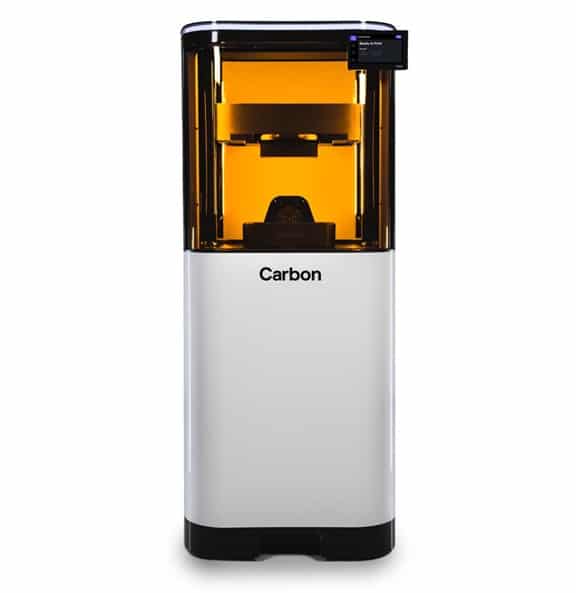
Given these challenges, it is essential to find reliable long-term partners who can quickly print samples, perform verification, and accelerate development. Rosti has successfully implemented the M3 printer from U.S. 3D printing company Carbon, becoming the first injection molding manufacturer in Asia to use Carbon’s latest advanced M3 printer. Finished parts can be quickly printed and mass-produced, with applications across consumer, industrial, automotive, medical, and other fields—helping partners capture a broader market.
What’s more, today’s vehicles are becoming more like trendy consumer products. The importance of aesthetics—inside and out—is growing, and consumers expect greater ease of use. Rosti’s technologies, including thermal sublimation technology, RHCM technology, IMD (in-mold decoration), and IME (in-mold electronics), can fully meet end customer needs.
The drive for sustainability
Currently, driven by global sustainable development initiatives and China’s dual carbon goals, sustainability is becoming a must for companies, and carbon footprint is emerging as an unseen green trade barrier for multinational businesses. Rosti operates 12 production facilities worldwide, unified by a mission to protect the environment—striving to prevent any plastic particles from being discharged during production.
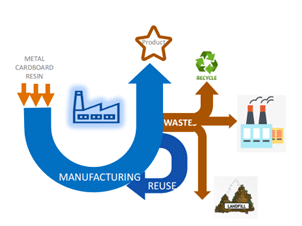
By carefully monitoring and controlling inputs and outputs throughout its operations, Rosti strives to eliminate waste and reduce environmental impact, using lean tools and techniques to evaluate current performance. Continuous improvement activities are ongoing to expand sustainable business with a long-term vision; currently, Rosti Group’s scrap reuse rate is about 75%.
Rosti has already achieved strong results in green resin utilization, as well as sustainable design, recycling, and operations. In 2022, six types of green resin made up 10% of Rosti’s total resin use, and the Suzhou plant’s air purifier customers use 500 tons of PCR plastic pellets each year. Major progress has been made in product lightweighting, design simplification, and recyclability. Rosti has developed recyclable customer solutions, such as refurbishing and reusing decoder housings. In 2022, the group recycled 75% of all waste. Each facility saves over 200,000 euros in energy annually, cutting CO2 emissions by more than 10%. Renewable energy accounts for 57% of the total energy used in its facilities, with plants in Poland, Sweden, and Romania achieving 100% renewable energy use.
Notably, the RHCM technology developed by Rosti allows parts to achieve a high-gloss finish without secondary surface treatment, which reduces assembly, improves scratch and wear resistance, and helps customers avoid painting—all while meeting design, aesthetic, and process requirements. Compared to conventional coated injection molded parts, RHCM technology can reduce CO2 emissions by over 40%; when combined with recycled resin, CO2 reductions can exceed 80%.
All these efforts show how Rosti is dedicated to meeting customer requirements across various industries and complying with environmental protection laws and regulations. By applying systematic management standards and maintaining system certifications to ensure business continuity, Rosti guarantees excellent services to customers in different industries as it pursues sustainable production.