5 Ways Lights-Out Manufacturing Has Transformed Injection Molding
The trend among North American manufacturers of plastic parts to outsource work to South America or overseas is shifting back toward reshoring — keeping production processes in-house and within the United States. After decades of offshoring for financial reasons, wages in emerging economies have now risen significantly.
Additionally, the high transportation costs and complex supply chain involved with offshoring cause precision problems, product delays, and disruptions that can no longer be ignored and are certainly now being factored into the total product cost. To help drive cost, quality, and time efficiencies for customers, many American manufacturers have moved toward “lights-out” technology.
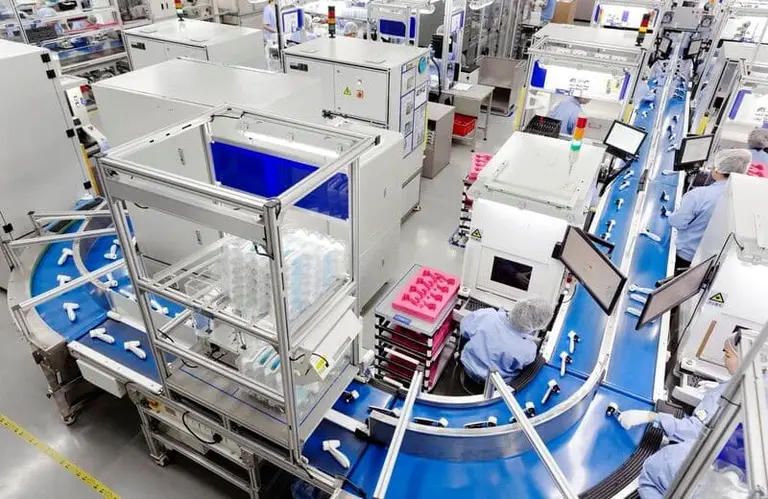
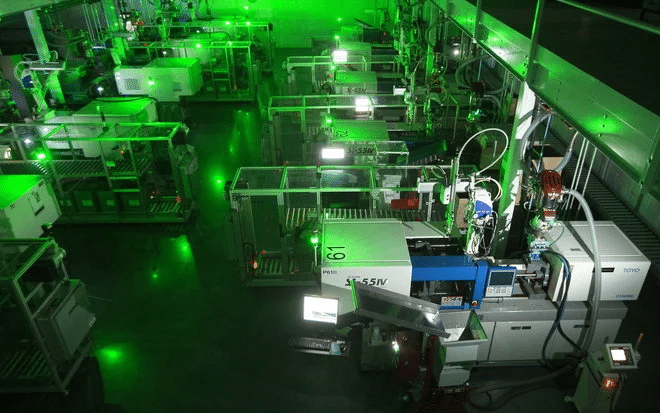
Lights-out manufacturing refers to the process where factories and production facilities are equipped with innovative, automated machinery to perform tasks that would normally require a human presence. In essence, the production facility can run “lights-out”—meaning with little to no human labor, lighting, heating, or other typical business costs. Lights-out manufacturing processes also let companies operate around the clock—24 hours a day, 7 days a week—without needing multiple workforce shifts.
The progress in automation and lights-out manufacturing processes has greatly impacted the plastics industry. It hasn’t just helped businesses improve costs and turnaround times; it’s also enabled plastic part producers to reduce the likelihood of defects and increase the overall quality of the products made.
Here are five other ways lights-out manufacturing has changed injection molding.
1. It has helped U.S. manufacturers gain a global competitive edge.
When designing and producing complex machined parts, there are big benefits to partnering with someone who is local and only a short drive or flight away. Many companies now recognize the value of having manufacturing partners close by. The ability to respond quickly and make important changes in a tight timeframe is an important factor for choosing a manufacturer. When production facilities use advanced processes like lights-out manufacturing, it shows their partners that they operate and make parts as efficiently as possible.
2. It lets large orders be completed quickly, without the higher costs usually associated with extra shifts.
When lights-out manufacturing processes are set up and carefully monitored, companies see increased production capacity and much faster order completion. While it isn’t a fit for every job, automated molding is ideal for medium- and high-volume jobs—around 2,000 hours per year or more.
3. It gives greater ability to meet requirements for quality control, delivery, and cost containment.
The capacity, speed, and labor efficiencies that lights-out manufacturing creates can be passed on to customers—ultimately lowering overall product costs. When managed well, the process also boosts OEM production flexibility.
4. It requires a highly trained, dedicated workforce to manage and maintain state-of-the-art equipment and processes.
When discussing automation and lights-out manufacturing, most of the focus is on the positive aspects of reducing human labor. While the process streamlines production and may require fewer people, not all projects can run entirely lights out. State-of-the-art technology and processes demand a highly trained, dedicated workforce capable of making smart decisions and maintaining equipment.
5. It provides an extra layer of protection for intellectual property.
When product manufacturers depend on innovation and speed to market to stay competitive, offshoring parts of production can expose designs to patent infringement, counterfeiting, and more. Working with a reputable, knowledgeable partner who manages everything from design and development to production in one location ensures the manufacturer protects and keeps all intellectual property and any insights gained throughout the process.
Further advancements in automation and lights-out manufacturing are happening every day. One important consideration is that no matter how much technology evolves, lights-out methodology doesn’t let a business operate fully without people. In fact, it needs a knowledgeable workforce skilled at planning, programming, maintenance, and more. The most accurate way to look at it is that automation works alongside people, not instead of them. It’s a chance for manufacturers to streamline and improve how their teams work on a day-to-day basis.
How has your production process benefited from automation or lights-out manufacturing?