Unsere globale Expertise im Bereich medizinisches Spritzgießen mit Gustav Reingsdahl

Wir sprechen mit Gustav Reingsdahl über die Entwicklung des globalen Marktes für medizinisches Spritzgießen und die strategische Rolle, die Rosti als vertrauenswürdiger Auftragsfertigungspartner – von der Idee bis zur Realität – spielt.
Welche Themen haben sich 2024 im Bereich des Kunststoffspritzgießens im medizinischen Markt herauskristallisiert?
Im Jahr 2024 haben sich mehrere wichtige Trends im Bereich Kunststoffspritzgießen gezeigt, insbesondere im medizinischen Sektor. Zu den bedeutendsten gehören:
Nachhaltigkeit und biologisch abbaubare Materialien
Die Medizinbranche steht zunehmend unter Druck, ihren ökologischen Fußabdruck zu reduzieren. In diesem Jahr beobachten wir eine verstärkte Hinwendung zu nachhaltigen Polymeren, darunter biologisch abbaubare und recycelte Materialien.
Fortgeschrittene Automatisierung und Smart Manufacturing
Die Integration von Automatisierung, Robotik und KI-gesteuerten Qualitätskontrollsystemen hat weiter an Dynamik gewonnen. Besonders der medizinische Bereich setzt auf Smart Manufacturing, um Präzision zu verbessern, Abfall zu reduzieren und die Produktionseffizienz zu steigern.
Herausforderungen bei der Regulierung und Materialkonformität
Die sich ständig ändernde regulatorische Landschaft beeinflusst weiterhin die Materialauswahl und Fertigungsprozesse. Durch strengere Vorgaben der FDA und der EU-MDR müssen Hersteller medizinischer Produkte sicherstellen, dass Kunststoffkomponenten neue Anforderungen an Biokompatibilität und Sterilisation erfüllen. Dies führt zu einer erhöhten Nachfrage nach fortschrittlichen Materialtests und Konformitäts-Nachverfolgung im Spritzgießprozess.
Resilienz der Lieferkette und Nearshoring-Trends
Die in den letzten Jahren erlebten Störungen haben medizinische Hersteller dazu veranlasst, ihre Lieferketten neu zu überdenken. Viele haben sich für Nearshoring oder Reshoring ihrer Produktion entschieden, um Zuverlässigkeit zu gewährleisten, Durchlaufzeiten zu verkürzen und Lokalisierungspolitiken zu erfüllen. Dieser Trend beeinflusst, wie Spritzgießunternehmen Materialien beschaffen und ihre Abläufe strukturieren, um wettbewerbsfähig zu bleiben.
Insgesamt war 2024 für den Bereich Kunststoffspritzgießen – insbesondere im medizinischen Markt – ein Jahr der Innovation und Anpassung. Mit wachsender Nachfrage nach Präzision, Konformität und Nachhaltigkeit müssen Hersteller diesen Entwicklungen voraus bleiben, um in einem sich wandelnden Markt wettbewerbsfähig zu bleiben.
Wie unterstützen Rostis Fähigkeiten und globale Technologien dabei, Produkte schneller auf den Markt zu bringen?
Beschleunigte Markteinführung durch den Einsatz unserer Digital Technovation Center mit Carbon® M3-Druckern, die die Digital Light Synthesis Drucktechnologie nutzen
In unserem Innovation Lab bieten wir Rapid-Prototyping-Services an, darunter 3D-Druck und Soft-Tooling, sodass wir Produktdesigns schnell testen, verfeinern und validieren können. Dies verkürzt die initiale Entwicklungsphase erheblich und stellt sicher, dass potentielle Probleme frühzeitig erkannt und behoben werden.
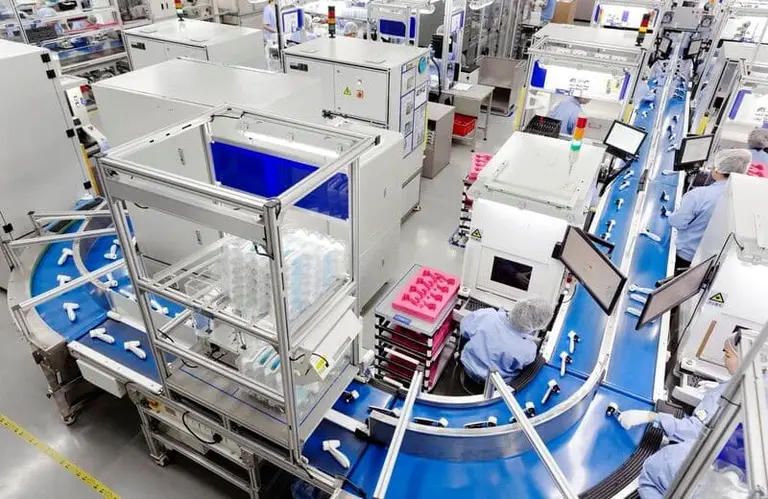
Wir bieten einen vollständig integrierten Design-to-Manufacturing-Ansatz, der Produktentwicklung, Präzisionsspritzguss, Montage und Verpackung unter einem Dach abdeckt. Dadurch entfallen unnötige Verzögerungen durch das Outsourcing unterschiedlicher Produktionsschritte, was den gesamten Prozess reibungsloser und effizienter macht.
Die Medizinbranche ist stark reguliert, und die Einhaltung der Vorgaben stellt oft eine komplexe Herausforderung dar. Rosti verfügt über umfassende Erfahrung in der nach ISO 13485 zertifizierten medizinischen Fertigung und arbeitet eng mit den Kunden zusammen, um sicherzustellen, dass alle Materialien und Prozesse die neuesten behördlichen Anforderungen erfüllen – so werden mögliche Hürden bei der Marktzulassung vermieden.
Mit Fertigungsstätten in Europa, Asien und Nordamerika bieten wir unseren Kunden strategische geografische Vorteile. Unsere Fähigkeit zum Nearshoring reduziert die Durchlaufzeiten, optimiert die Logistik und sorgt für die Einhaltung regionaler Vorschriften, sodass eine schnellere Markteinführung gewährleistet ist. Darüber hinaus sorgt unser flexibler Produktionsaufbau für einen reibungslosen Übergang vom Prototyping in Kleinserien bis hin zur Großserienfertigung – und das bei gleichbleibender Kosteneffizienz.
Wie profitiert Rosti von der gestiegenen Bedeutung von Nachhaltigkeit und der Zusammenarbeit mit den richtigen Partnern?
Da der Ruf nach umweltfreundlicher Fertigung lauter wird, haben wir eine Reihe nachhaltiger Praktiken umgesetzt: Materialinnovationen, Designoptimierungen wie Gewichtsreduzierung und Recyclingfähigkeit, operative Effizienz und Fokus auf grüne Energie.
Nachhaltigkeit ist inzwischen keine Option mehr, sondern eine Notwendigkeit. Wir verfolgen einen proaktiven Ansatz, indem wir umweltfreundliche Verfahren, verantwortungsbewusste Materialbeschaffung und fortschrittliche Fertigungstechnologien integrieren, damit unsere Kunden innovative, hochwertige und nachhaltige Produkte am Markt platzieren können.
Welche Trends werden Ihrer Meinung nach die Medizinbranche im Jahr 2025 prägen?
Ein Trend, den wir beobachten und der sich weiter verstärken wird, ist das Wachstum im Bereich Home-Health & Wearable Health: Mit der zunehmenden Akzeptanz von Fernüberwachung, Heimdiagnostik und Wearables wächst auch der Bedarf an miniaturisierten, hochpräzisen Kunststoffkomponenten. Rosti investiert in Hochpräzisions-Spritzgießtechnologien, um die komplexen Anforderungen der neuen Generation von tragbaren und für den Heimgebrauch bestimmten Geräten zu erfüllen.
Nachhaltigkeits- und Kreislaufwirtschaftsinitiativen werden immer wichtiger, insbesondere im Gesundheitswesen, wenn es darum geht, Abfall und CO2-Fußabdruck zu reduzieren. Rosti arbeitet hier eng mit einigen Kunden zusammen, um herauszufinden, wie wir sie dabei unterstützen können, ihren CO2-Fußabdruck zu begrenzen.