


The call for personalised products and smart devices is getting louder – also in the cosmetics industry. This is not only about the cosmetic formulations that are applied to the skin, but about devices to help analyse, compose, and formulate individualised products. Patrick Williams knows the market and what the devices need to be able to do, he share his thoughts with COSSMA.
Consumers are demanding personalisation across all categories of products, and the beauty industry is under pressure to offer environmentally friendly, artificial intelligence (AI) enabled devices which are integrated into the internet of things (IoT) ecosystem.
The beauty industry’s adoption of technology is growing from skincare and skin tone analysis, identifying dark spots, fine lines and wrinkles, personalised cosmetic colour customisation, and hair care, to AI-assisted fragrance and personalised lip colour mixing devices. Companies across the entire value chain from origination to plastic injection molding have to respond to remain competitive.
Consumers are becoming more and more selective, demanding more personalised product experiences which match their lifestyle. To meet these demands, innovative products require IoT connectivity functions such as bluetooth, wireless charging, radio-frequency identification (RFID), and consumer- compliant data collection and analysis, to enable customised treatment options in real-time.
In recent years, there has been an explosion in IoT devices in consumer sectors which touch personal well-being. A report by market data forecast predicts the worldwide beauty devices market to develop at a compound annual growth rate (CAGR) of 20.2% from 2022 to 2027; from USD 46.18 billion in 2022 to USD 115.87 billion in 2027.

It is now widely accepted that for brands to succeed in a highly competitive market, new products need to leverage data and connectivity to personalise the customer experience.
Many companies have the conceptual design skills to devise revolutionary products to deliver the required experiences to end users. The challenge now exists in being able to source all the components and raw materials, and in finding an experienced and reliable partner to take their ideas through production.
It is therefore critical for brand owners to source the right contract manufacturing partner which understands not only consumer devices and plastic manufacturing process, but also IoT devices to bring their concept to reality with speed and reliability.
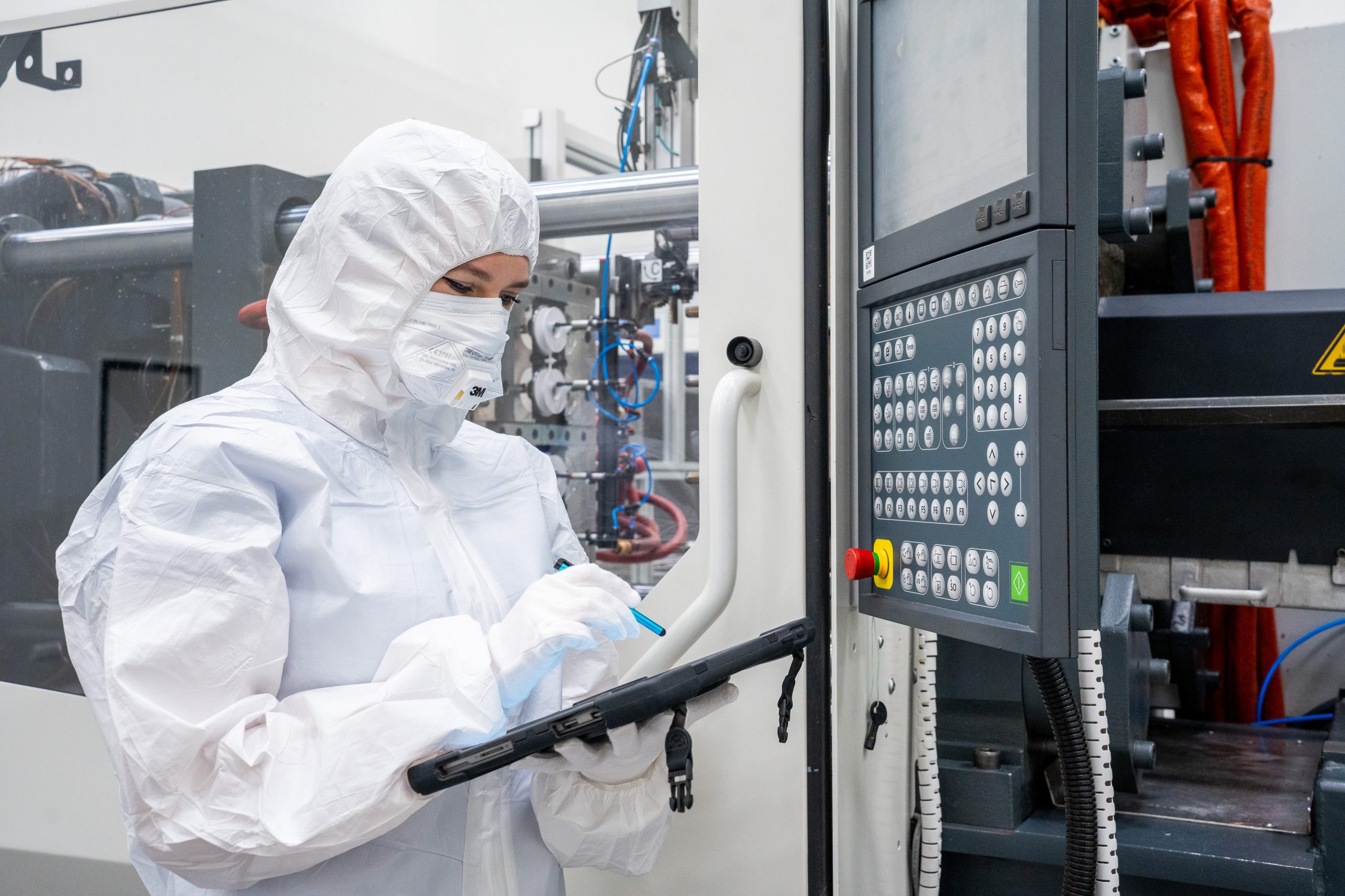
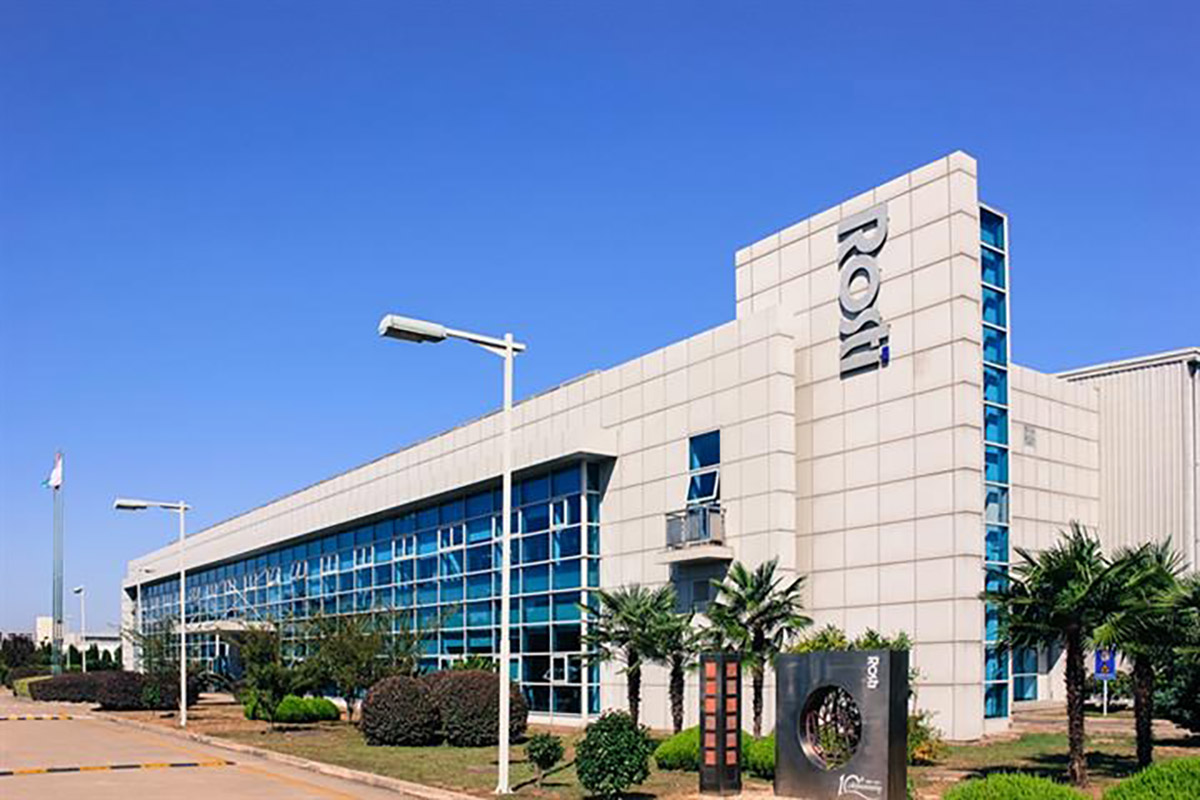
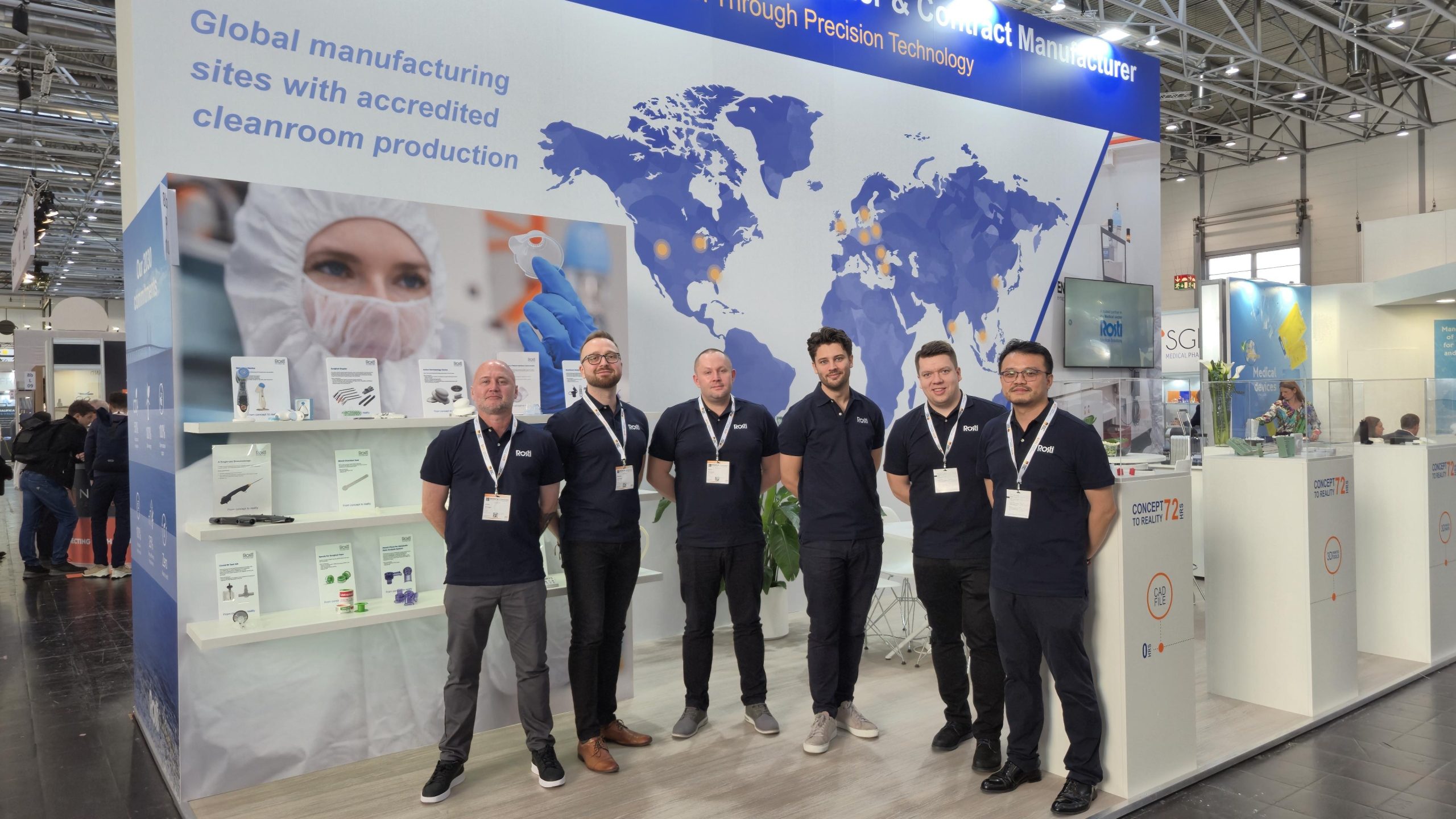
A recent example is a smart beauty product project, an international plastic molding group with facilities in nine countries, which after two years of design and product development was ready to go to the market in the second half of 2022.
In this case, the key advantage of operating in-house innovation centres was the ability to shorten the development cycle using 3D printed injection mould tools in design intent materials.
This accelerated approach can take a design from concept to reality in just 72 hours. The innovation centres also included an electronic laboratory, further strengthening the design capabilities for electromechanical functionality and validation testing, a key ingredient for product reliability and compliance with international regulations.
The future?
Smart beauty devices are being used to offer personalisation to consumers, but they will also enable new business models based on usage and recommendations, which means that these devices will need to be longer-lasting and more sustainable.
Consumer awareness and a focus on sustainability mean that any manufacturing partner selected within the value chain needs to be able to demonstrate its impact on the environment, and the responsible sourcing of materials.
There is an initiative for example to reduce the thickness of materials and to use in mould labelling to reduce material usage. As beauty care and healthcare devices converge in terms of data collection and connectivity, the ability of a plastics molding vendor to embed these new technologies into the design and build phases of new products will create a cosmetically attractive proposition which is more than skin deep.


Environmental Sustainability in Plastic Injection Molding
At Rosti, sustainability is more than a policy—it is the foundation of how we design, manufacture, and deliver solutions. As a global injection molder with over 80 years of expertise,…
Read More
Plastic Injection Molding 101
This guide will walk you through a comprehensive overview of the plastic injection molding process from design through production – including essential elements of molding.
Read More
Advancements in Producing Production Quality Plastic Prototypes
Advancements in production quality prototypes have evolved significantly in recent years.
Read More
E-mobility Guide
Rosti works with some of the world’s leading producers to face up to the manufacturing challenges in e-mobility. This is a sector with rapid growth – driven by environmental pressures…
Read More
Scientific Molding
It’s not hard to understand how computing and innovation have positively impacted industries of all types over the past 35 plus years. The injection molding industry is no exception. Plastic…
Read More
Metal to Plastic Conversion Guide
This guide will help you understand the metal to plastic conversion process, its benefits, and how to partner with your injection molder to collaborate on all design for manufacturability elements.
Read More