From reverse engineering to production success: My experience leading a production transfer from China to India
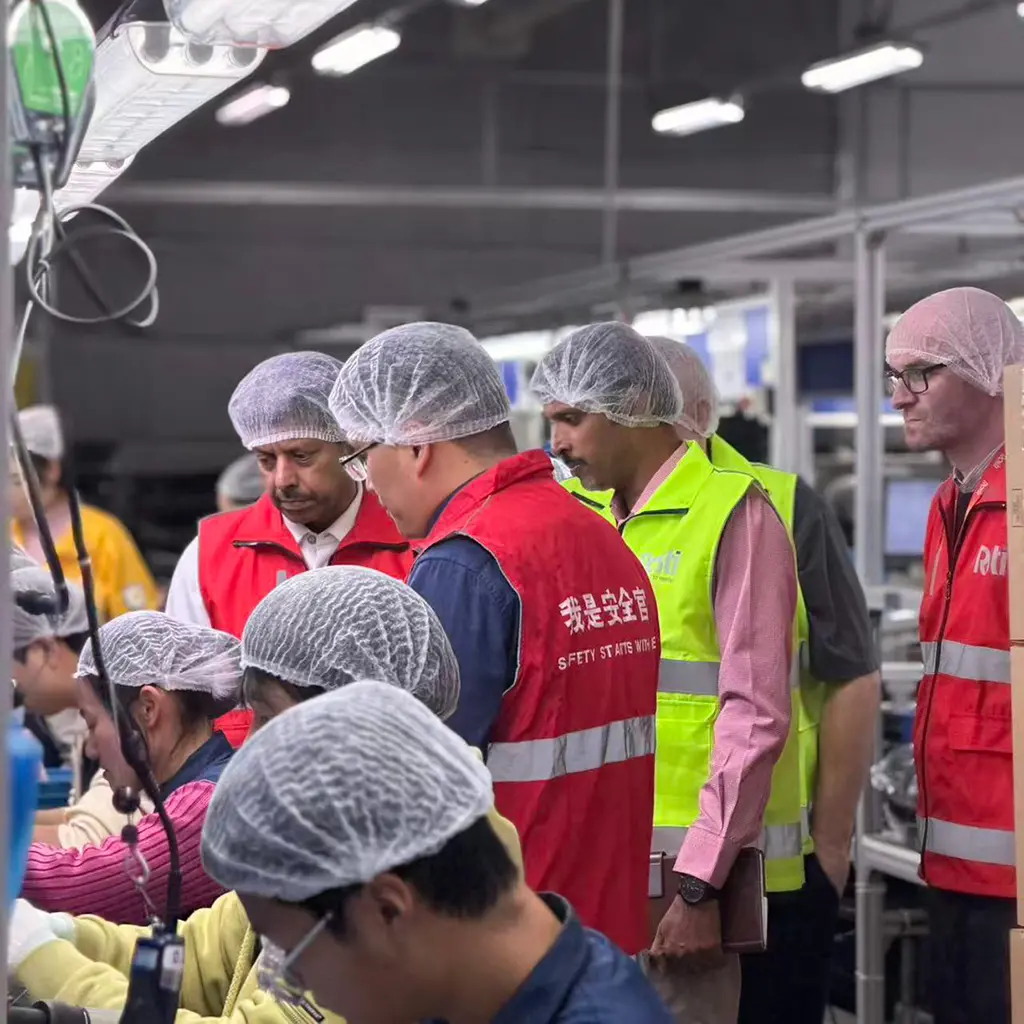
When I look back on my career at Rosti, one project immediately comes to mind.
I’m Tony Shen, Project Manager at Rosti China, and I’ve had the chance to lead many complex manufacturing programs. But overseeing the transfer of this customer’s production from China to India was unlike anything I’d experienced before. It tested not just my technical knowledge, but also my leadership, communication, and ability to unite people across countries, cultures, and time zones.
At Rosti, every project brings opportunities for innovation, but this one pushed our whole team further than ever. As project manager, I was responsible for coordinating product development in China and making sure the manufacturing transfer to our new facility in India went smoothly. It wasn’t just about moving production. We had to reverse engineer an entire product, build manufacturing capability from scratch, and launch production in two countries—all within an incredibly tight schedule.
Starting with a blank canvas
One of the first things that stood out to me about this project was how little information we had.
Unlike a typical product launch, our customer couldn’t provide complete design data. Instead, we received physical samples, but the available specifications didn’t completely match the products themselves. I remember thinking that before we could even start planning production, we first had to understand exactly what we were being asked to manufacture.
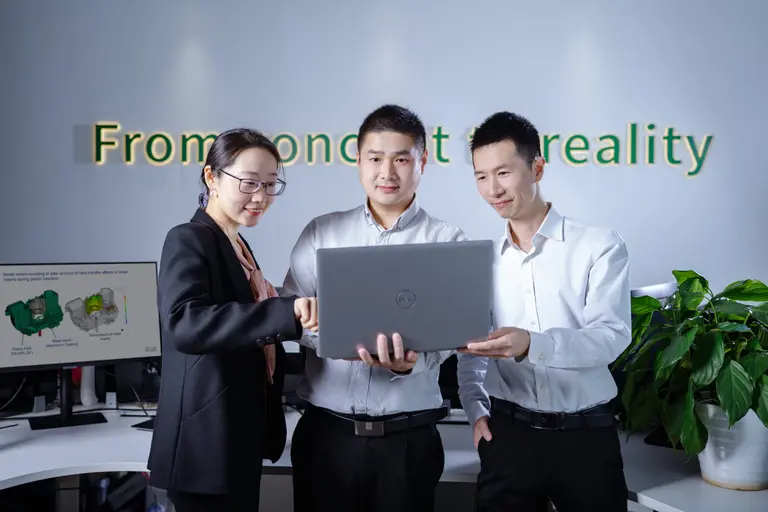
Our engineering team met the challenge head-on, reverse engineering every detail using advanced scanning and validation techniques. Watching the team digitally rebuild an entire product from physical samples reminded me just how much expertise there is at Rosti.
The scale of the project quickly became clear. With over 250 bill of materials (BOM) components, it became one of the most complex products Rosti China has ever managed.
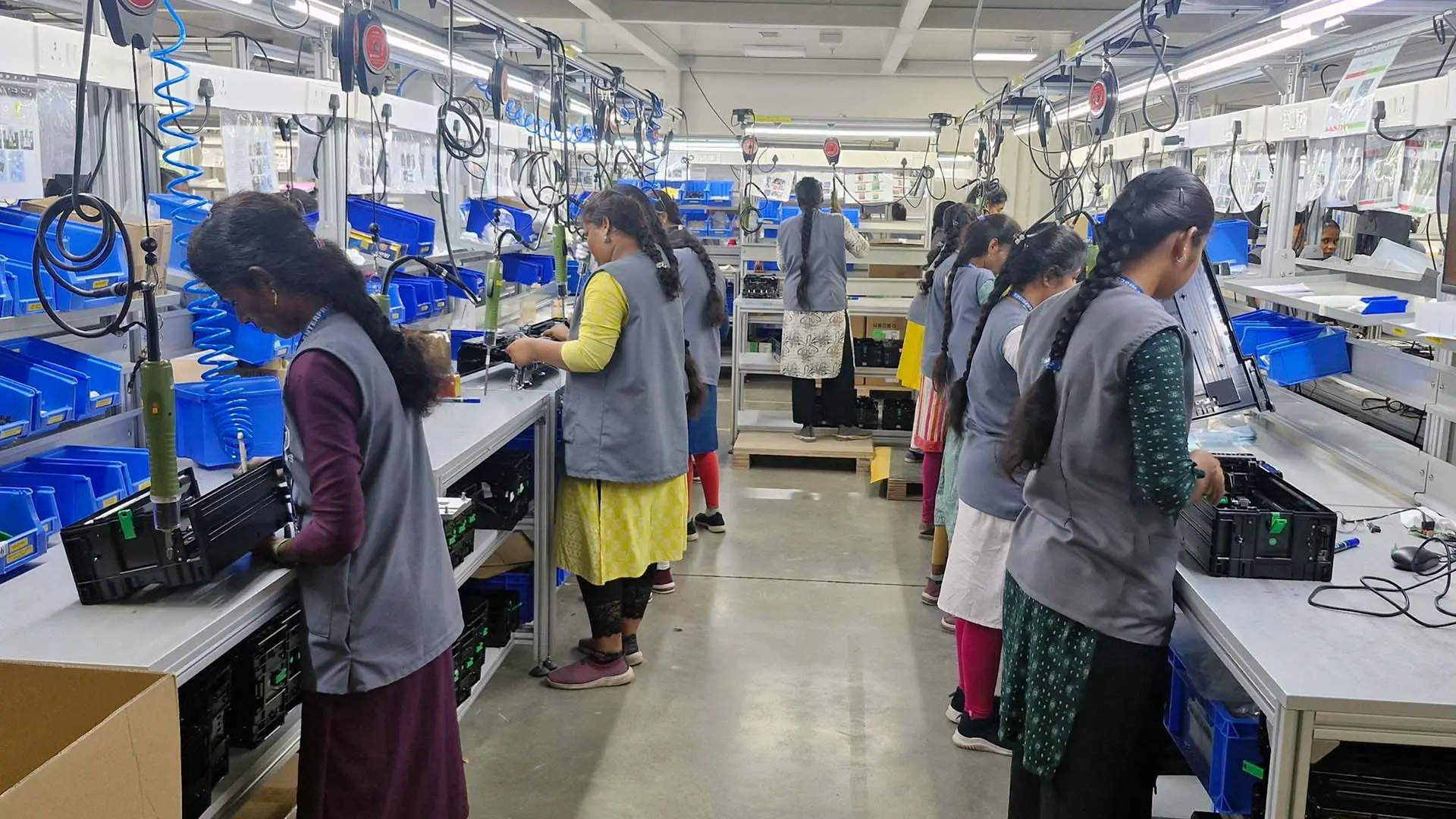
At the same time, we were getting ready for production at two locations. While supporting manufacturing in Suzhou, we were also helping set up operations at our brand-new facility in Chennai, India. The factory itself was still under construction as we prepared for production, so in many ways, we were building both the product and the manufacturing environment at the same time.
To add even more pressure, our customer had a fixed deadline after their previous supplier stopped production. From June to December 2025, we had only six months to finish a project that would normally take much longer.
There wasn’t much room for mistakes.
Key milestones along the journey
The program kicked off in January 2025 when we received the customer’s physical samples. That set off an intensive reverse engineering effort to recreate complete product designs without the original engineering data.
In the months that followed, tooling, validation, and qualification activities moved forward at the same time across Rosti China and our new Rosti India facility. Even though the Chennai site was still being built, both teams worked closely together to keep the momentum going and solve problems as they came up.
Seeing the project come together piece by piece was incredibly rewarding. By December 2025, Rosti China had achieved Start of Production (SOP), qualifying 120 plastic tools and delivering all 250 components to spec. Two months later, in February 2026, Rosti India also reached SOP, marking the successful manufacturing transfer to a fully operational facility.
For me, those milestones meant far more than production dates—they were proof of what coordinated global teamwork can accomplish.
The biggest challenge: Transferring more than production
Looking back, the biggest challenge wasn’t manufacturing.
It was the people.
The product was completely new to our team in China, and our colleagues in Chennai were about to manufacture it for the very first time. They weren’t just learning a new product—they were building an entirely new operation.
I quickly realized that success depended on much more than creating work instructions or moving tooling. We needed to transfer experience, judgment, and confidence.
That meant staying in constant communication and having everyone willing to learn from each other.
Building strong communication across countries
Working across China and India naturally brought language and cultural differences.
At first, meetings sometimes ran longer than expected because each team had different ways of communicating and explaining technical matters. Instead of seeing that as a problem, I encouraged everyone to slow down, ask more questions, and never assume everyone understood things the same way.
We increased the number of video meetings, shared more visual information, and—most importantly—spent more time visiting each other’s sites.
Those face-to-face conversations made a huge difference. Once people knew each other personally, collaboration got much easier. Trust grew quickly, discussions opened up, and problems were solved much faster.
For me, this reinforced a key lesson: successful global manufacturing always starts with strong relationships.
The hardest skills to transfer
Technical documentation can always be shared.
Experience cannot.
What proved far more difficult was helping newer teams develop the instincts that experienced manufacturing engineers build over many years.
The two capabilities that mattered most were recognizing potential production risks before they became real problems and having the confidence to react quickly when unexpected challenges occurred.
Those skills don’t come from manuals. They come from working together, mentoring one another, and creating an environment where people feel comfortable asking questions and sharing ideas.
My proudest moment
People often ask what I am most proud of about this project.
It isn’t that we delivered on time.
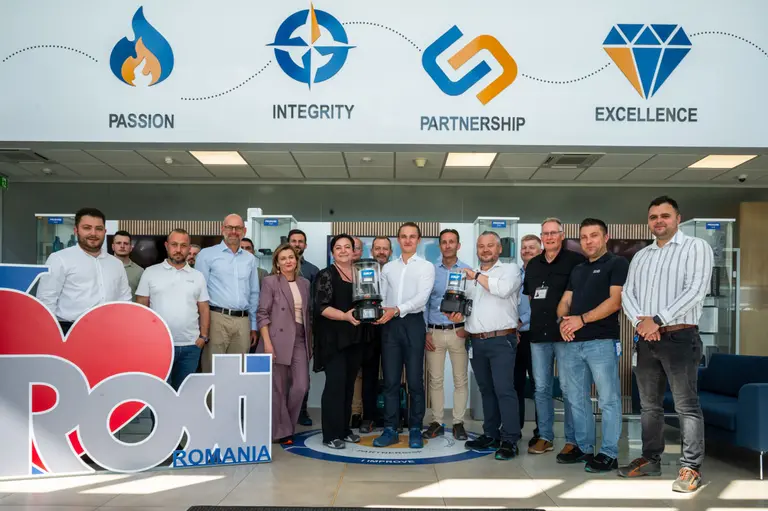
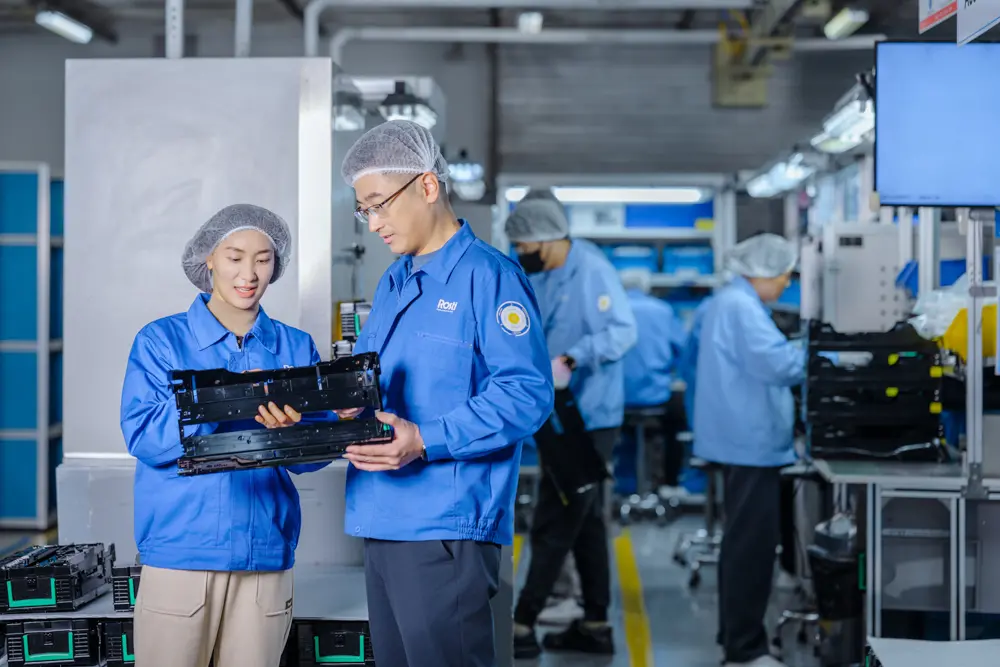
It’s seeing how two teams, located in different countries and coming from different backgrounds, truly became one team.
Throughout the project, everyone was willing to step outside their normal responsibilities. Engineers shared lessons learned openly, production teams discussed problems before they escalated, and knowledge flowed continuously between China and India.
As a project manager, watching that culture develop was incredibly satisfying. By the end of the program, the project no longer felt like a transfer between two factories; it felt like one global team working toward the same goal.
One lesson every manufacturing engineer should remember
If there’s one lesson this project reinforced for me, it’s that complex manufacturing depends on strong processes.
When you’re managing products with hundreds of components, every detail matters. Clear process controls, effective part identification, in-process verification, and visual marking systems are essential to prevent missing components, incorrect assembly, and quality issues from reaching the customer.
Strong manufacturing processes don’t just improve quality—they give people confidence. And confident teams make better decisions.
Delivering manufacturing excellence across global operations
This project demonstrated what can be achieved when engineering expertise, collaboration, and shared commitment come together.
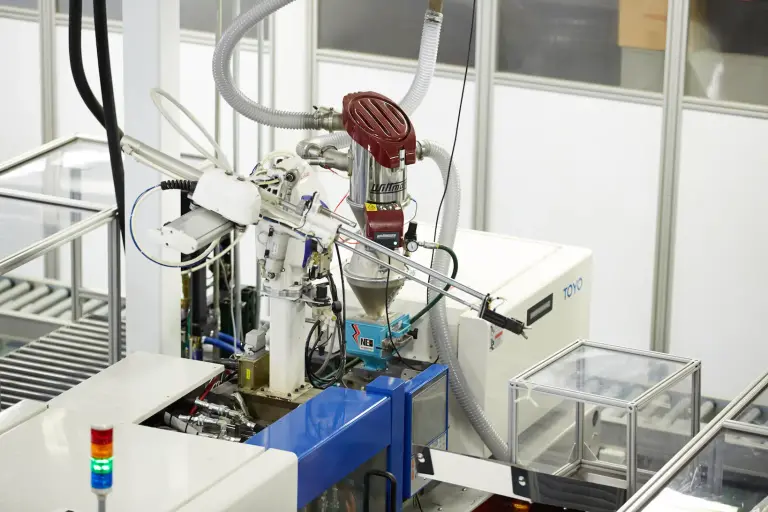
By combining reverse engineering, precision injection molding, structured knowledge transfer, and close collaboration between Rosti China and Rosti India, we successfully delivered one of the most complex manufacturing transfer programs in Rosti’s history.
For me personally, this project changed the way I think about production transfers. Equipment, tooling, and processes are all important, but they’re only part of the story. The real success comes from transferring knowledge, building capable teams, and creating an environment where people trust each other enough to solve challenges together.
That is the lesson I will carry forward into every future project.
Looking for a trusted partner to support your next production transfer? Discover how Rosti helps customers deliver complex manufacturing projects with confidence.