Why early collaboration can unlock up to 25% product cost savings

Reducing product costs in plastic injection moulding is rarely about finding a single, dramatic change. More often, it comes from making a series of informed decisions throughout the product development process. From material selection and part design to tooling, manufacturing and assembly, the choices made early in development have a significant impact on the final cost, quality and manufacturability of a product.
For manufacturers developing plastic injection moulded products and components, engaging a manufacturing partner early can unlock significant commercial benefits. At Rosti Group, early collaboration with customers can create opportunities to reduce overall product costs by more than 20%, with savings of up to 25% achievable in the right circumstances. These savings are not limited to the moulding process itself. They can come from optimising materials, refining product design, improving tooling strategies and enhancing manufacturing and assembly processes before key decisions become fixed.
Why early product development decisions reduce costs
In our engineering teams’ experience once a product reaches its design freeze, around 70% of its lifetime cost has already been determined. At this stage, opportunities to introduce meaningful changes become significantly more limited, as any modifications may require new tooling, material requalification or product recertification. These additional costs can often outweigh the benefits of making incremental improvements later in the product lifecycle.
By involving manufacturing specialists earlier in the design process, businesses have greater flexibility to explore alternative materials, simplify component designs, optimise production methods and remove unnecessary complexity before costs become locked into the product.
How Value Analysis and Value Engineering (VAVE) identifies savings
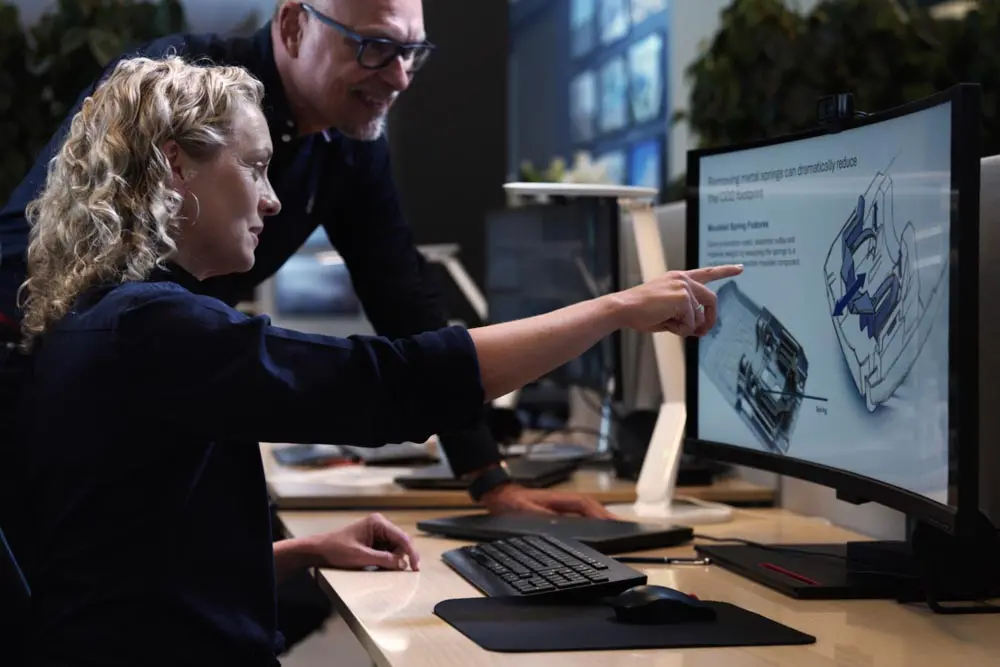
This is where Value Analysis and Value Engineering (VAVE) becomes particularly valuable.
Rather than focusing on every component equally, VAVE provides a structured approach to identifying the areas that will have the greatest impact. In many products, a relatively small proportion of components accounts for the majority of the overall product cost. By understanding the function of these high-value parts and challenging whether there are better ways to achieve the same outcome, opportunities can often be found to simplify designs, reduce material usage, optimise manufacturing or consolidate components without affecting product performance.
The earlier this process begins, the more opportunities there are to implement meaningful improvements.
The role of Rosti’s Innovation & Sustainability Centres
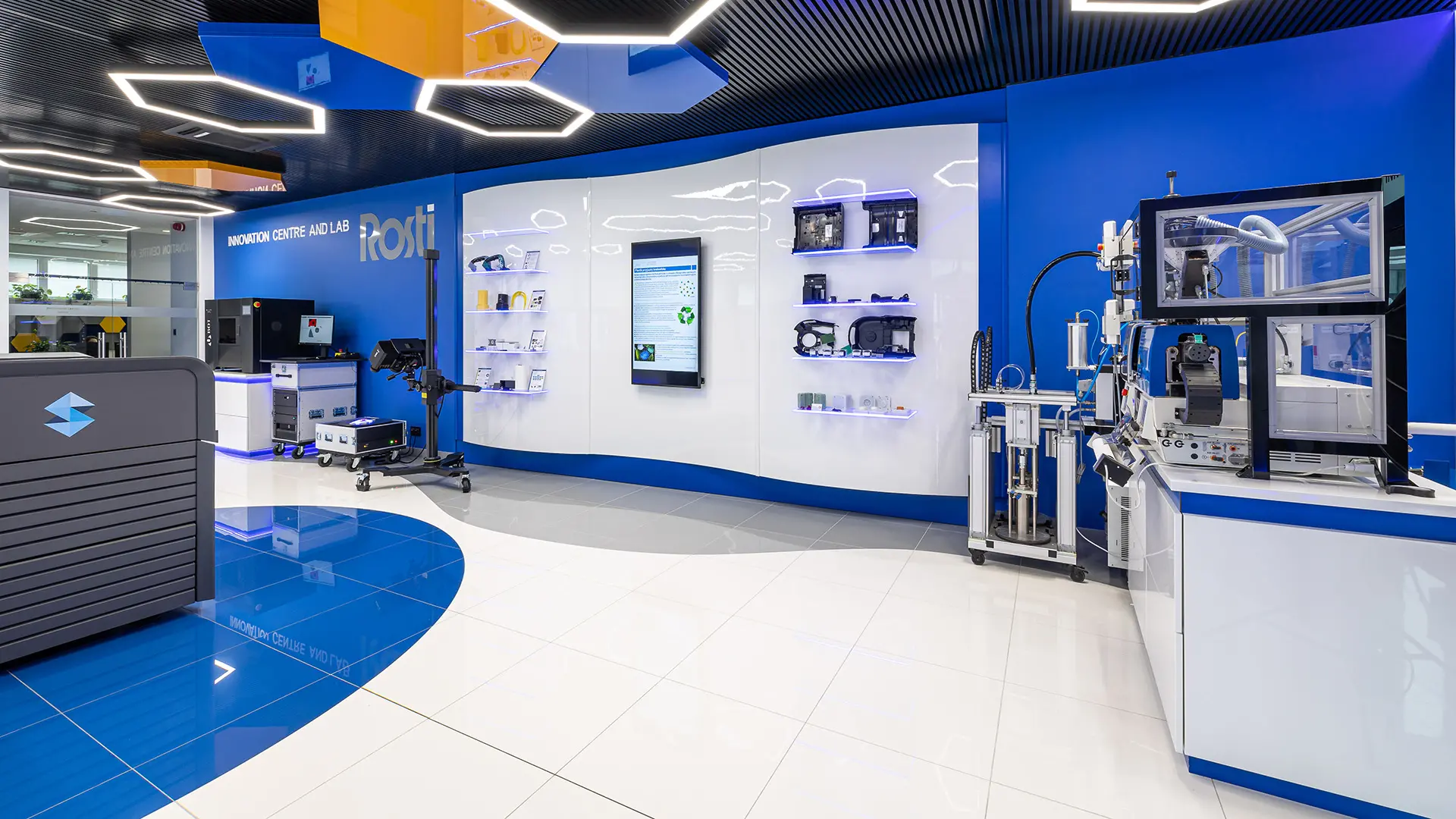
Rosti’s Innovation & Sustainability Centres support manufacturing sites and customers by bringing together engineering expertise, design capability and manufacturing knowledge to explore these opportunities. Working alongside customers, the teams evaluate potential design improvements, alternative materials, manufacturing efficiencies and process optimisation, helping identify practical changes that deliver measurable commercial value.
In one recent VAVE programme, analysis showed that just 10% of the product’s bill of materials represented 77% of its total cost. By concentrating improvement efforts on those high-value components, the project delivered a 20% reduction in overall product cost, with the majority of the savings generated through changes to only two components. While every product is different, it demonstrates how targeted engineering can deliver significant results when effort is focused in the right areas.
Cost reduction and sustainability can go hand in hand
Many of the same improvements identified through VAVE can also support wider sustainability objectives. Simplifying assemblies, reducing material consumption, combining components and removing unnecessary manufacturing or logistics steps can all contribute towards lowering a product’s carbon footprint while simultaneously reducing production costs.
Although VAVE is valuable throughout a product’s lifecycle, its greatest impact is realised during the design phase. At this stage, design flexibility is at its highest, allowing performance, cost and manufacturability improvements to be made with minimal disruption before production begins.
Collaboration delivers the greatest long-term value
Ultimately, successful cost reduction is a collaborative process. While engineering expertise and manufacturing knowledge are essential, the best results are achieved when customers actively participate, dedicating the time and resources needed to review opportunities together. Early engagement creates greater flexibility, accelerates implementation and unlocks savings that become increasingly difficult to achieve later in the product lifecycle.
“The single biggest factor in achieving meaningful cost savings is customer engagement. The earlier we work together and the more resource customers commit to the process, the greater the opportunity to implement improvements quickly and realise significant long-term value.”