Why industrial technology manufacturers need more from their manufacturing partner
For manufacturers operating in the industrial technical market, choosing a plastic injection moulding partner is rarely just a question of who can hit a tolerance. It’s a question of who can hit that tolerance today, next year and for the lifetime of a programmes that may run for a decade or more.
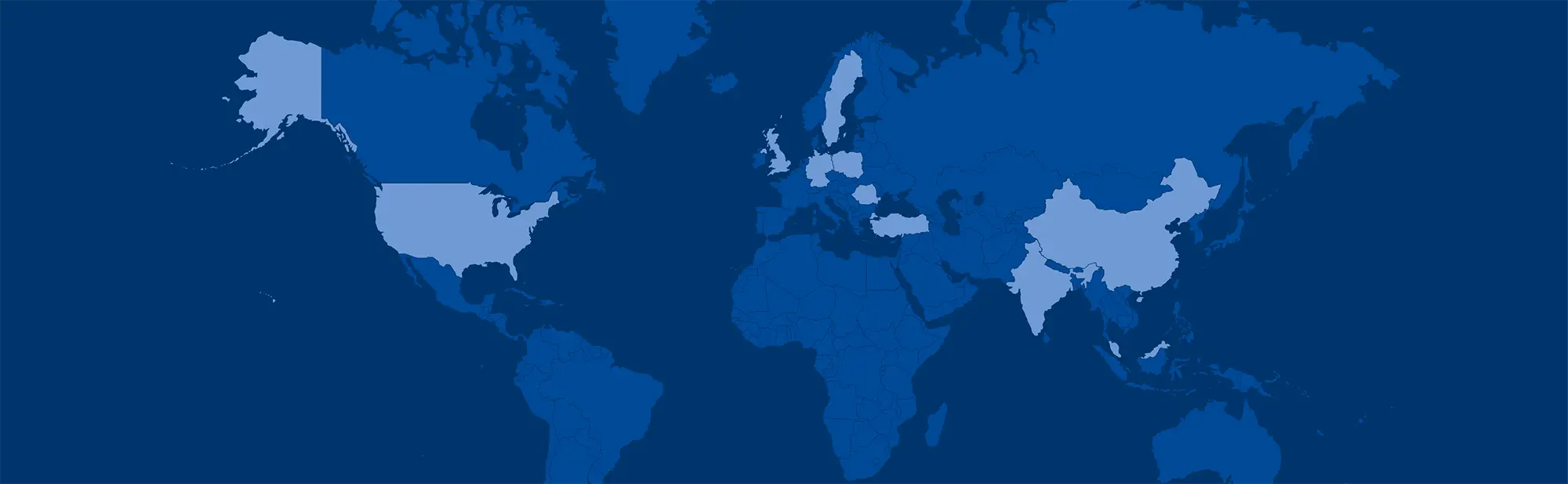
That combination, technical precision matched with long-term financial resilience is what separates a component supplier from a genuine manufacturing partner. It is also the combination Rosti has been built around, a global plastic injection moulding and contract manufacturing group with 13 sites across Europe, Asia and North America and around 2,500 employees delivering that capability day to day.
As industrial and technical OEMs face longer programme lifecycles, tighter specifications and a more volatile global economy, the two can no longer be evaluated separately.
Why precision alone isn’t enough
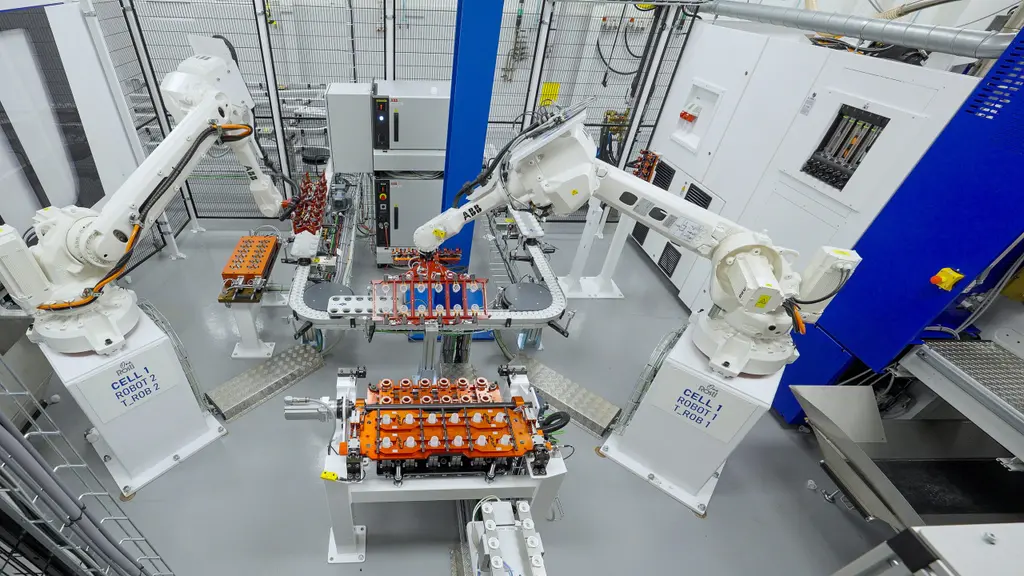
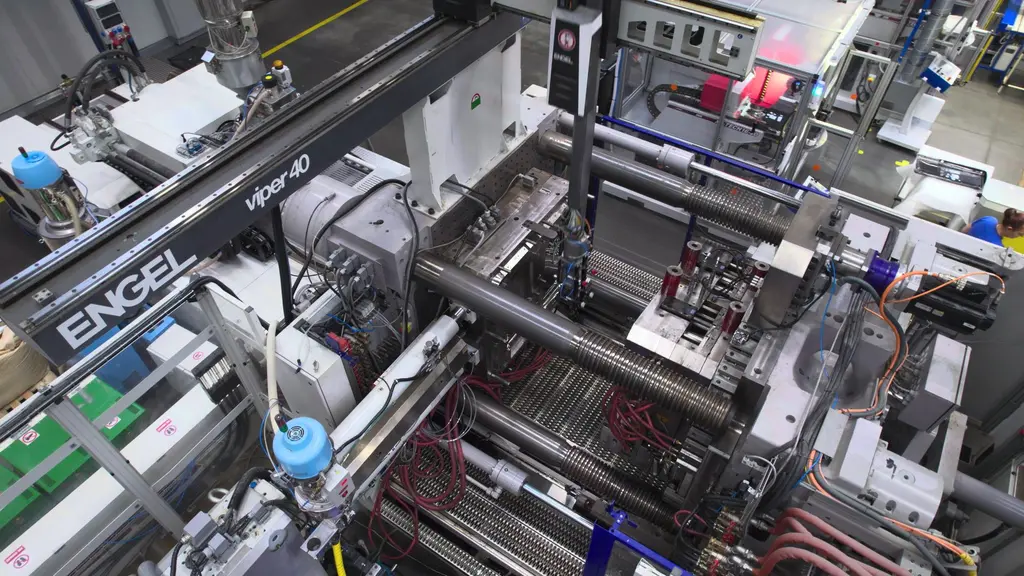
Industrial technical components, electrical housings, precision clips, technical enclosures, high-performance engineered parts often carry some of the tightest tolerances and most demanding material specifications in plastic manufacturing. Delivering that consistently at volume requires real technical depth: micro-moulding capability for small, highly intricate parts, multi-cavity tooling for high-volume programmes and the process control to keep every cavity, every shot, within specification.
Automation is central to that consistency. Lights-out manufacturing cells, running with minimal operator intervention, remove variability from the equation and allow production to scale without a corresponding increase in risk. Combined with the use of digital quality measurement processes and in-process monitoring, this is what allows tight-tolerance components to be produced reliably at industrial volumes rather than as one-off precision pieces. It’s the same quality discipline behind Rosti’s seven ISO 13485-certified sites, a standard developed for medical device manufacturing, that shapes how we approach process control and traceability across our wider industrial technical operations.
But technical capability is only half the picture. A moulding partner can have the best tooling and the most advanced automation in the world and still be the wrong choice, if there is no certainty they’ll still be operating to that standard three, five or ten years from now.
Why financial stability belongs in the same conversation: investing in innovation, capability and customer value
Industrial technical programmes tend to run long. Tooling investment is significant; qualification cycles are rigorous and switching suppliers mid-program is expensive and disruptive. That makes the financial health of a manufacturing partner a technical risk factor, not just a commercial one.
A financially stable partner can pay suppliers on time, keep raw material supply uninterrupted and continue investing in new equipment and technology even when markets are volatile.
Ownership structure plays a part here too: as part of Nordstjernan, a family-controlled, foundation-owned investment house founded in 1890, we benefit from a long-term perspective and a strong commitment to sustainable value creation.
Rosti benefits from patient, long-term capital rather than the short-term pressures that can come with more transactional ownership models. It is also what allows a manufacturer to invest ahead of demand, in cleanroom capacity, in automation, in new sites. Rather than only reacting once a customer’s order book has already grown. That distinction matters: a partner reacting to demand is always a step behind; a partner investing ahead of it is building the capacity a customer will need before they ask for it.
Financial independence also shapes how flexibly a manufacturing group can operate. Commercial and technical teams that aren’t tied to defending a single site’s utilisation are free to match each project to whichever facility offers the right capability, capacity and cost position, rather than the nearest one with space on the schedule.
Building the right capabilities for our customers, whatever the economic environment
The current economic backdrop makes this combination more relevant, not less. Trade policy shifts, tariffs, and geopolitical uncertainty are pushing manufacturers to reconsider where and how their components are made, often with little notice and less room for error.
A global manufacturing footprint gives industrial technical OEMs a genuine hedge against that uncertainty: the ability to shift production between regions, localise manufacturing closer to end markets and reduce exposure to any single country’s trade or regulatory environment. With 13 sites spanning three continents, that flexibility is a structural advantage rather than a contingency plan.
That is only useful though, if the partner behind it has the financial and operational depth to execute a production transfer without disrupting supply – detailed planning, risk assessment and safety stock built in from the start, rather than worked out after the fact.
What this looks like in practice
For an industrial technical manufacturer evaluating a moulding partner, that means asking questions that go beyond the data sheet:
- Can this partner demonstrate process control and repeatability at the tolerances our components demand – not just in a sample part, but across a full production run?
- Do they have the automation and multi-cavity tooling to scale volume without a corresponding increase in variability or risk?
- What is their financial position and does it support continued investment in capacity and technology over the life of our programme?
- If the supply chain needs to shift, to a new region, a new site, or in response to changing trade conditions, do they have a track record of managing that without disrupting production?
- Is their global network structured so that our project gets matched to the most suitable site for the customer, rather than whichever site has spare capacity?
The manufacturers best positioned to answer “yes” to all five are the ones building the kind of long-term, resilient partnerships that industrial technical programmes require.
Precision and stability, together
Precision manufacturing and financial resilience aren’t separate criteria to weigh against each other. They are two expressions of the same thing: a partner’s ability to deliver consistently, at scale, over time. It’s why Rosti has built its business around both, combining 13 sites, seven ISO 13485-certified facilities and the backing of Nordstjernan’s long-term ownership with the technical depth to take on the industry’s most demanding programs.
For industrial technical manufacturers, partner resilience should sit at the top of the evaluation, alongside the tolerance sheet. If you are weighing up what to look for in your next manufacturing partner or want to see how Rosti’s global network and financial strength could support your next programmme please get in touch with our team to discuss your requirements.