Rosti Malaysia: Delivering scalable manufacturing excellence across Southeast Asia
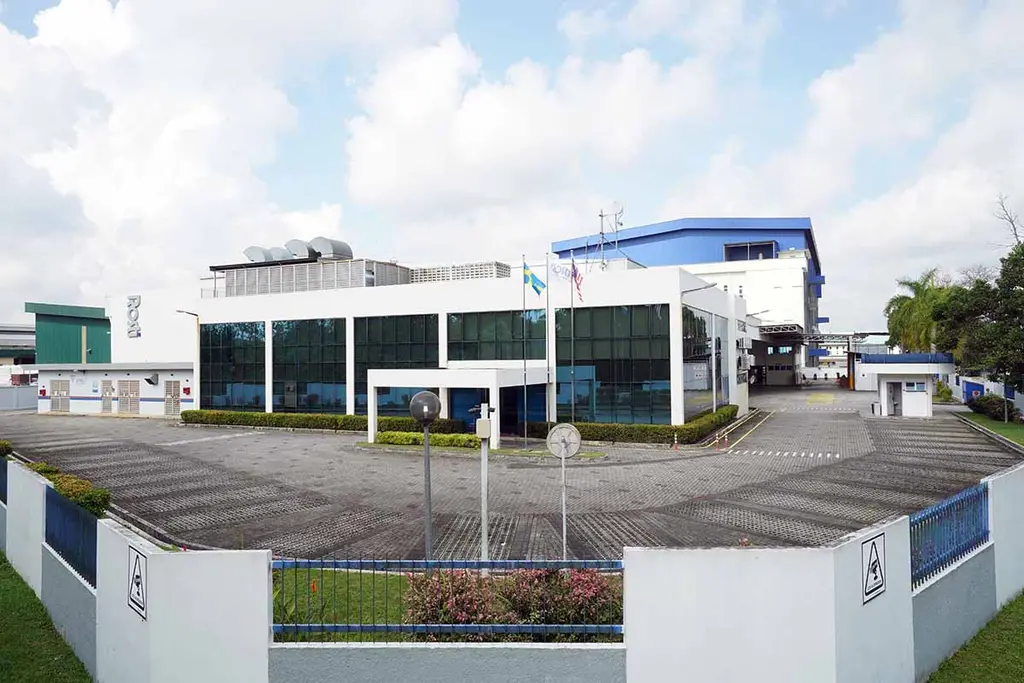
As manufacturers look to strengthen their presence across Asia, choosing the right production partner is critical. In this article, Maggie Xu and Joseph Woo discuss the capabilities, ongoing investment and strategic positioning of Rosti Malaysia and how the facility supports customers with plastic injection moulding and contract manufacturing solutions for the Asian market.
In your view, what makes our Malaysia sites stand out within our global network?
Rosti Malaysia stands out because it combines scalable manufacturing, precision injection moulding, and strong regional connectivity with global operational standards. Located in Senai, Johor, near Singapore and major ports, the site gives customers efficient access to Southeast Asia manufacturing and global export markets.
What also differentiates the operation is the ability to offer fully integrated manufacturing services – from plastic injection moulding, multi-k moulding, and complex assembly to engineering support, tooling management and supply chain management – all within one Rosti facility. Combined with Rosti’s global systems and engineering expertise, this allows customers to benefit from both local flexibility and international consistency.
Additional advantages include the growing integration between Singapore and Johor through the Johor-Singapore Special Economic Zone, which creates an attractive ecosystem for companies seeking contract manufacturing in Malaysia with strong commercial support from Singapore.
How would you describe the scale of our operations in Malaysia?
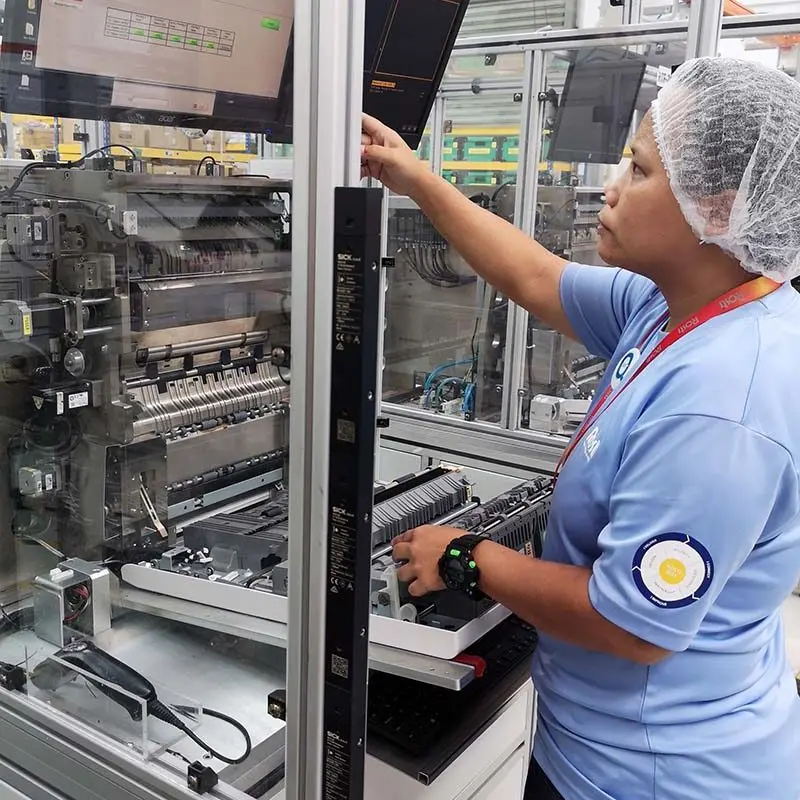
Rosti Malaysia operates approximately 5,000 m² of manufacturing space with around 30 injection moulding machines ranging from 50–800T clamping force. The facility supports a broad range of production volumes and technical requirements across multiple industries including industrial products, professional appliances and home automation.
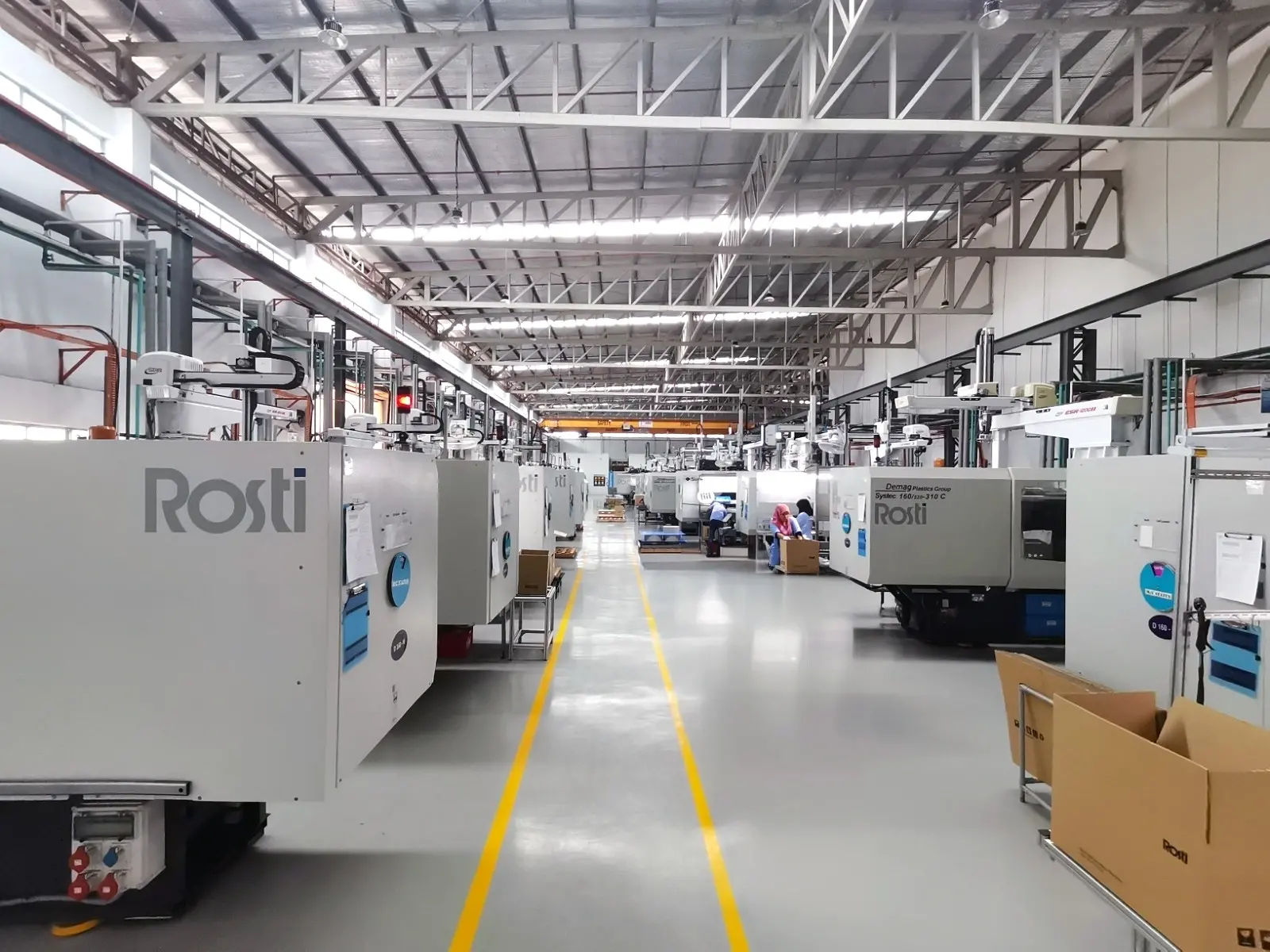
Importantly, the operation is designed not only for current customer demand, but also for future expansion. Integrated assembly operations, dedicated tooling maintenance rooms and operational support infrastructure help maximise uptime, efficiency and production continuity.
This gives customers confidence that Rosti Malaysia can support both ongoing programs and long-term growth through scalable manufacturing solutions.
The site also retains significant room for expansion, particularly within medical manufacturing, cleanroom manufacturing, and regulated healthcare production.
What are the core capabilities of our Malaysian sites that customers rely on most?
Customers particularly value Rosti Malaysia’s expertise in precision injection moulding, advanced manufacturing, and complex assembly. The site has developed strong capabilities in technically demanding moulding applications that require tight tolerances and high-quality consistency.
In addition, customers rely on the integrated support available across engineering, tooling management, assembly operations and global supply chain solutions.
Another key strength is the close collaboration with Rosti’s engineering and tooling teams in China, which provides customers with access to advanced design support, tooling development and manufacturing optimisation. This combination of manufacturing execution in Malaysia and engineering support across Asia allows customers to achieve both high quality and cost efficiency.
The business is also expanding into advanced applications, including medical device manufacturing and high-precision components, supporting future opportunities in healthcare and regulated industries.
How do these certifications give confidence to customers?
Our certifications demonstrate that Rosti Malaysia operates according to internationally recognized standards for safety, quality, environmental responsibility and compliance. The site holds ISO 9001, ISO 14001, ISO 45001, UL certification, and ISO 13485 certification for medical manufacturing.
These certifications provide customers with assurance around consistent manufacturing processes, operational governance and compliance with global industry standards.
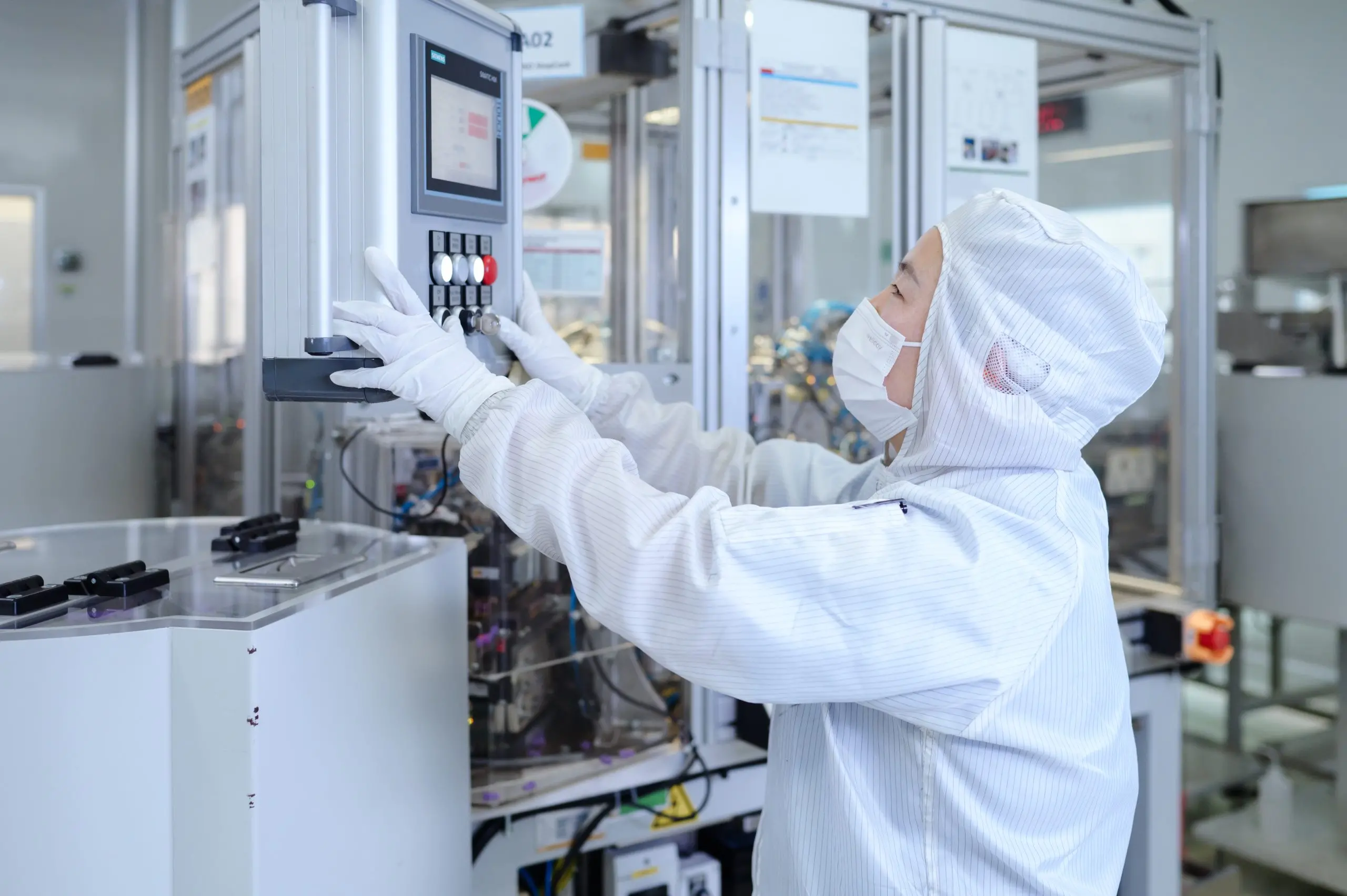
A particularly important milestone is ISO 13485 certification, which shows that the site is building the systems and controls required for medical device manufacturing and regulated healthcare applications. Combined with planned cleanroom capabilities, it demonstrates that Rosti Malaysia is prepared to support increasingly complex and highly regulated customer projects.
For customers, these certifications provide confidence that products are manufactured within controlled, globally recognized systems that prioritize quality, reliability, compliance and manufacturing excellence.
How does the current tariff environment in Malaysia benefit our customers?
The current environment is encouraging many companies to diversify manufacturing operations across Southeast Asia as part of broader supply chain resilience strategies. Malaysia provides customers with an attractive alternative manufacturing location while maintaining access to strong infrastructure, skilled labour and competitive operational costs.
Because customers can transition programs within the same Rosti global network, they are able to reduce manufacturing risk without disrupting operational consistency.
This positions Rosti Malaysia as a strong partner for businesses seeking China Plus One manufacturing strategies and greater supply chain flexibility.
What advantages does this create compared to other manufacturing locations?
One major advantage is that customers do not need to change suppliers in order to diversify production. They can leverage the same Rosti systems, governance structures, quality standards and operational processes across multiple countries.
This creates a much smoother transition compared to moving between unrelated suppliers. Customers benefit from continuity in tooling management, reporting structures and manufacturing standards while gaining additional flexibility across their supply chain.
The close economic integration between Singapore and Johor through the Johor-Singapore Special Economic Zone also creates a highly attractive operating model. Companies can combine Singapore-based commercial and engineering activities with Malaysia manufacturing operations, capturing both cost competitiveness and commercial proximity to key decision-makers across the region.
How are customers leveraging this in their supply chain decisions?
Many customers are actively rebalancing production away from depending on single-site models and building more resilient multi-country manufacturing strategies.
Customers are using Rosti Malaysia as part of a broader de-risking approach, allowing them to diversify manufacturing capacity while maintaining continuity across quality systems and operations.
In practice, this means customers can move faster. Because tooling, engineering documentation and quality standards are already aligned across the Rosti network, the transition between sites or a split production model – can be executed in significantly less time than starting with a new supplier. This speed of execution is increasingly a competitive advantage in itself.
What role do you play in supporting regional or global customers?
Rosti Malaysia plays an important role within Rosti’s integrated global manufacturing network. The site supports both regional Southeast Asian customers and multinational programs that require manufacturing flexibility across multiple regions.
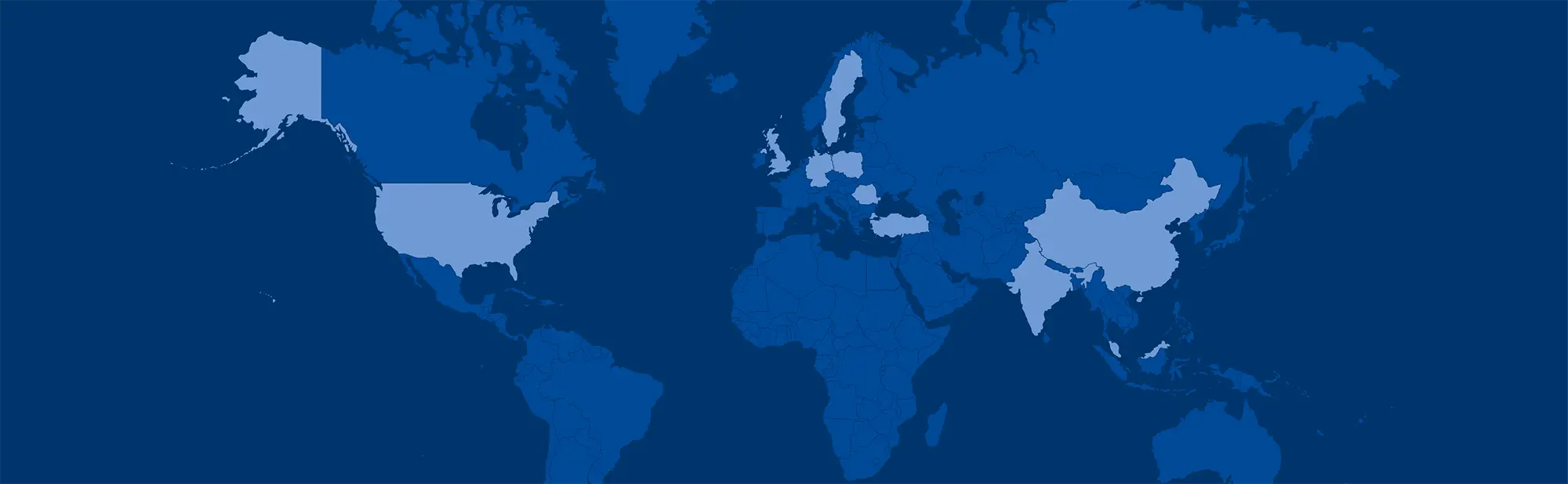
Because Rosti operates across China, Malaysia, India, Europe and North America, customers can transfer or scale production between locations while maintaining aligned quality systems, governance and operational standards.
This reduces the disruption typically associated with supplier changes and supports more resilient global supply chains.
Customers also benefit from the cultural alignment and common ways of working across the Rosti network, helping create smoother collaboration and more efficient project execution globally.
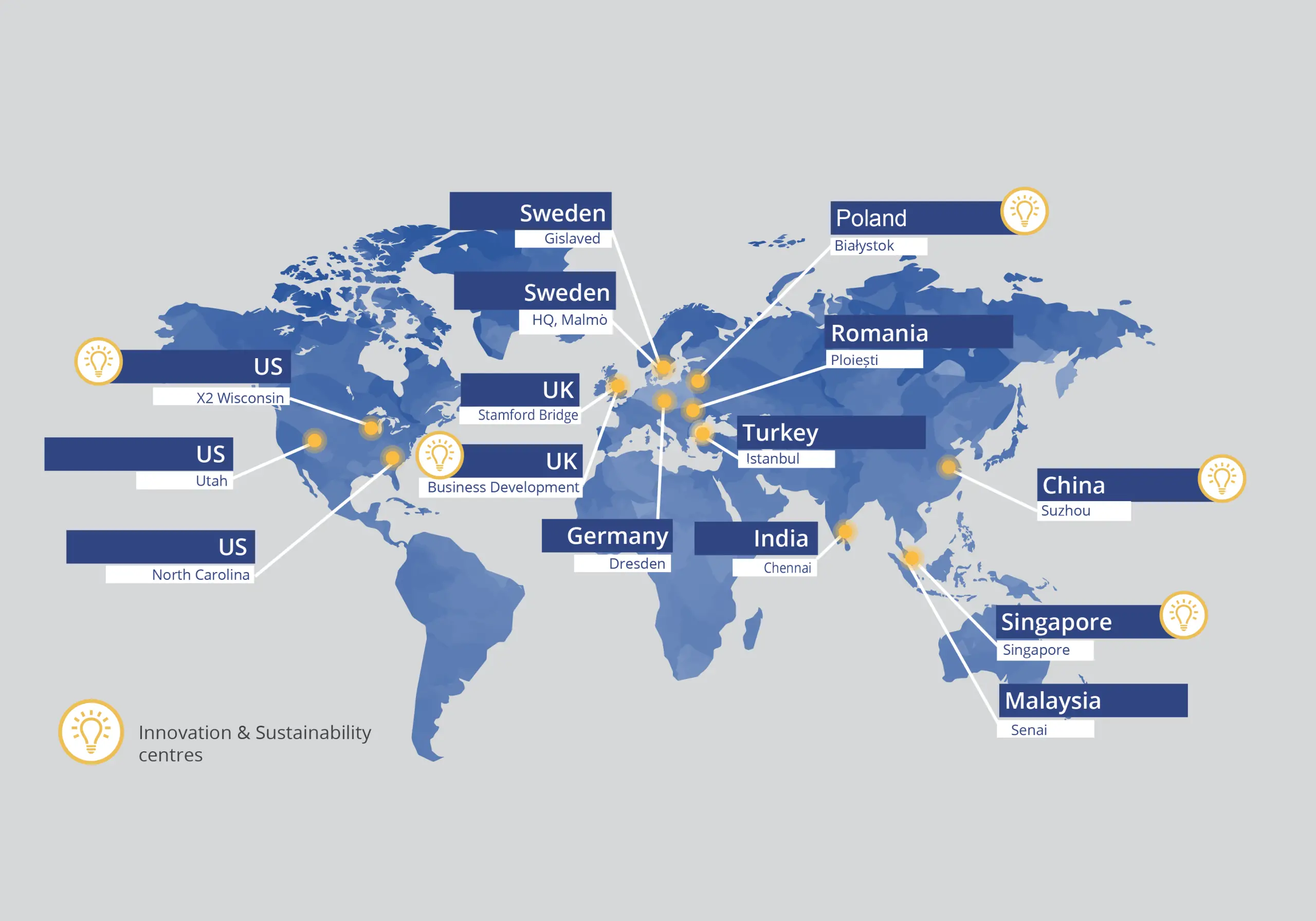
How does the proximity of our Innovation and Sustainability Centre in China support the Malaysia teams?
The close collaboration between Malaysia and Rosti’s Innovation and Sustainability Centre in China gives customers access to a much broader engineering and development capability base.
The China teams support industrial design, engineering development, tooling strategy, manufacturability analysis and product development services, while the Malaysia teams focus on program management, production readiness and operational execution.
This integrated model allows customers to accelerate new product introduction (NPI) while benefiting from strong technical support and efficient manufacturing execution.
Can you give an example of collaboration or innovation that benefits customers?
One recent example involved a customer developing a new product platform. The customer’s R&D team focused on product functionality and design intent, while Rosti’s China engineering teams carried out material flow simulations and design-for-manufacturing analysis to optimise the product before production.
At the same time, the Malaysia team coordinated the project timeline and managed the industrialization process to ensure smooth production readiness within the Malaysian facility.
This collaborative approach helped deliver faster development cycles, stronger manufacturability and more efficient production outcomes for the customer.
The collaboration between Malaysia manufacturing teams and China engineering resources also enables customers to benefit from competitive sourcing, faster tooling development and integrated engineering support across Asia.
If you had to summarise, what are the top reasons customers choose our Malaysian operations?
Customers choose Rosti Malaysia because it combines advanced manufacturing expertise, scalable production capacity and strong engineering support within a strategically important Southeast Asian location. The operation offers precision moulding, complex assembly, global quality standards and integrated support across Asia, all backed by Rosti’s international manufacturing network.
Equally important, customers gain greater supply chain resilience and flexibility while maintaining consistency across quality systems and operational processes. Together, these strengths help customers build more competitive, reliable and future-ready manufacturing operations.