High-Precision 2K Moulding for Battery-Powered DIY Equipment
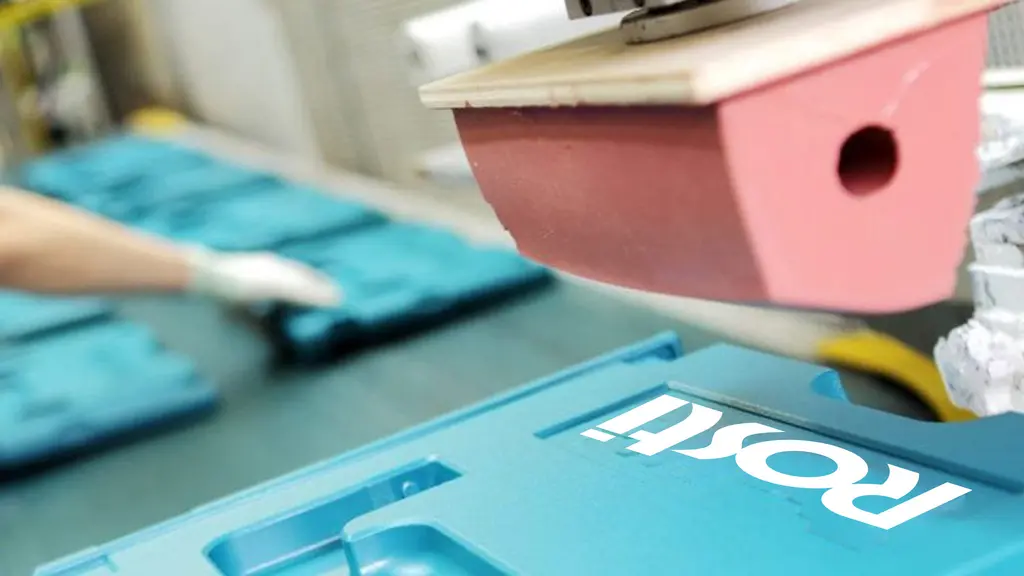
A leading consumer DIY and tooling brand partnered with us to support the development and manufacture of critical components for its next-generation garden equipment. At the core of the requirement was a clear priority: achieving consistently high-quality injection moulded parts capable of meeting strict tolerance requirements in terms of material performance, strength, and long-term durability.
Industry: Consumer DIY and garden equipment
Technologies: 2K injection moulding, insert moulding
Key benefits: Tight tolerance control, battery safety, durable soft touch components
Value delivered: Improved product performance, simplified assembly, optimised material use
These tolerances were fundamental to ensuring the parts could withstand rigorous, real-world use while also safely housing sensitive battery components. As the customer transitioned from mains-powered to battery-powered products, the integrity of the plastic components became even more critical, particularly in protecting internal battery systems and associated electronics.
Advanced 2K Moulding and Material Integration
To meet this challenge, we leveraged our advanced 2K multi-shot injection moulding capabilities, combining engineered resins with thermoplastic polyurethane (TPU) in a single moulding cycle. This approach enabled us to produce components that delivered both structural strength and a soft-touch external finish, enhancing the end-user experience without compromising performance.
A key element of the process was the integration of insert moulding, including the placement of brass components directly into the mould. This ensured precise positioning, improved mechanical strength, and removed the need for secondary assembly processes. The result was a robust, repeatable solution capable of maintaining tight tolerances across high-volume production.
Material selection played a central role in achieving the required performance. Working closely with the customer, we evaluated and proposed alternative engineered resins that could meet the mechanical demands while also improving manufacturability. This included optimising material flow, reducing variation, and ensuring consistent part quality – critical factors in maintaining tolerance control at scale.
Working closely with the customer, we developed tailored renewable and recycled material solutions for a number of the components, while introducing chemical foaming technology anddesign optimisations to reduce material usage without requiring tooling changes.
Optimisation, Sustainability and Assembly
Alongside performance, we also focused on sustainability and cost efficiency. Through design and material optimisation, we were able to reduce overall material volume, delivering both environmental benefits and cost savings. These changes supported the customer’s broader sustainability goals without impacting product integrity or performance.
As part of the wider solution, we supported the integration of battery protection features within the product design. The components were engineered to safely accommodate battery protection, helping to guard against overloading and overheating.
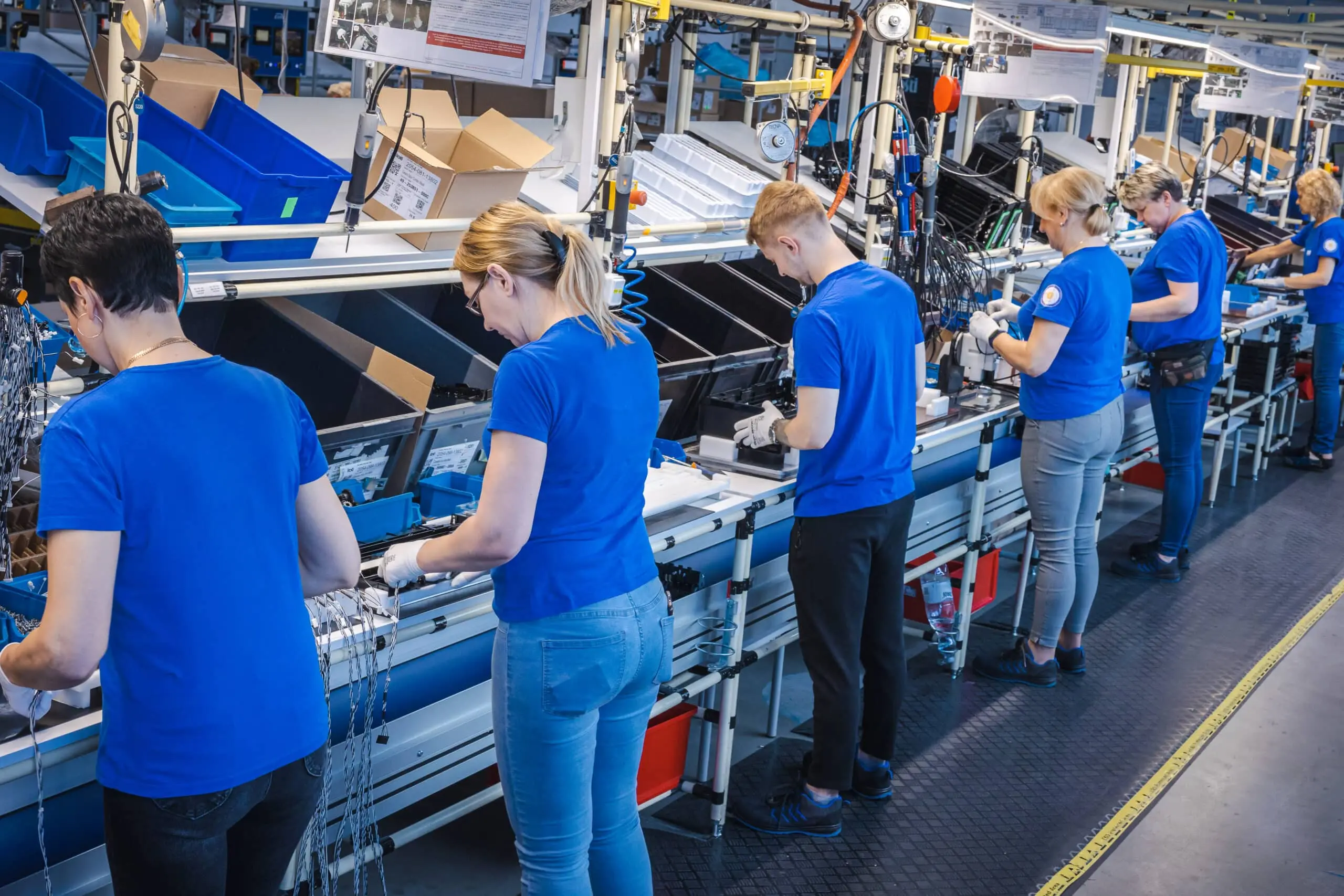
Our role extended beyond individual components to supplying a mix of parts and subassemblies, simplifying the customer’s supply chain and improving production efficiency. By managing multiple materials and processes within a single manufacturing environment, we ensured consistent quality and repeatability across every unit produced.
“Rosti’s ability to manage materials, tolerances and subassemblies in one environment was critical to meeting our performance and safety requirements.”
This project demonstrates how material expertise, moulding precision and process integration are essential to achieving tolerance driven performance in battery powered applications.
By focusing on strength, durability and safety requirements from the outset, Rosti delivered a manufacturing solution that supported product performance, user safety and long term reliability, while also contributing to improved efficiency and sustainability.
This approach delivered savings of up to 55 tonnes of polypropelene per 100,000 units, considerably reducing CO₂ emissions, improved product ergonomics and provided robust sustainability data to support ESG reporting.